Having spent countless hours exploring the Netherlands by bike and train over the past few years, I’m always excited when friends ask me about visiting this compact European gem. The question I hear most often is: “Isn’t it just Amsterdam?” While the capital is wonderful, there’s so much more to discover in this small but rich country.
“The Netherlands is like a perfectly composed painting,” says Lisa van der Berg, a local guide I met in Rotterdam. “Each city and region adds its own unique colors to the canvas – from historic windmills and endless tulip fields to modern architecture and cozy canal-side cafes.”
While you could spend months exploring every corner of the country, most visitors have limited time. So I’ve put together this list of 15 places that showcase the true character of the Netherlands, perfect for planning your first Dutch adventure.
- Best tourist destination: Amsterdam Canal Ring
- Underrated hidden gem: Giethoorn
- Best for families: Efteling Theme Park
- Best for couples: Keukenhof Gardens
- Best for solo travelers: Rotterdam
- Best for history buffs: Zaanse Schans
Amsterdam, Netherlands

Ever wondered what it’s like to bike alongside picturesque canals lined with historic townhouses? That’s daily life in Amsterdam, where narrow cobblestone streets wind past 17th-century architecture and over arched bridges. The Dutch capital is famous for its laid-back culture, with locals and tourists alike exploring the city’s many museums, including the Van Gogh Museum and Anne Frank House. You can hop on a canal boat tour, wander through the floating flower market, or join the locals at a cozy brown café. Just outside the city center, you’ll find the peaceful Vondelpark, where people picnic on sunny days, and the up-and-coming Amsterdam Noord district, home to innovative restaurants and art spaces housed in former industrial buildings.
Rotterdam, Netherlands

Rotterdam stands out as the Netherlands’ bold answer to modern city life. Unlike the historic charm of Amsterdam, this port city rose from World War II destruction to become an architectural playground where innovative buildings stretch toward the sky. From the tilted yellow Cube Houses to the sweeping arch of the Erasmus Bridge, Rotterdam shows what happens when you let creativity run wild. The city pulses with energy from its massive harbor – Europe’s largest – while the Market Hall, with its massive food court housed under an artistic curved ceiling, shows off the Dutch talent for mixing function with inventive design. It’s not trying to be pretty in the traditional sense – Rotterdam is proud of its edgy, experimental spirit that keeps pushing boundaries.
The Hague, Netherlands
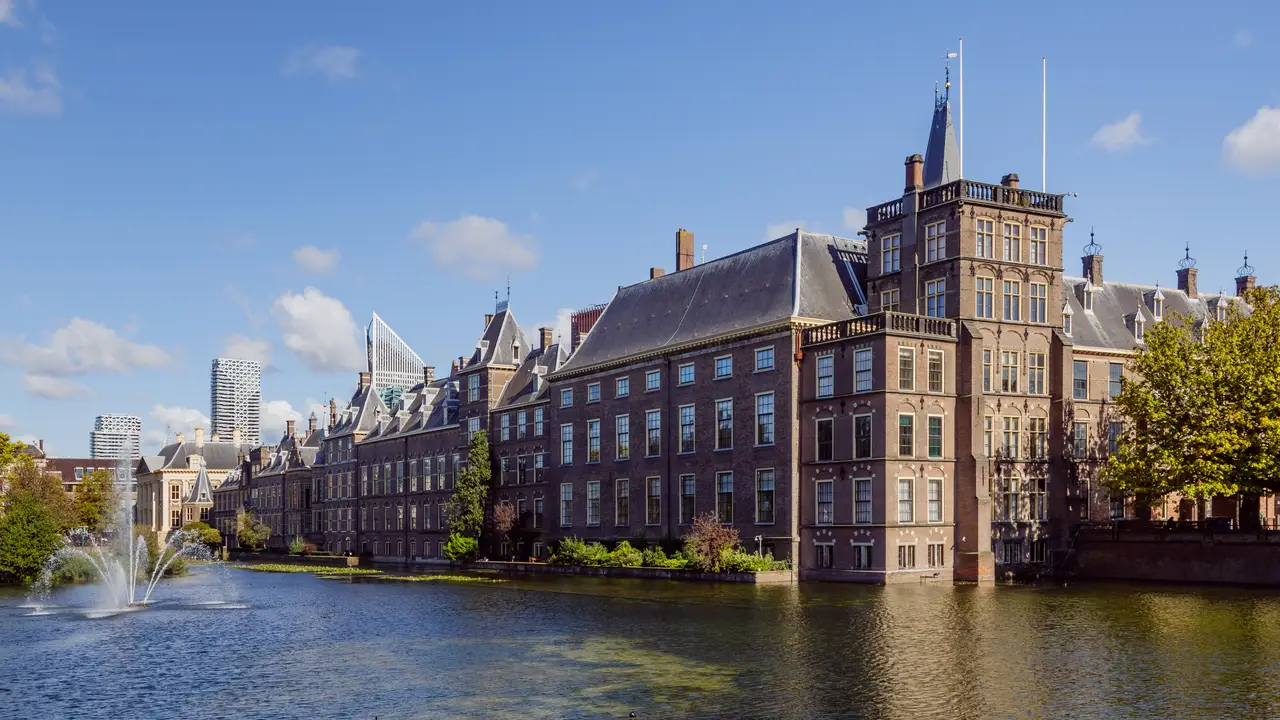
Want to experience both Dutch politics and fascinating history in one place? Head to The Hague, the seat of the Netherlands’ government and home to the Royal Family. Located on the western coast, this city houses important institutions like the International Court of Justice and the Peace Palace, while also offering beautiful spots like the Scheveningen beach and the miniature city of Madurodam. You’ll find yourself walking through streets lined with grand government buildings and embassies, mixed with cozy cafes and art museums that showcase Dutch culture at its finest.
This is interesting:
The Hague might be the Netherlands’ seat of government, but it’s actually not the capital city – that title belongs to Amsterdam. Beyond politics, this Dutch city is a beach lover’s paradise with over 11 kilometers of sandy coastline along the North Sea, making it the perfect spot to catch some waves or relax at one of the many beachfront cafes.
Utrecht, Netherlands

Many travelers head to Utrecht for its iconic Dom Tower, the tallest church tower in the Netherlands, but this charming city offers much more than just historic architecture. The city’s unique split-level canals feature water-level walkways and terraces where locals and visitors gather to enjoy coffee or wine by the water. During summer months, the Utrecht Early Music Festival fills medieval churches with classical performances, but you’ll find plenty to explore year-round as you wander through the city’s winding cobblestone streets and bustling university quarter. The city’s two-tier canal system, with its distinctive wharf cellars now housing cafes and shops, sets Utrecht apart from other Dutch destinations.
Delft, Netherlands

Located between Rotterdam and The Hague, Delft is a charming Dutch city I first explored during my travels in 2018. Known as the birthplace of painter Johannes Vermeer and the iconic blue-and-white Delft pottery, this canal-lined city feels like a miniature version of Amsterdam without the crowds. The historic center revolves around the Oude Kerk (Old Church) and Nieuwe Kerk (New Church), where the Dutch royal family tomb resides. Walking along the tree-lined canals, you’ll find local artisans still crafting the famous Delftware in traditional workshops, while students from the renowned Technical University bring youthful energy to the medieval streets. The Markt square, with its Thursday market tradition dating back to 1246, offers a perfect spot to sample Dutch cheese and watch daily life unfold beneath the Renaissance-style City Hall.
Haarlem, Netherlands
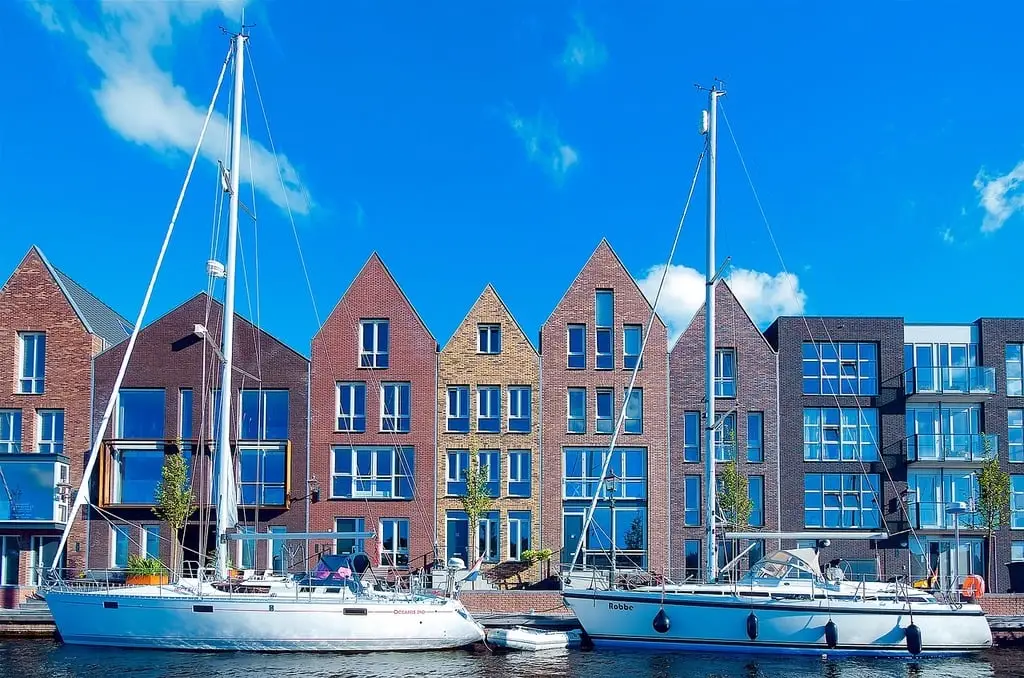
Just 20 minutes from Amsterdam, Haarlem offers a charming escape from the big city crowds. This medieval city center feels like a mini-Amsterdam, complete with cobblestone streets, historic churches, and winding canals – but with a more relaxed, local vibe. The heart of the action is the Grote Markt square, where you’ll find the impressive Gothic St. Bavo Church and plenty of cafes perfect for people-watching.
Kinderdijk, Netherlands

Most visitors come to Kinderdijk for its collection of 18th-century windmills, which stand as one of the best examples of Dutch water management from the Golden Age. This UNESCO World Heritage site showcases how the Netherlands has fought to keep water at bay for centuries, with its network of windmills, dikes, and pumping stations working together to prevent flooding in this low-lying region. While many tourists explore the area by foot along the main pathway, you can also rent a bike or take a boat tour through the canals to see the windmills from different angles. The site is particularly photogenic in the early morning when mist often hangs over the water, but you’ll find steady crowds of visitors admiring these engineering marvels throughout the day.
Giethoorn, Netherlands

If you’ve ever dreamed of visiting a town without roads, Giethoorn is your answer. This charming Dutch village, often called the “Venice of the Netherlands,” replaces typical streets with a network of canals and wooden bridges connecting its thatched-roof homes. Life here moves at the pace of the water, with locals and visitors alike getting around by boat or on foot along the narrow footpaths. It’s not just a tourist attraction – about 2,600 people actually live here, maintaining their traditional way of life while welcoming curious travelers who come to experience their unique water-based community. Whether you’re gliding through the canals in a whisper-quiet electric boat or stopping at a waterside café, Giethoorn offers a glimpse into a way of life that seems almost too idyllic to be real.
Zaanse Schans, Netherlands

Ever wanted to step back in time to the Netherlands’ golden age? Just a quick trip from Amsterdam, Zaanse Schans feels like a living museum where wooden windmills still turn against the sky and the scent of cocoa floats through the air. This historic neighborhood showcases traditional Dutch life from the 18th and 19th centuries, complete with wooden houses, working windmills, and artisan workshops where you can watch cheese-making and clog-carving in action. The local chocolate and cookie factories add a sweet touch to your visit, while the green wooden houses along the Zaan River make you feel like you’re walking through a Dutch master’s painting. You can even peek inside the windmills to see how they grind spices, produce oil, and saw wood – just like they did centuries ago.
Keukenhof Gardens, Netherlands

Step into a sea of tulips at Keukenhof Gardens, the largest flower garden in the world. Every spring, over 7 million bulbs burst into bloom across 79 acres of meticulously planned gardens and walking paths. You can spend hours wandering through themed gardens filled with tulips, daffodils, and hyacinths in every color imaginable. For the best photos, take a boat ride through the canals that wind through the gardens, or climb the historic windmill for a bird’s eye view of the rainbow-colored flower beds. Make sure to visit between late March and mid-May when the gardens are open – it’s a Dutch tradition that’s been delighting visitors for over 70 years.
Bet You Didn’t Know:
Did you know that Keukenhof Gardens is nicknamed “The Garden of Europe” and puts on the world’s largest flower show each spring with over 7 million tulips, daffodils, and other blooms planted across 79 acres? The garden’s history dates back to the 15th century when it served as a kitchen herb garden for a countess’s castle – hence the name “Keukenhof” which means “kitchen garden” in Dutch.
Maastricht, Netherlands
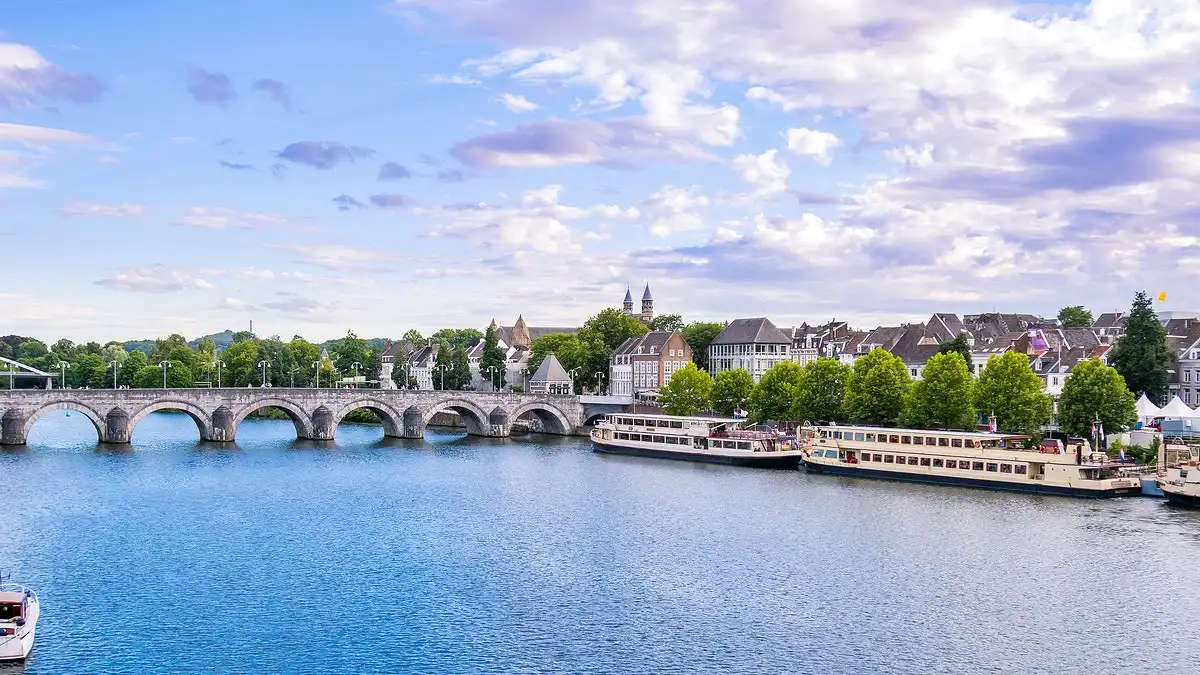
Ever walked through a city where Roman ruins sit next to modern cafes? That’s everyday life in Maastricht, the oldest city in the Netherlands, where cobblestone streets tell stories from 2,000 years ago. Tucked away in the southern tip of the country, this university town brings together Dutch, Belgian, and German influences in its architecture and food scene. You can spend your morning exploring the massive bookstore inside a 13th-century Dominican church, then hop across the Meuse River to discover hidden art galleries in the trendy Wyck district. The city’s underground caves, carved out over centuries of limestone mining, now host guided tours where you can see ancient fossils and wartime artifacts – including paintings that were hidden from the Nazis during World War II.
Gouda, Netherlands

Step into a cheese lover’s paradise in Gouda, where the famous orange wheels have been traded since 1395. Visit the historic cheese market in front of the City Hall, where farmers and traders still gather on summer Thursdays to buy and sell using traditional handshakes. You can learn all about the cheese-making process at the Cheese and Crafts Museum, housed in a former weighing house from 1668. For a sweet treat after your cheese tasting, stop by one of the local bakeries for a syrup waffle (stroopwafel), another delicacy that originated in this charming Dutch city.
This is interesting:
This charming Dutch city is more than just its namesake cheese – it’s home to Europe’s tallest church tower built before 1600, the Sint-Janskerk, which reaches an impressive height of 123 meters. Fun fact: while most people pronounce it “GOO-duh,” locals actually say “HOW-da,” so now you can sound like an insider when you visit this historic cheese capital.
Leiden, Netherlands

If you want to explore the Netherlands beyond Amsterdam, head to charming Leiden. Home to the country’s oldest university (founded in 1575), this historic city offers picturesque canals lined with windmills and traditional Dutch architecture. You’ll find two main museums here – the Museum of Antiquities and the Museum of Natural History – plus Rembrandt’s early stomping grounds, as the famous painter was born and began his artistic journey in these very streets.
Groningen, Netherlands

I first discovered Groningen while backpacking through the Netherlands in 2018. The northernmost major city in the country, Groningen sits like a medieval jewel amid the flat Dutch countryside. Its historic center revolves around the Grote Markt square, where the iconic Martinitoren bell tower has watched over the city since the 13th century. Students make up nearly a quarter of the population here, giving the narrow streets and canal-side cafes an energetic, youthful atmosphere. The compact city center is easy to explore by bike, leading you past ancient merchant houses, hidden courtyards, and the peaceful Noorderplantsoen park where locals gather for picnics and outdoor concerts during summer evenings.

