Pasta night used to stress me out. Don’t get me wrong, I love a good bowl of spaghetti, but between soccer practice and homework, finding time to make a meal that didn’t come from a box felt impossible. Then I discovered spaghetti squash and everything changed.
Now I can have my pasta and feel good about it too. The kids don’t even miss the regular noodles when I toss everything with enough garlic and red pepper flakes. Plus, one squash feeds our whole family with leftovers for lunch the next day.
Want something mild for picky eaters? Just go easy on the spice. Craving some heat after a long day? Load it up with crushed red pepper. This recipe works either way, and cleanup is so much easier than boiling a huge pot of water.
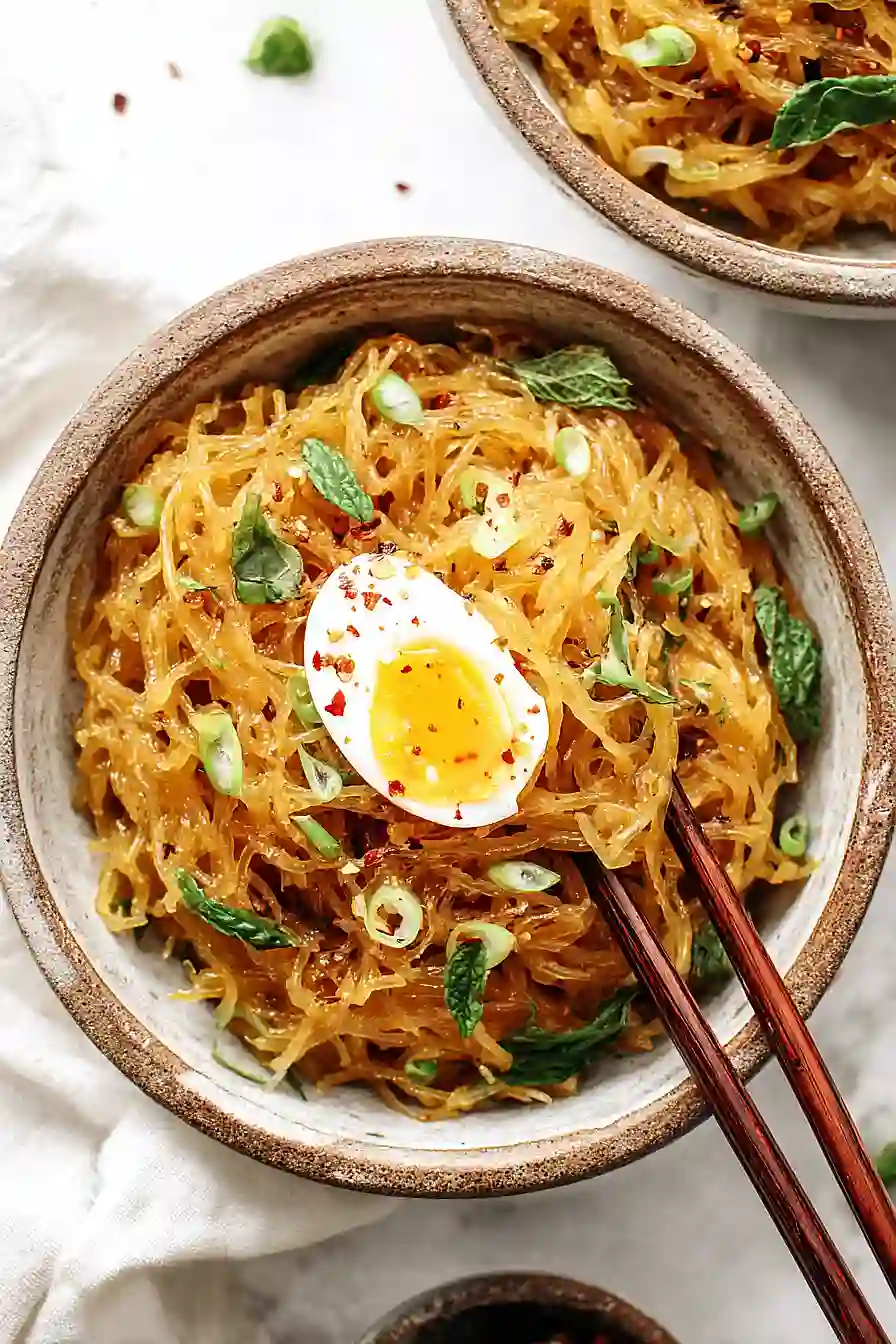
Why You’ll Love This Spicy Spaghetti Squash Noodles
- Low-carb and healthy – Spaghetti squash makes a perfect noodle substitute that’s packed with nutrients and way lighter than regular pasta, so you can enjoy a satisfying meal without the carb overload.
- Quick weeknight dinner – Ready in just 25-40 minutes, this recipe is perfect when you want something flavorful and filling without spending hours in the kitchen.
- Protein-packed – The tuna (or salmon or chicken) gives you a solid dose of protein to keep you full and satisfied, making this a complete meal in one bowl.
- Creamy coconut sauce – The rich coconut milk creates a luscious, dairy-free sauce that coats every strand of squash noodle perfectly, and the spices give it just the right kick.
- Simple pantry ingredients – Most of these ingredients are probably already sitting in your pantry or fridge, making this an easy go-to recipe when you need dinner fast.
What Kind of Spaghetti Squash Should I Use?
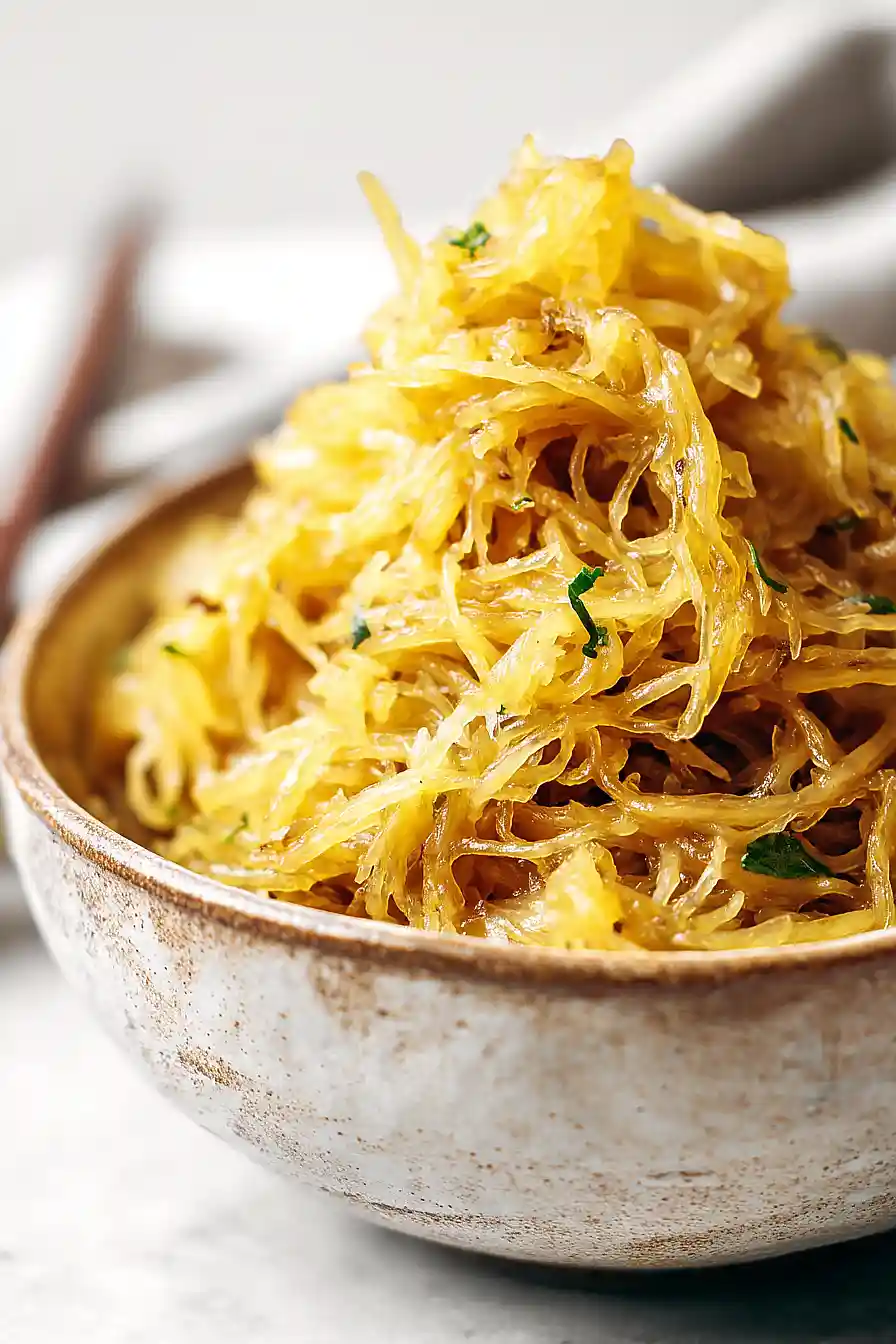
When picking out a spaghetti squash at the store, look for one that feels heavy for its size and has a hard, smooth skin without any soft spots or cracks. A medium-sized squash (around 2-3 pounds) is perfect for this recipe and will give you plenty of noodle-like strands. The color should be a pale yellow or cream – avoid any that are still green as they’re not fully ripe yet. You can store a whole spaghetti squash on your counter for several weeks, so don’t worry if you need to buy it ahead of time.
Options for Substitutions
This recipe is pretty forgiving when it comes to swaps, so here are some easy substitutions you can make:
- Arrowroot flour: If you don’t have arrowroot flour, cornstarch works just as well for thickening. Use the same amount and mix it with a little cold water before adding to prevent clumps.
- Full fat coconut milk: You can use lite coconut milk, but you’ll need to add an extra tablespoon or two of arrowroot to get that creamy thickness. Heavy cream or cashew cream also work if you’re not avoiding dairy.
- Spaghetti squash: While spaghetti squash gives the best noodle-like texture, you can use spiralized zucchini, shirataki noodles, or even regular pasta if you’re not going low-carb.
- Poultry seasoning: No poultry seasoning? Mix together equal parts dried sage, thyme, and rosemary with a pinch of black pepper to make your own blend.
- Canned tuna: Feel free to swap this with canned salmon, cooked chicken breast, or even cooked shrimp. Just make sure to drain any canned fish well before adding.
- Red pepper flakes: Adjust the heat to your liking – use less for milder flavor, or try cayenne pepper or hot sauce instead. You can always add more, but you can’t take it back!
Watch Out for These Mistakes While Cooking
The biggest mistake when making spaghetti squash noodles is not properly draining the cooked squash, which can water down your sauce and create a soggy dish – after scraping out the strands, let them sit in a colander for 10-15 minutes and gently press with paper towels to remove excess moisture.
Another common error is adding the arrowroot flour directly to the hot coconut milk, which causes clumping – instead, whisk it with a few tablespoons of cold coconut milk first to create a slurry before stirring it into the pan.
Don’t rush the cooking process by cranking up the heat, as coconut milk can separate and curdle when heated too quickly, so keep it at medium-low heat and stir frequently.
Finally, taste your sauce before adding the spaghetti squash since the salt and spice levels can vary depending on your brands – you can always add more red pepper flakes or salt, but you can’t take them out once they’re mixed in.
What to Serve With Spicy Spaghetti Squash Noodles?
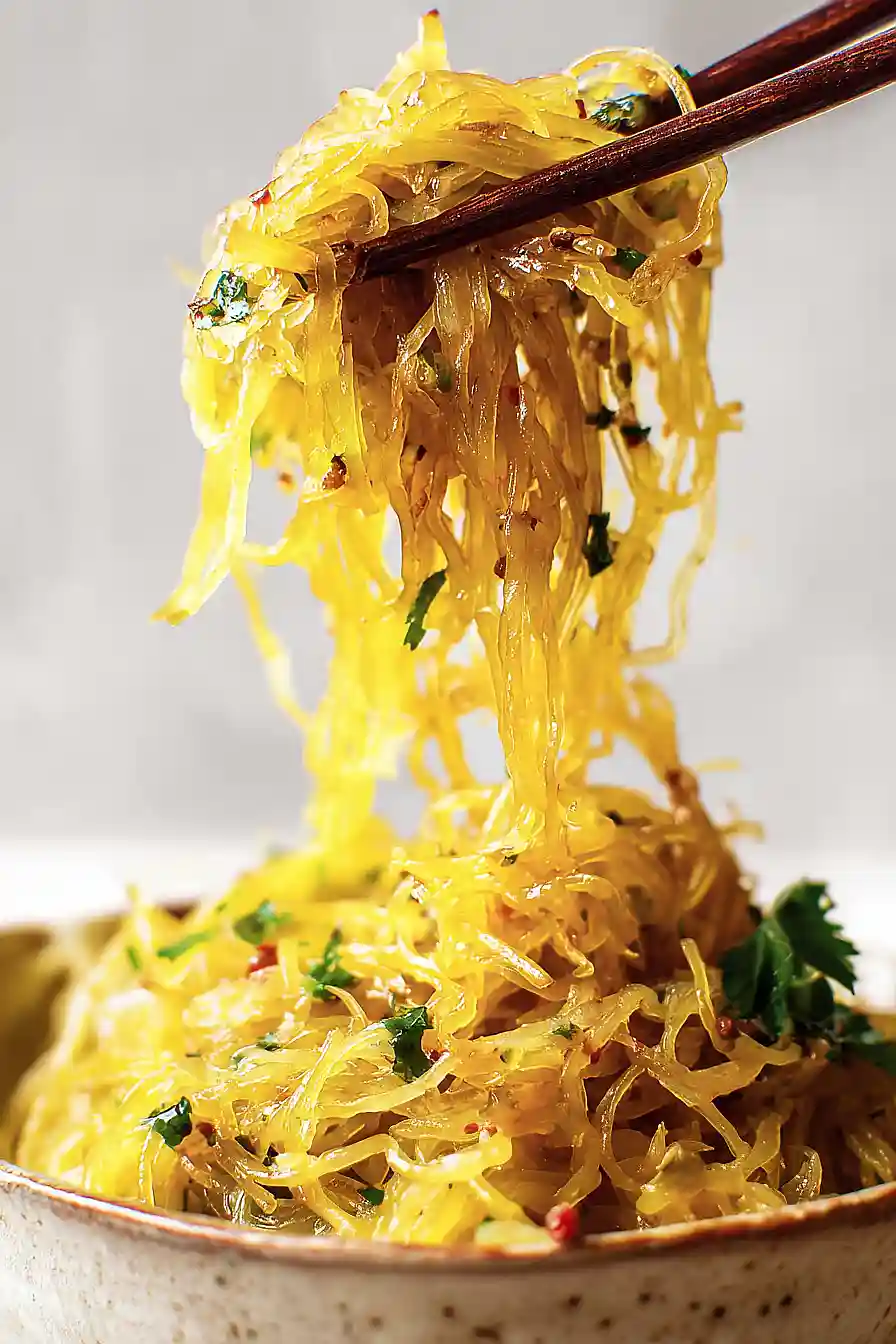
This creamy, spicy dish is pretty filling on its own, but I love serving it with a simple side salad to balance out all that rich coconut sauce. A basic mixed greens salad with cucumber and cherry tomatoes works perfectly, or you could go with a crisp Caesar salad if you want something with a bit more flavor. Since the dish already has protein from the tuna, you don’t need much else, but some crusty bread or garlic bread is great for soaking up any leftover sauce. If you want to add more veggies to the meal, roasted broccoli or steamed green beans pair really well with the spicy, creamy flavors.
Storage Instructions
Refrigerate: This spicy spaghetti squash dish keeps really well in the fridge for up to 4 days in an airtight container. The flavors actually get better after a day or two, so it’s perfect for meal prep. I like to portion it out into individual containers for easy grab-and-go lunches throughout the week.
Freeze: You can freeze this for up to 3 months, though the spaghetti squash might release a bit more water when thawed. I recommend freezing it in portion-sized containers or freezer bags laid flat. Just keep in mind that the texture will be a little softer after freezing, but the taste is still great.
Warm Up: Heat it up gently on the stovetop over medium-low heat, stirring occasionally until warmed through. You can also microwave it, but I like to add a splash of coconut milk or water if the sauce seems too thick after storing. Sometimes the coconut milk separates a bit, but just stir it back together as it heats.
| Preparation Time | 10-15 minutes |
| Cooking Time | 15-25 minutes |
| Total Time | 25-40 minutes |
| Level of Difficulty | Easy |
Estimated Nutrition
Estimated nutrition for the whole recipe (without optional ingredients):
- Calories: 1000-1200
- Protein: 45-55 g
- Fat: 80-90 g
- Carbohydrates: 55-65 g
Ingredients
For the sauce:
- 2 cans (total 27 oz) full-fat coconut milk
- 2 to 4 tbsp arrowroot starch
- 2 tsp poultry spice blend (such as frontier brand)
- 2 tsp minced garlic
- 2 tsp sea salt
- 1/2 tsp crushed red pepper flakes
- 1 tsp paprika
- 1 small white onion, chopped into 1/4 inch pieces
To finish:
- 1 medium spaghetti squash, cooked
- 6 oz canned tuna (or substitute with salmon or chicken)
Step 1: Cook the Spaghetti Squash
- 1 medium spaghetti squash, cooked
Preheat your oven to 400°F (200°C).
Carefully cut the spaghetti squash in half lengthwise and scrape out the seeds.
Place the squash halves cut side down on a baking sheet lined with parchment paper.
Roast for about 40-45 minutes, or until the flesh is easily pierced with a fork.
Once cooled slightly, use a fork to shred the flesh into spaghetti-like strands.
I like to roast mine cut-side down to encourage even cooking and some caramelization.
Step 2: Sauté the Onions
- 1 small white onion, chopped into 1/4 inch pieces
- olive oil (for sautéing)
Heat a drizzle of olive oil in a fry pan over medium heat.
Add the chopped onions and sauté for a few minutes, stirring occasionally, until the onions turn golden and fragrant.
This helps develop a sweeter, mellow onion flavor as a base for the sauce.
Step 3: Prepare the Creamy Coconut Sauce
- 2 cans (total 27 oz) full-fat coconut milk
- 2 tsp poultry spice blend (such as Frontier brand)
- 2 tsp minced garlic
- 2 tsp sea salt
- 1/2 tsp crushed red pepper flakes
- 1 tsp paprika
- sautéed onions from Step 2
To the sautéed onions, add the full-fat coconut milk, poultry spice blend, minced garlic, sea salt, crushed red pepper flakes, and paprika.
Stir everything well to combine, then increase the heat and bring the mixture to a gentle boil.
Reduce the heat to a simmer and cook for 3-5 minutes, stirring occasionally.
This allows the flavors to meld and the sauce to heat through.
Step 4: Thicken the Sauce
- 2 to 4 tbsp arrowroot starch
- coconut sauce from Step 3
Sprinkle the arrowroot starch (start with 2 tablespoons and add more if needed) evenly over the coconut sauce.
Immediately whisk the mixture vigorously to avoid clumps.
Continue whisking and cook for 1-2 minutes until the sauce thickens to your liking.
Remove from heat promptly to prevent over-thickening.
I prefer to add the arrowroot gradually, as the sauce can thicken quite quickly.
Step 5: Combine Squash, Tuna, and Sauce
- cooked spaghetti squash from Step 1
- 6 oz canned tuna (or substitute with salmon or chicken)
- thickened coconut sauce from Step 4
Add the cooked spaghetti squash strands and canned tuna to the thickened coconut sauce.
Gently toss everything together in the pan until well combined and heated through.
Serve immediately!
For extra flavor, sometimes I like to add a dash of fresh lemon juice or a sprinkle of fresh herbs right before serving.
Tasty Spicy Spaghetti Squash Noodles
Ingredients
For the sauce:
- 2 cans (total 27 oz) full-fat coconut milk
- 2 to 4 tbsp arrowroot starch
- 2 tsp poultry spice blend (such as Frontier brand)
- 2 tsp minced garlic
- 2 tsp sea salt
- 1/2 tsp crushed red pepper flakes
- 1 tsp paprika
- 1 small white onion, chopped into 1/4 inch pieces
To finish:
- 1 medium spaghetti squash, cooked
- 6 oz canned tuna (or substitute with salmon or chicken)
Instructions
- Preheat your oven to 400°F (200°C). Carefully cut the spaghetti squash in half lengthwise and scrape out the seeds. Place the squash halves cut side down on a baking sheet lined with parchment paper. Roast for about 40-45 minutes, or until the flesh is easily pierced with a fork. Once cooled slightly, use a fork to shred the flesh into spaghetti-like strands. I like to roast mine cut-side down to encourage even cooking and some caramelization.
- Heat a drizzle of olive oil in a fry pan over medium heat. Add the chopped onions and sauté for a few minutes, stirring occasionally, until the onions turn golden and fragrant. This helps develop a sweeter, mellow onion flavor as a base for the sauce.
- To the sautéed onions, add the full-fat coconut milk, poultry spice blend, minced garlic, sea salt, crushed red pepper flakes, and paprika. Stir everything well to combine, then increase the heat and bring the mixture to a gentle boil. Reduce the heat to a simmer and cook for 3-5 minutes, stirring occasionally. This allows the flavors to meld and the sauce to heat through.
- Sprinkle the arrowroot starch (start with 2 tablespoons and add more if needed) evenly over the coconut sauce. Immediately whisk the mixture vigorously to avoid clumps. Continue whisking and cook for 1-2 minutes until the sauce thickens to your liking. Remove from heat promptly to prevent over-thickening. I prefer to add the arrowroot gradually, as the sauce can thicken quite quickly.
- Add the cooked spaghetti squash strands and canned tuna to the thickened coconut sauce. Gently toss everything together in the pan until well combined and heated through. Serve immediately! For extra flavor, sometimes I like to add a dash of fresh lemon juice or a sprinkle of fresh herbs right before serving.