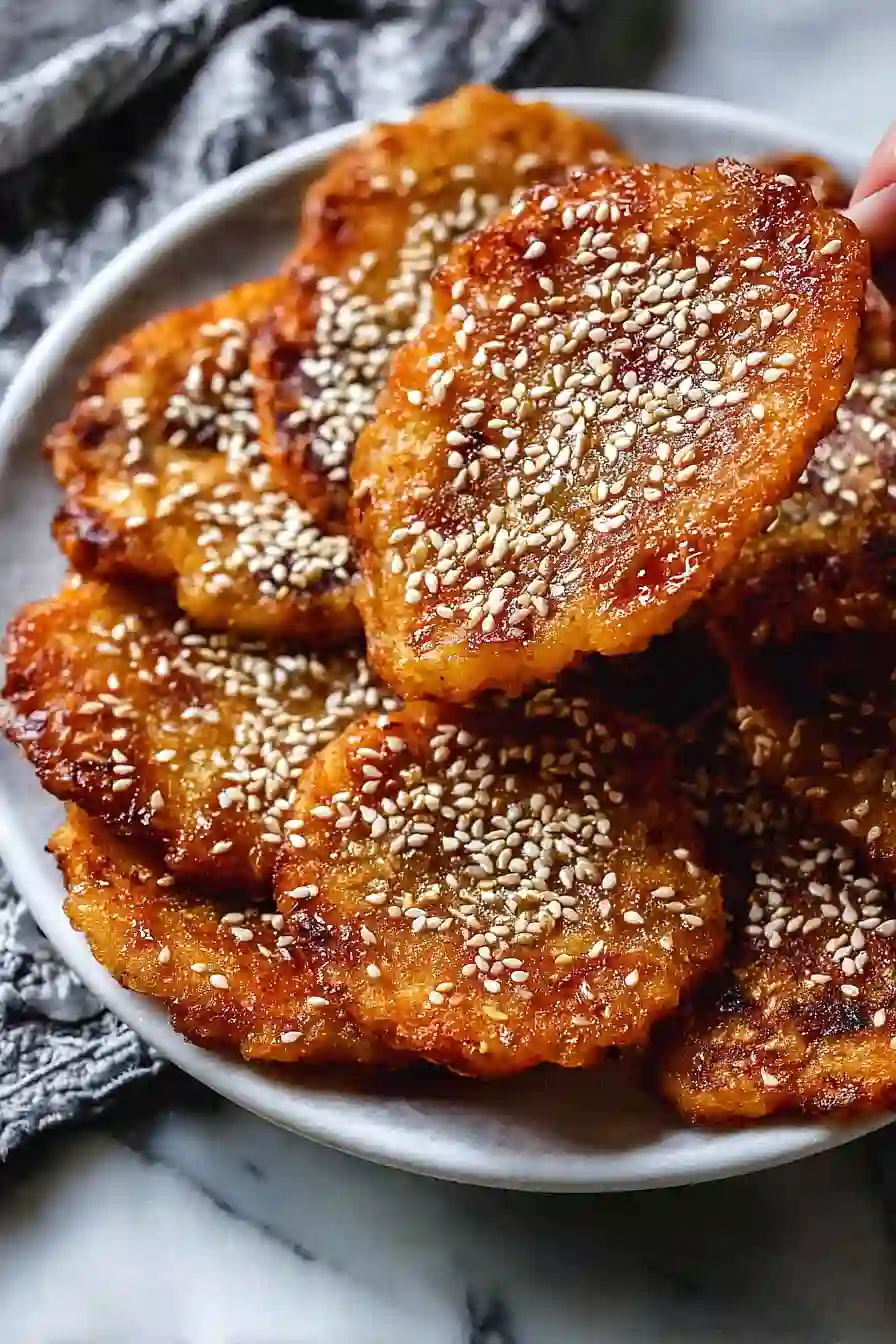
I used to think pancakes were just pancakes until I tried these Chinese pumpkin ones at a friend’s house. They’re nothing like the fluffy American stack I grew up with—these are more like thin, crispy crepes with little pockets of sweet pumpkin throughout.
The trick is getting the batter thin enough so they cook up golden and slightly chewy, not thick and cake-like. My kids were skeptical at first, but now they ask for “the orange pancakes” every weekend. They’re simple to make once you get the hang of it.
Why You’ll Love These Chinese Pumpkin Pancakes
- Naturally gluten-free – Made with glutinous rice flour instead of regular flour, these pancakes are perfect for anyone avoiding gluten without sacrificing taste or texture.
- Simple ingredients – You only need a few basic ingredients to make these golden pancakes, and most of them are pantry staples you can easily find at Asian grocery stores.
- Customizable sweetness – The red bean paste filling is optional, so you can make them plain for a lighter snack or add the sweet filling for a more indulgent treat.
- Crispy outside, chewy inside – The glutinous rice flour creates the perfect texture contrast – crispy and golden on the outside with a satisfying chewy bite inside.
- Great for fall – These pancakes make excellent use of pumpkin season and bring warm, comforting flavors to your kitchen when the weather gets cooler.
What Kind of Pumpkin Should I Use?
You have a few good options when it comes to choosing your pumpkin for these pancakes. Canned pumpkin puree is definitely the easiest route and works perfectly fine – just make sure you’re buying pure pumpkin puree, not pumpkin pie filling which has spices already added. If you want to go the fresh route, sugar pumpkins or pie pumpkins are your best bet since they’re naturally sweeter and less watery than carving pumpkins. Other winter squashes like butternut or kabocha squash also work great and will give you a similar sweet, creamy texture. When using fresh pumpkin or squash, you’ll want to roast it first until it’s tender, then scoop out the flesh and mash it smooth before measuring.

Options for Substitutions
These pancakes are pretty forgiving when it comes to swaps, so here’s what you can try:
- Pumpkin puree: If you can’t find canned pumpkin, try sweet potato puree, butternut squash, or kabocha squash. Just roast and mash them until smooth – you’ll get a similar texture and sweetness.
- Mochiko or glutinous rice flour: This one’s pretty important for the chewy texture that makes these pancakes special. Regular flour won’t give you the same result, so try to stick with glutinous rice flour if possible. You can find it at most Asian grocery stores.
- Unrefined cane sugar: Regular white sugar works fine here, or you can use brown sugar for a deeper flavor. Start with less and adjust to your taste.
- Red bean paste: This is totally optional, but if you want something similar, try Nutella, peanut butter, or even sweetened black sesame paste. You could also skip the filling entirely.
- Toasted sesame seeds: If you don’t have these, you can toast regular sesame seeds in a dry pan for a few minutes, or use chopped peanuts or skip them altogether.
Watch Out for These Mistakes While Cooking
The biggest mistake when making Chinese pumpkin pancakes is adding too much liquid to the dough, which creates a sticky mess that’s impossible to work with – start with less pumpkin puree and gradually add more until you get a soft, pliable dough that doesn’t stick to your hands.
Another common error is using regular all-purpose flour instead of glutinous rice flour, as this completely changes the chewy, mochi-like texture that makes these pancakes special.
When frying, resist the urge to use high heat since the sugar content can cause the outside to burn before the inside cooks through – medium-low heat gives you golden, evenly cooked pancakes.
If you’re adding red bean paste, make sure it’s not too wet and seal the edges well by pinching firmly, otherwise the filling will leak out during cooking and create a mess in your pan.
What to Serve With Chinese Pumpkin Pancakes?
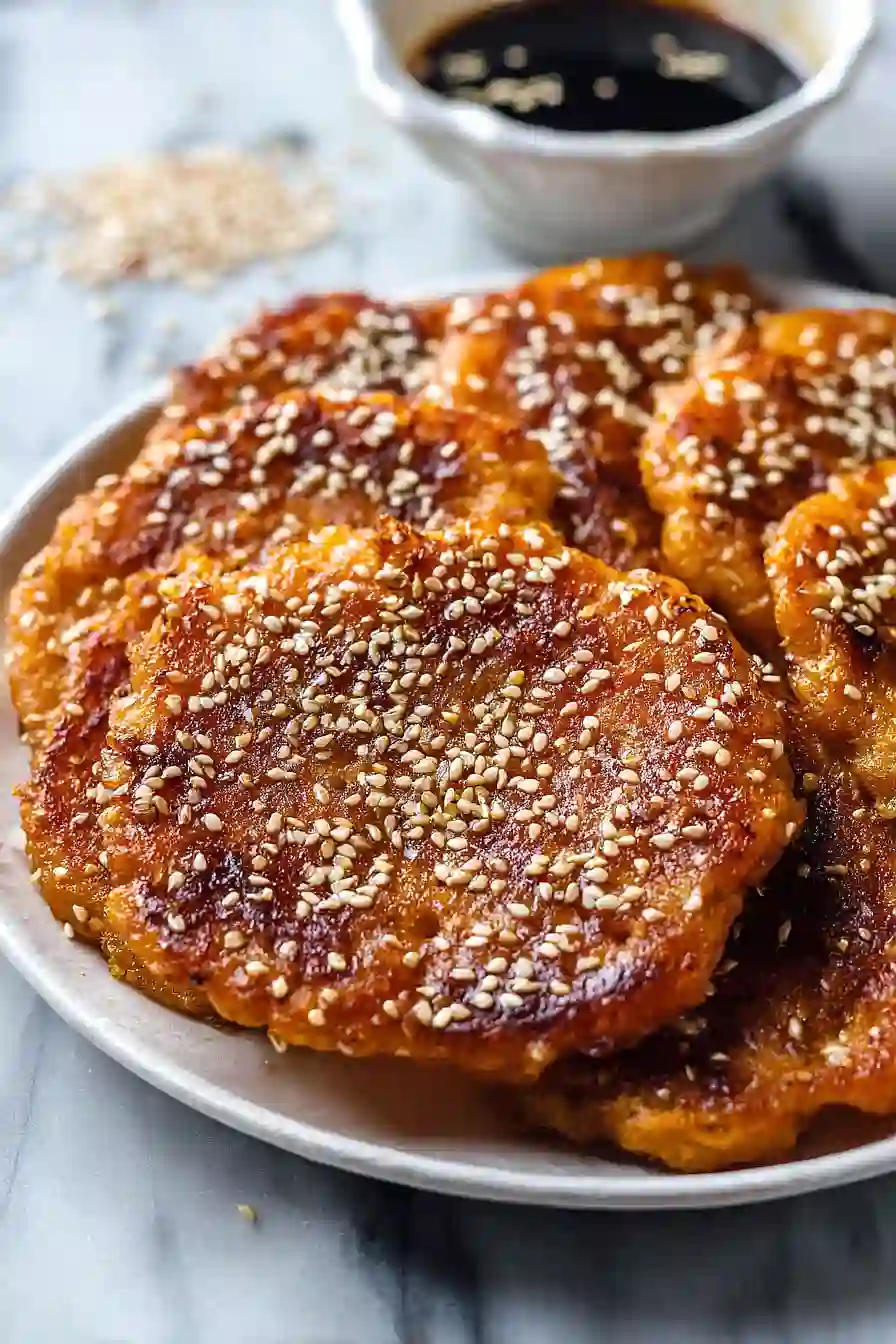
These sweet and chewy pancakes are perfect on their own, but I love serving them with a hot cup of jasmine tea or green tea to balance out the sweetness. You can also drizzle them with a little honey or maple syrup if you want to go all out with the sweetness, or dust them with powdered sugar for a simple finish. For a more traditional approach, try pairing them with some fresh fruit like sliced pears or persimmons, which complement the pumpkin flavor beautifully. They also make a great dessert alongside vanilla ice cream or even a scoop of black sesame ice cream if you can find it!
Storage Instructions
Keep Fresh: These pumpkin pancakes taste best when they’re fresh and warm, but you can store leftovers in the fridge for up to 3 days in an airtight container. Just layer them with parchment paper so they don’t stick together. The texture will be a bit chewier after refrigerating, but they’re still good!
Freeze: You can freeze these pancakes for up to 2 months if you want to make a big batch. Wrap them individually in plastic wrap or place parchment between each one in a freezer bag. This way you can grab just what you need for a quick snack or dessert.
Warm Up: To bring back that fresh-made texture, just pan-fry the pancakes in a little oil over medium-low heat for about 2-3 minutes on each side. You can also steam them for a few minutes if you prefer a softer texture. Avoid microwaving as it can make them tough and rubbery.
| Preparation Time | 15-30 minutes |
| Cooking Time | 20-30 minutes |
| Total Time | 35-60 minutes |
| Level of Difficulty | Medium |
Estimated Nutrition
Estimated nutrition for the whole recipe (without optional ingredients):
- Calories: 850-950
- Protein: 12-16 g
- Fat: 3-6 g
- Carbohydrates: 190-210 g
Ingredients
For the dough:
- 2 cups mochiko or glutinous rice flour (koda farm or erawan brand) (300g)
- 1 can pumpkin purée or 2 cups mashed cooked pumpkin or winter squash (400g peeled and seeded)
- 1/4 cup unrefined cane sugar or coconut sugar, or to taste (50g)
For the filling (optional):
- 2/3 cup sweetened red bean paste (240g)
For the coating (optional):
- 1 1/2 cups toasted sesame seeds
For frying:
- Neutral-flavored oil
Step 1: Prepare the Pumpkin or Squash Purée
- 1 can pumpkin purée or 2 cups mashed cooked pumpkin or winter squash (400g peeled and seeded)
- 1/4 cup unrefined cane sugar or coconut sugar, or to taste (50g)
If you are using fresh pumpkin or squash, begin by peeling it, removing the seeds and core, and cutting the flesh into thin ½-inch slices.
Steam for 10 minutes, microwave for 7-8 minutes, or use an electric pressure cooker for 10 minutes until the pumpkin is soft and can be pierced with a fork.
Scrape the cooked flesh from the peel, drain any excess water, and mash or blend until smooth.
If you are using canned pumpkin purée, you can skip the cooking and mashing steps.
Add the sugar to the purée, stirring and tasting until you reach your preferred sweetness.
Step 2: Mix the Pumpkin Mochi Dough
- 2 cups mochiko or glutinous rice flour (Koda Farm or Erawan brand) (300g)
- Pumpkin purée with sugar from Step 1
Gradually add mochiko or glutinous rice flour to the sweetened pumpkin purée, mixing in increments until the mixture forms a soft, putty-like dough that holds its shape when squeezed.
If the dough is too sticky or wet, add a bit more rice flour as needed.
Step 3: Shape and Fill the Pumpkin Cakes
- 2/3 cup sweetened red bean paste (240g)
- 1 1/2 cups toasted sesame seeds
- Pumpkin mochi dough from Step 2
Divide the dough into portions weighing about 40 grams each (about the size of a golf ball) and roll into balls.
Flatten each dough ball into a ½-inch thick disc.
For red bean–filled cakes, take about 30g of red bean paste and roll into balls.
Indent the center of the dough disc, place the red bean ball in the center, fold the dough around it to enclose, and shape into a ball, then flatten into a disc.
For extra flavor and texture, dip both sides of the formed cakes into a plate of toasted sesame seeds, pressing gently to adhere.
I like to press firmly so loads of seeds stick on—they get so nutty and aromatic after frying.
Step 4: Fry the Pumpkin Cakes
- neutral-flavored oil
- Filled and sesame-coated pumpkin cakes from Step 3
To deep-fry, heat about 2 cups of neutral-flavored oil in a deep pot or wok to 320°F/160°C.
Carefully slide the cakes into the oil and fry until crispy and golden brown on both sides, flipping as needed, about 3 minutes total.
Drain on a paper towel.
To pan-fry, use about ¼ cup oil in a nonstick or cast iron pan, and cook the cakes over medium heat in a single layer until golden and crisp on both sides.
I like to pan-fry in smaller batches for better control and less splatter.
Sesame Chinese Pumpkin Pancakes
Ingredients
For the dough:
- 2 cups mochiko or glutinous rice flour (Koda Farm or Erawan brand) (300g)
- 1 can pumpkin purée or 2 cups mashed cooked pumpkin or winter squash (400g peeled and seeded)
- 1/4 cup unrefined cane sugar or coconut sugar, or to taste (50g)
For the filling (optional):
- 2/3 cup sweetened red bean paste (240g)
For the coating (optional):
- 1 1/2 cups toasted sesame seeds
For frying:
- neutral-flavored oil
Instructions
- If you are using fresh pumpkin or squash, begin by peeling it, removing the seeds and core, and cutting the flesh into thin ½-inch slices. Steam for 10 minutes, microwave for 7-8 minutes, or use an electric pressure cooker for 10 minutes until the pumpkin is soft and can be pierced with a fork. Scrape the cooked flesh from the peel, drain any excess water, and mash or blend until smooth. If you are using canned pumpkin purée, you can skip the cooking and mashing steps. Add the sugar to the purée, stirring and tasting until you reach your preferred sweetness.
- Gradually add mochiko or glutinous rice flour to the sweetened pumpkin purée, mixing in increments until the mixture forms a soft, putty-like dough that holds its shape when squeezed. If the dough is too sticky or wet, add a bit more rice flour as needed.
- Divide the dough into portions weighing about 40 grams each (about the size of a golf ball) and roll into balls. Flatten each dough ball into a ½-inch thick disc. For red bean–filled cakes, take about 30g of red bean paste and roll into balls. Indent the center of the dough disc, place the red bean ball in the center, fold the dough around it to enclose, and shape into a ball, then flatten into a disc. For extra flavor and texture, dip both sides of the formed cakes into a plate of toasted sesame seeds, pressing gently to adhere. I like to press firmly so loads of seeds stick on—they get so nutty and aromatic after frying.
- To deep-fry, heat about 2 cups of neutral-flavored oil in a deep pot or wok to 320°F/160°C. Carefully slide the cakes into the oil and fry until crispy and golden brown on both sides, flipping as needed, about 3 minutes total. Drain on a paper towel. To pan-fry, use about ¼ cup oil in a nonstick or cast iron pan, and cook the cakes over medium heat in a single layer until golden and crisp on both sides. I like to pan-fry in smaller batches for better control and less splatter.