If you ask me, lavender in cookies is one of those things that sounds fancy but is actually super simple to pull off.
These soft sugar cookies have a gentle floral note that makes them feel special without being overwhelming. The lavender works with the vanilla and butter to create something that tastes like spring in cookie form.
They’re made with basic pantry staples and come together quickly. A little ground lavender goes a long way, giving each bite a subtle flavor that’s different from your everyday sugar cookie.
They’re perfect for afternoon tea, a weekend baking project, or whenever you want to try something a little different.

Why You’ll Love These Lavender Sugar Cookies
- Quick and easy – These cookies come together in just 20-30 minutes, making them perfect for when you need a homemade treat without spending hours in the kitchen.
- Unique, elegant flavor – The culinary lavender adds a subtle floral note that makes these cookies feel special and different from your typical sugar cookie.
- Simple ingredients – You probably have most of these pantry staples on hand already, with lavender buds being the only specialty item you’ll need.
- Small batch recipe – This recipe makes just enough cookies for a cozy afternoon tea or a small gathering, so you won’t be tempted to eat dozens of cookies all week.
What Kind of Lavender Should I Use?
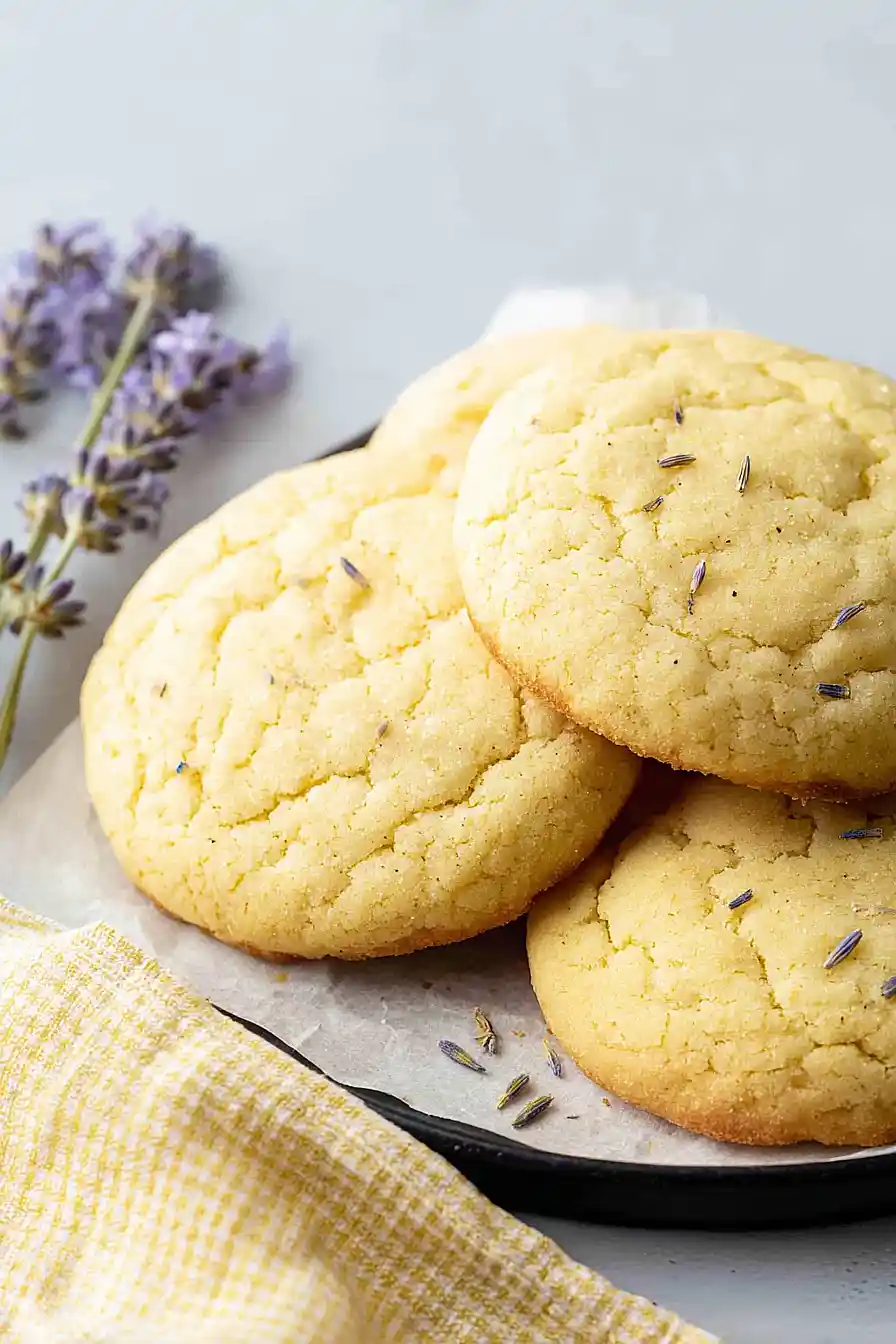
It’s really important to use culinary grade lavender for this recipe, not the kind you’d find at a craft store or in potpourri. Culinary lavender is specifically grown for cooking and hasn’t been treated with any chemicals or pesticides that aren’t food-safe. You can find it at specialty spice shops, health food stores, or online, and a little goes a long way so your purchase will last through many batches. If you’re new to cooking with lavender, start with the amount called for in the recipe – too much can make your cookies taste soapy or perfume-like, but the right amount gives them a lovely floral note that pairs perfectly with the buttery sweetness.
Options for Substitutions
These cookies are pretty straightforward, but here are some swaps you can make if needed:
- Culinary lavender buds: This is the star ingredient that gives these cookies their unique flavor, so I wouldn’t recommend skipping it. However, you can adjust the amount – use less if you’re new to lavender or want a milder flavor. Make sure you’re using culinary grade lavender, not the kind from craft stores.
- Unsalted butter: If you only have salted butter, go ahead and use it but skip the added salt in the recipe to avoid over-salting your cookies.
- Egg yolk: Don’t have a way to separate your egg? You can use a whole egg, but your cookies will spread a bit more and have a slightly different texture. They’ll still taste good though.
- Vanilla extract: Almond extract makes a nice pairing with lavender if you want to try something different. Use the same amount, but know it has a stronger flavor.
- All-purpose flour: Stick with all-purpose flour for this recipe – other flours will change the texture significantly and may not give you the results you’re looking for.
Watch Out for These Mistakes While Baking
The biggest mistake when baking lavender sugar cookies is using too much lavender, which can make your cookies taste like soap or perfume – stick to the 1/2 teaspoon called for, or even start with a bit less if you’re new to baking with lavender.
Make sure you’re buying culinary grade lavender buds, not the decorative kind from craft stores, as those aren’t meant for eating and can contain chemicals.
Overmixing the dough after adding the flour is another common error that leads to tough cookies, so stir just until the flour disappears and you’ll get a much better texture.
Since these cookies are small and delicate, keep a close eye on them during the last few minutes of baking – they can go from perfectly golden to overdone in less than a minute, so pull them out when the edges are just set but the centers still look slightly soft.
What to Serve With Lavender Sugar Cookies?
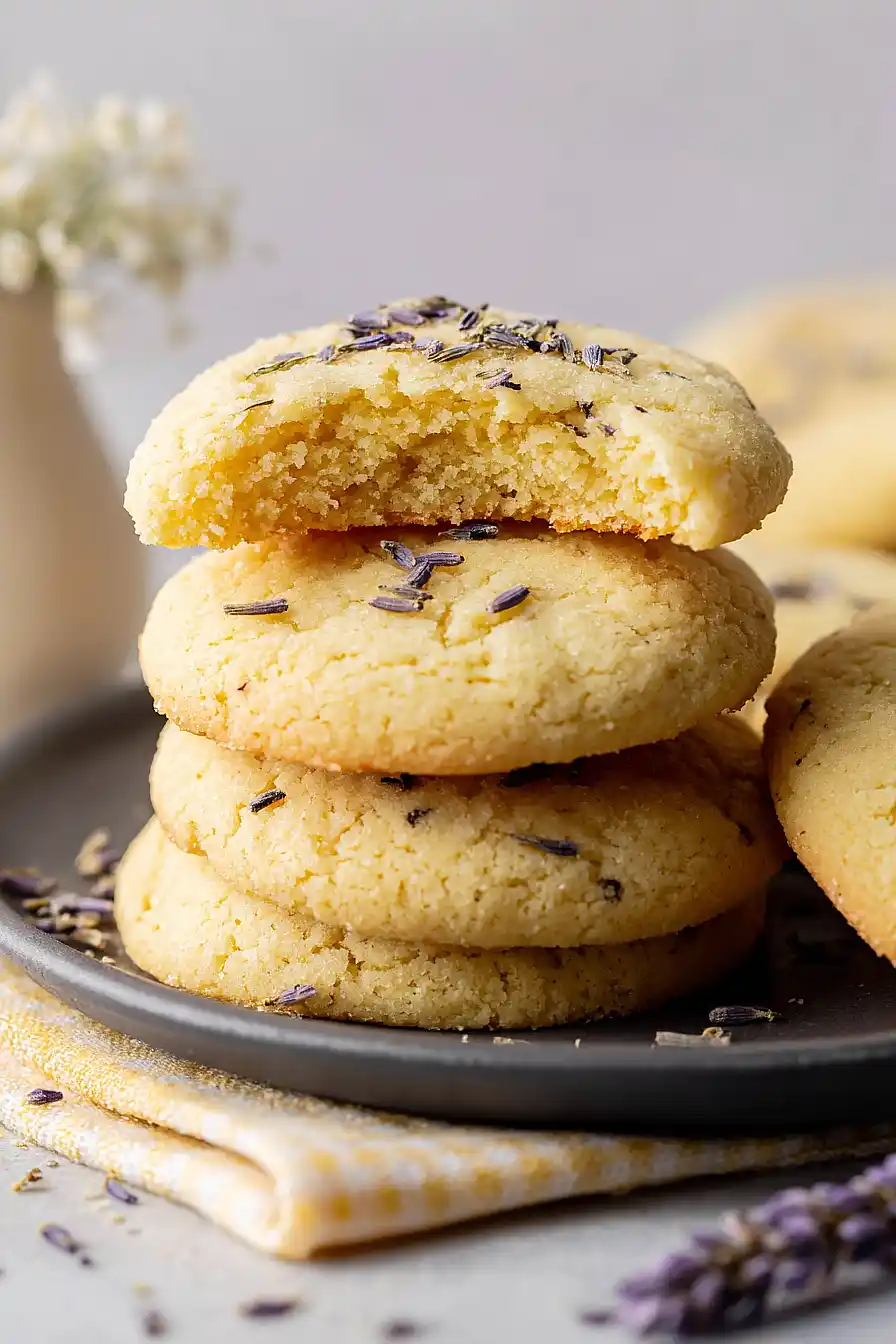
These lavender sugar cookies are perfect alongside a cup of hot tea – I especially love them with Earl Grey or chamomile since the floral notes complement each other so nicely. They also pair really well with a glass of cold milk for a more traditional cookie experience, or you could serve them with fresh lemon curd for a fancy afternoon tea vibe. If you’re putting together a dessert spread, these cookies work great next to fresh berries and whipped cream, or even vanilla ice cream for a simple but satisfying treat.
Storage Instructions
Store: These lavender sugar cookies stay fresh in an airtight container at room temperature for up to a week. I like to layer them with parchment paper to keep them from sticking together, and they make a great grab-and-go snack with your afternoon tea.
Freeze: You can freeze the baked cookies for up to 3 months in a freezer-safe container or bag. Just make sure they’re completely cooled first. If you want to get ahead, you can also freeze the dough rolled into balls for up to 2 months, then bake them straight from frozen by adding a minute or two to the baking time.
Serve: Let frozen cookies thaw at room temperature for about 30 minutes before serving. They taste best when they’re slightly soft in the middle, so if they’ve gotten a bit hard from storage, a quick 10-second zap in the microwave can help bring back that fresh-baked texture.
| Preparation Time | 10-15 minutes |
| Cooking Time | 10-15 minutes |
| Total Time | 20-30 minutes |
| Level of Difficulty | Easy |
Estimated Nutrition
Estimated nutrition for the whole recipe (without optional ingredients):
- Calories: 650-720
- Protein: 6-8 g
- Fat: 32-38 g
- Carbohydrates: 85-95 g
Ingredients
- 4 tbsp unsalted butter (softened to room temperature)
- 1/2 tsp vanilla extract (I use Madagascar vanilla for best flavor)
- 1/8 tsp fine salt
- 3/4 cup all-purpose flour (I use King Arthur all-purpose flour)
- 1/4 tsp baking soda
- 1/2 tsp culinary lavender buds (freshly ground preferred for more flavor)
- 1 large egg yolk
- 1/3 cup sugar (granulated)
Step 1: Prepare Mise en Place and Infuse the Sugar
- 1/3 cup sugar
- 1/2 tsp culinary lavender buds
Preheat your oven to 350°F.
While it heats, measure out all your ingredients and have them ready.
Pour the granulated sugar into a food processor, add the culinary lavender buds, and pulse for 30-45 seconds until the lavender is finely ground and evenly distributed throughout the sugar.
This grinding technique releases the lavender’s essential oils and ensures the flavor is distributed uniformly throughout each cookie rather than hitting pockets of lavender.
Step 2: Combine Wet Ingredients with Lavender Sugar
- 4 tbsp unsalted butter
- 1 large egg yolk
- 1/2 tsp vanilla extract
- lavender sugar mixture from Step 1
In a medium mixing bowl, combine the softened butter, egg yolk, and vanilla extract.
Stir vigorously until the mixture is pale and creamy, about 1-2 minutes.
Add the lavender sugar from Step 1 and mix until fully combined.
I like to use room temperature butter here because it creams much more easily with the sugar, creating a lighter, more tender cookie texture compared to melted butter.
Step 3: Mix Dry Ingredients and Create Dough
- 3/4 cup all-purpose flour
- 1/4 tsp baking soda
- 1/8 tsp fine salt
- wet ingredient mixture from Step 2
In a separate small bowl, whisk together the all-purpose flour, baking soda, and fine salt.
Add this dry mixture to the wet ingredients from Step 2 and stir gently until just combined—do not overmix, as this keeps the cookies tender.
The dough will be slightly stiff and crumbly at first, which is exactly what you want for a delicate, crumbly texture.
Step 4: Shape and Bake the Cookies
- dough from Step 3
Divide the dough in half and gently shape each portion into a rough ball.
Space the dough balls about 2 inches apart on a parchment-lined baking sheet—they’ll spread slightly as they bake.
Bake for 10 minutes, until the edges are just set but the centers still appear slightly underbaked.
I always check them at 9 minutes because ovens vary, and slightly underbaked cookies have a better tender texture than fully baked ones.
Step 5: Cool and Serve
Remove the cookies from the oven and let them rest directly on the baking sheet for 2 minutes.
This resting period allows them to firm up just enough to transfer safely to a cooling rack or serving plate without breaking apart.
The residual heat from the sheet finishes the baking process gently, keeping the interiors tender.

Irresistible Lavender Sugar Cookies
Ingredients
- 4 tbsp unsalted butter (softened to room temperature)
- 1/2 tsp vanilla extract (I use Madagascar vanilla for best flavor)
- 1/8 tsp fine salt
- 3/4 cup all-purpose flour (I use King Arthur all-purpose flour)
- 1/4 tsp baking soda
- 1/2 tsp culinary lavender buds (freshly ground preferred for more flavor)
- 1 large egg yolk
- 1/3 cup sugar (granulated)
Instructions
- Preheat your oven to 350°F. While it heats, measure out all your ingredients and have them ready. Pour the granulated sugar into a food processor, add the culinary lavender buds, and pulse for 30-45 seconds until the lavender is finely ground and evenly distributed throughout the sugar. This grinding technique releases the lavender's essential oils and ensures the flavor is distributed uniformly throughout each cookie rather than hitting pockets of lavender.
- In a medium mixing bowl, combine the softened butter, egg yolk, and vanilla extract. Stir vigorously until the mixture is pale and creamy, about 1-2 minutes. Add the lavender sugar from Step 1 and mix until fully combined. I like to use room temperature butter here because it creams much more easily with the sugar, creating a lighter, more tender cookie texture compared to melted butter.
- In a separate small bowl, whisk together the all-purpose flour, baking soda, and fine salt. Add this dry mixture to the wet ingredients from Step 2 and stir gently until just combined—do not overmix, as this keeps the cookies tender. The dough will be slightly stiff and crumbly at first, which is exactly what you want for a delicate, crumbly texture.
- Divide the dough in half and gently shape each portion into a rough ball. Space the dough balls about 2 inches apart on a parchment-lined baking sheet—they'll spread slightly as they bake. Bake for 10 minutes, until the edges are just set but the centers still appear slightly underbaked. I always check them at 9 minutes because ovens vary, and slightly underbaked cookies have a better tender texture than fully baked ones.
- Remove the cookies from the oven and let them rest directly on the baking sheet for 2 minutes. This resting period allows them to firm up just enough to transfer safely to a cooling rack or serving plate without breaking apart. The residual heat from the sheet finishes the baking process gently, keeping the interiors tender.