Finding a special dinner recipe that feels fancy but won’t leave you stressed in the kitchen can be tough. Between work, family commitments, and everything else life throws at you, the last thing you want is to spend hours wrestling with a complicated meal that might not even turn out right.
That’s where this filet mignon with horseradish sauce comes in. It looks and tastes like something you’d order at an expensive steakhouse, but it’s actually pretty straightforward to make at home, and the tangy horseradish sauce adds just the right kick to complement the tender beef.
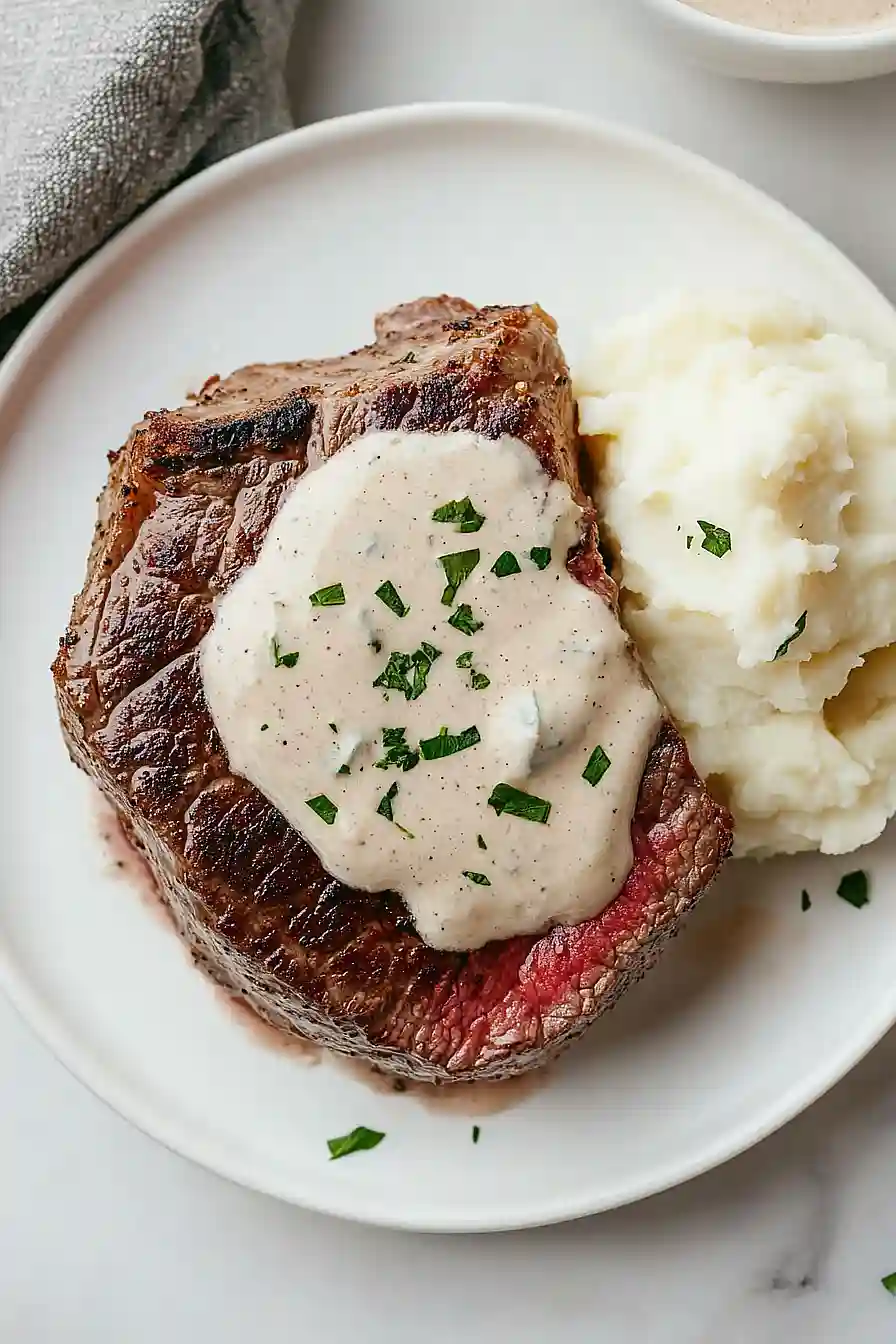
Why You’ll Love This Filet Mignon
- Restaurant-quality at home – You can create an impressive steakhouse experience in your own kitchen without paying those high restaurant prices.
- Simple ingredients – The filet mignon shines with just basic seasonings, while the horseradish sauce uses pantry staples you likely already have on hand.
- Perfect for special occasions – This elegant dish is ideal for date nights, anniversaries, or when you want to treat yourself to something really special.
- Creamy, tangy horseradish sauce – The homemade sauce adds a perfect kick that complements the rich, buttery flavor of the filet without overpowering it.
- Tender, melt-in-your-mouth texture – Filet mignon is the most tender cut of beef, and when cooked properly, it practically cuts with a fork.
What Kind of Filet Mignon Should I Use?
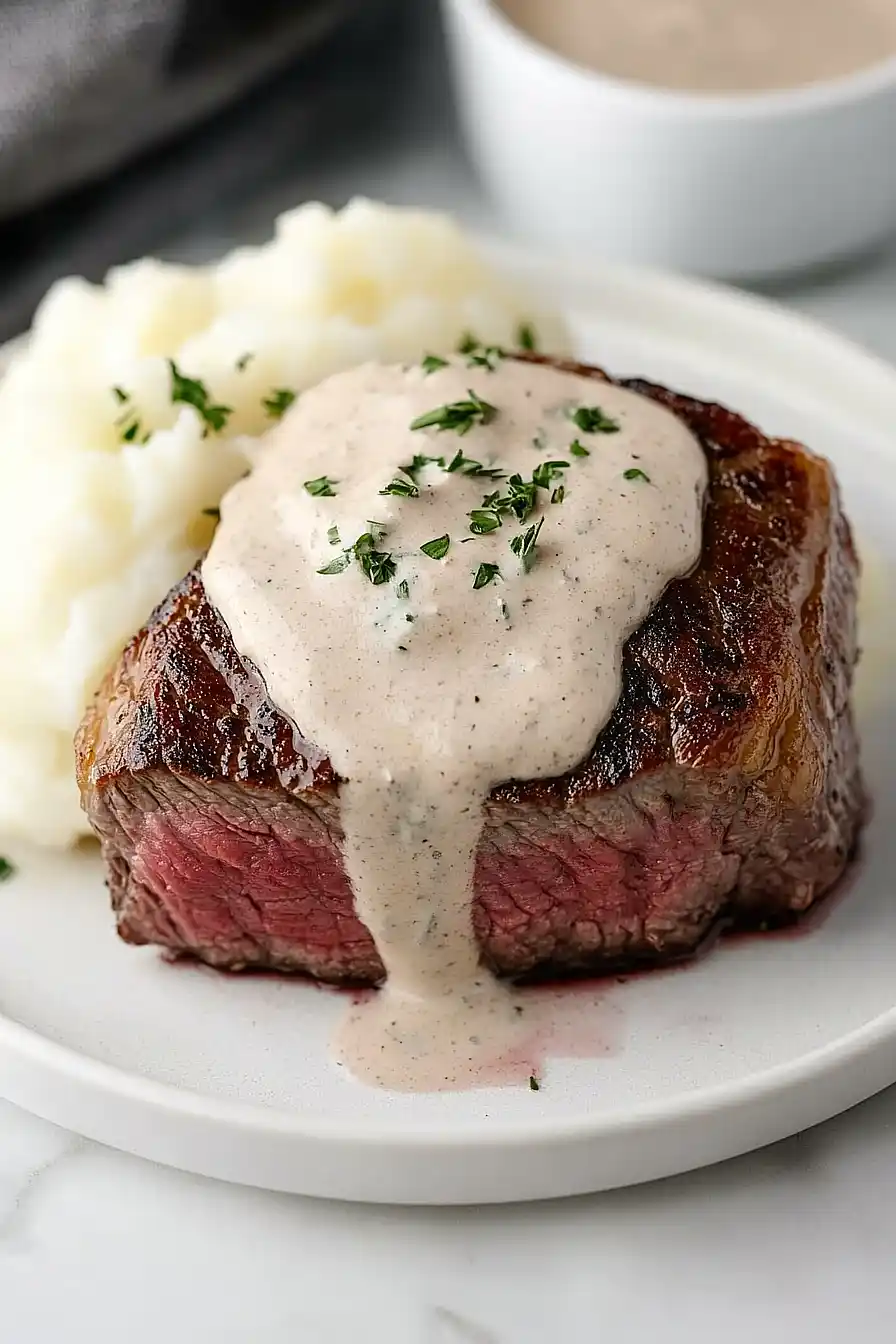
When shopping for filet mignon, look for steaks that are at least 1.5 to 2 inches thick – thinner cuts tend to overcook quickly and you’ll miss out on that perfect pink center. You can find filet mignon at most grocery stores, but for the best quality, consider visiting a butcher shop where they can cut them to your preferred thickness. The steaks should have a deep red color with minimal marbling since filet mignon is naturally a lean cut. If you’re buying from the grocery store, check the sell-by date and make sure the packaging isn’t damaged or leaking.
Options for Substitutions
While filet mignon is the star here, you can make some smart swaps if needed:
- Filet mignon: If filet mignon isn’t in the budget, try ribeye or New York strip steaks – they’re still tender and flavorful. You can even use sirloin steaks, though they’ll need a bit more seasoning and maybe a minute less cooking time.
- Avocado oil: Any high-heat oil works great here. Try vegetable oil, canola oil, or even grapeseed oil. Just avoid olive oil since it can smoke at high temperatures.
- Fresh horseradish: If you only have prepared horseradish from a jar, use about 1 tablespoon instead of 2 tablespoons fresh, and taste as you go since it can be quite strong.
- Sour cream: Greek yogurt makes a great substitute and adds extra protein. You can also use crème fraîche for a richer flavor, though it’s a bit more expensive.
- Fresh lemon juice: Bottled lemon juice works in a pinch, or you can try white wine vinegar – just use about half the amount since it’s more acidic.
- Fresh chives: Green onion tops, fresh parsley, or even dried chives will work for garnish. Use about 1 teaspoon of dried chives if that’s what you have.
Watch Out for These Mistakes While Cooking
The biggest mistake when cooking filet mignon is not letting it come to room temperature before cooking, which leads to uneven cooking with a cold center and overcooked edges – take your steaks out of the fridge 30-45 minutes before you plan to cook them.
Overcooking this expensive cut is another common error since filet mignon is best served medium-rare to medium, so use a meat thermometer and aim for 130-135°F internal temperature for perfect results.
Don’t skip the crucial step of letting your steaks rest for 5-10 minutes after cooking, as this allows the juices to redistribute throughout the meat instead of running all over your cutting board.
For the horseradish sauce, prepare it at least 30 minutes ahead of serving to let the flavors meld together, and remember that fresh horseradish is much stronger than jarred, so start with less and taste as you go.
What to Serve With Filet Mignon?
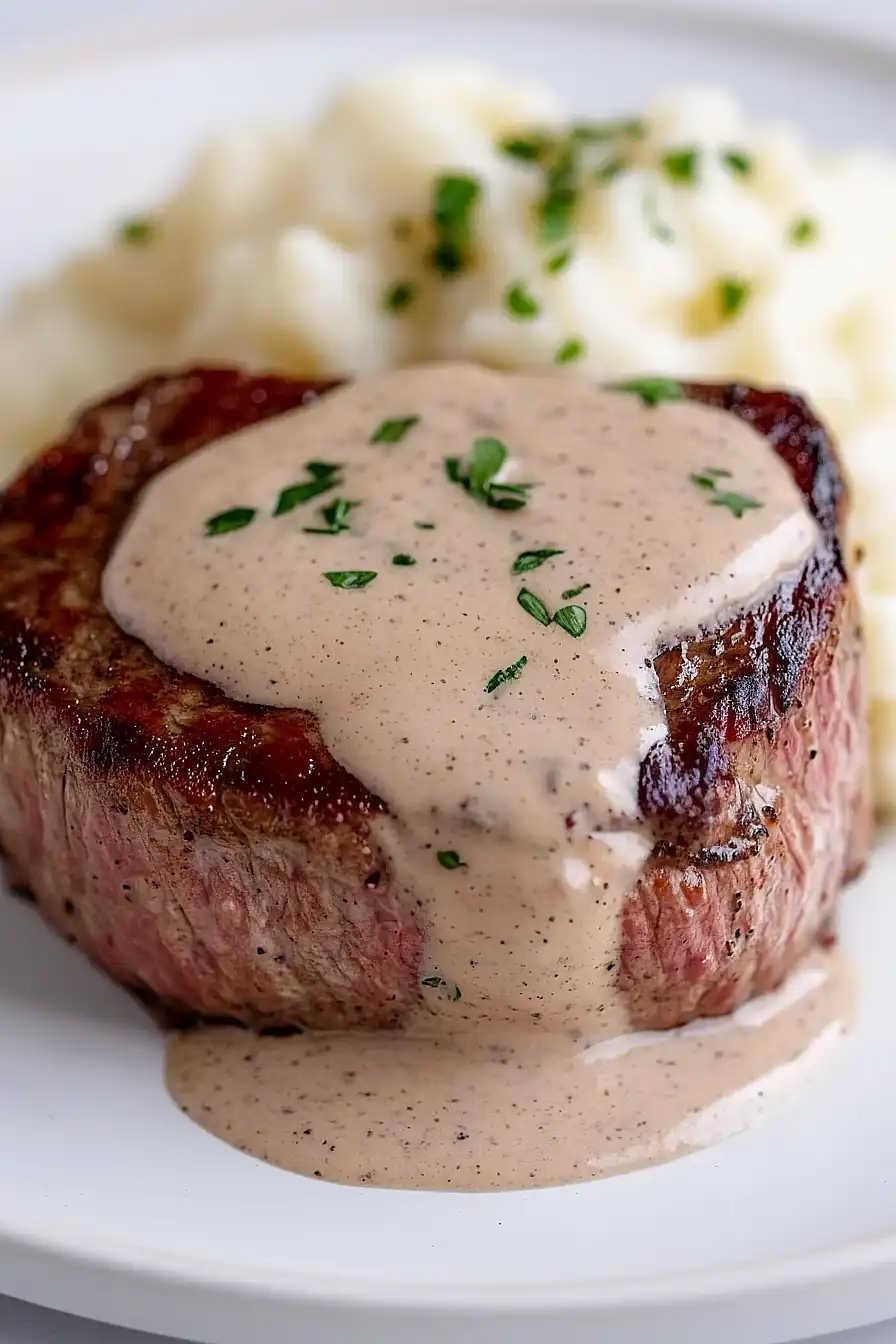
Since filet mignon is such a special cut of beef, I like to pair it with sides that feel just as fancy but won’t compete with that tender, buttery flavor. Roasted asparagus or green beans work perfectly alongside the rich horseradish sauce, and you can’t go wrong with garlic mashed potatoes or roasted fingerling potatoes to soak up all those delicious flavors. A simple arugula salad with lemon vinaigrette helps cut through the richness of the meat and cream sauce, making each bite feel fresh. For a cozy steakhouse vibe at home, add some sautéed mushrooms or roasted Brussels sprouts to round out the plate.
Storage Instructions
Refrigerate: Cooked filet mignon is best enjoyed fresh, but leftovers will keep in the fridge for up to 3 days in an airtight container. The horseradish sauce actually gets better after sitting overnight – all those flavors meld together nicely. Store the sauce separately in a covered container for up to a week.
Make Ahead: You can definitely prep the horseradish sauce a day or two in advance – it’s actually one of those sauces that improves with time. Just whisk everything together and keep it covered in the fridge. The steaks are really best cooked fresh, but you can season them earlier in the day and let them come to room temperature before cooking.
Warm Up: If you need to warm up leftover steak, be gentle about it since filet mignon can get tough when overcooked. A quick sear in a hot pan for just 30 seconds per side works well, or you can slice it thin and warm it briefly in a pan with a little butter. Let the horseradish sauce come to room temperature before serving.
| Preparation Time | 15-20 minutes |
| Cooking Time | 180-190 minutes |
| Total Time | 195-210 minutes |
| Level of Difficulty | Medium |
Estimated Nutrition
Estimated nutrition for the whole recipe (without optional ingredients):
- Calories: 700-800
- Protein: 80-90 g
- Fat: 38-45 g
- Carbohydrates: 6-9 g
Ingredients
For the steak:
- 2 tenderloin steaks (6 oz each)
- 2 tsp salt, divided
- 1 tsp black pepper, divided
- 1 tbsp avocado oil
- Chopped chives, for garnish
For the horseradish sauce:
- 2 tbsp prepared horseradish
- 1/2 cup sour cream
- 1 tbsp mayonnaise
- 1 tsp worcestershire sauce
- 1 tbsp freshly squeezed lemon juice
Step 1: Season the Steaks
- 2 tenderloin steaks (6 oz each)
- 1 tsp salt
- 1/2 tsp black pepper
Sprinkle both sides of the tenderloin steaks with 1 teaspoon salt and 1/2 teaspoon black pepper.
Make sure to season them evenly for maximum flavor.
Step 2: Vacuum Seal and Cook Sous Vide
- seasoned steaks from Step 1
Place the seasoned steaks into a vacuum seal bag and seal them to remove all the air.
Alternatively, use the water displacement method if you do not have a vacuum sealer.
Heat a water bath to 125°F (52°C).
Add the sealed beef to the water and let it cook sous vide for 3 hours.
This low, slow cook ensures the steaks are evenly cooked and incredibly tender.
I find that using the water displacement method is just as effective if you don’t have special equipment.
Step 3: Prepare the Horseradish Cream Sauce
- 2 tbsp prepared horseradish
- 1/2 cup sour cream
- 1 tbsp mayonnaise
- 1 tsp Worcestershire sauce
- 1 tbsp freshly squeezed lemon juice
- 1 tsp salt
- 1/2 tsp black pepper
While the steaks are cooking, make the creamy horseradish sauce.
In a mixing bowl, combine the prepared horseradish, sour cream, mayonnaise, Worcestershire sauce, freshly squeezed lemon juice, 1 teaspoon salt, and 1/2 teaspoon black pepper.
Stir everything together until smooth.
I like to let the sauce sit in the refrigerator for at least 30 minutes—this lets the flavors meld beautifully.
Step 4: Remove and Dry the Steaks
- cooked steaks from Step 2
Once the sous vide cooking is finished, carefully remove the steaks from the vacuum bag.
Pat them completely dry with paper towels—removing moisture is key to getting a good sear later.
Step 5: Sear the Steaks
- 1 tbsp avocado oil
- dried steaks from Step 4
Heat a cast iron skillet over high heat until it starts to smoke.
Add the avocado oil, then place the dried steaks in the pan.
Sear each side for 45-60 seconds, just until a brown crust forms.
Avoid cooking the steaks any longer, as you want to keep their perfectly tender interior.
I always recommend pressing the steaks gently into the pan to maximize that savory crust.
Step 6: Serve and Garnish
- seared steaks from Step 5
- horseradish cream sauce from Step 3
- chopped chives, for garnish
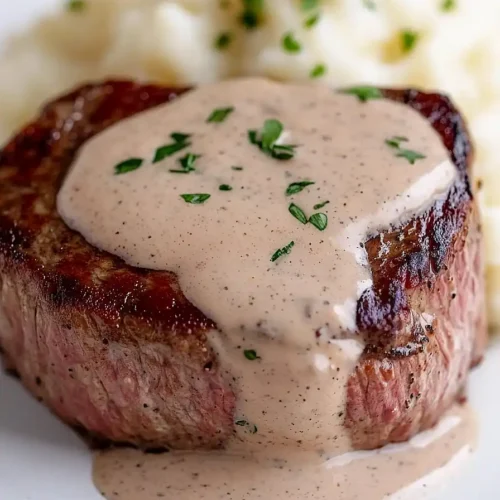
Arrange the beautifully seared steaks on plates and top with a generous dollop of the horseradish cream sauce from Step 3.
Sprinkle chopped chives over the top for a final burst of color and freshness.
Serve immediately while everything is hot and flavorful.
Homemade Filet Mignon with Horseradish Sauce
Ingredients
For the steak:
- 2 tenderloin steaks (6 oz each)
- 2 tsp salt, divided
- 1 tsp black pepper, divided
- 1 tbsp avocado oil
- chopped chives, for garnish
For the horseradish sauce:
- 2 tbsp prepared horseradish
- 1/2 cup sour cream
- 1 tbsp mayonnaise
- 1 tsp Worcestershire sauce
- 1 tbsp freshly squeezed lemon juice
Instructions
- Sprinkle both sides of the tenderloin steaks with 1 teaspoon salt and 1/2 teaspoon black pepper. Make sure to season them evenly for maximum flavor.
- Place the seasoned steaks into a vacuum seal bag and seal them to remove all the air. Alternatively, use the water displacement method if you do not have a vacuum sealer. Heat a water bath to 125°F (52°C). Add the sealed beef to the water and let it cook sous vide for 3 hours. This low, slow cook ensures the steaks are evenly cooked and incredibly tender. I find that using the water displacement method is just as effective if you don't have special equipment.
- While the steaks are cooking, make the creamy horseradish sauce. In a mixing bowl, combine the prepared horseradish, sour cream, mayonnaise, Worcestershire sauce, freshly squeezed lemon juice, 1 teaspoon salt, and 1/2 teaspoon black pepper. Stir everything together until smooth. I like to let the sauce sit in the refrigerator for at least 30 minutes—this lets the flavors meld beautifully.
- Once the sous vide cooking is finished, carefully remove the steaks from the vacuum bag. Pat them completely dry with paper towels—removing moisture is key to getting a good sear later.
- Heat a cast iron skillet over high heat until it starts to smoke. Add the avocado oil, then place the dried steaks in the pan. Sear each side for 45-60 seconds, just until a brown crust forms. Avoid cooking the steaks any longer, as you want to keep their perfectly tender interior. I always recommend pressing the steaks gently into the pan to maximize that savory crust.
- Arrange the beautifully seared steaks on plates and top with a generous dollop of the horseradish cream sauce from Step 3. Sprinkle chopped chives over the top for a final burst of color and freshness. Serve immediately while everything is hot and flavorful.