Finding a pizza crust that actually fits into a low-carb lifestyle can feel downright impossible. After all, traditional pizza dough is loaded with flour and carbs, and most alternative crusts either taste like cardboard or fall apart the second you try to pick up a slice, and things get even more frustrating when you’re craving real pizza flavor without the guilt.
Luckily, this cottage cheese pizza crust checks all the boxes: it’s low in carbs yet satisfying, simple to whip up with just a handful of ingredients, and sturdy enough to hold all your favorite toppings without turning into a soggy mess.
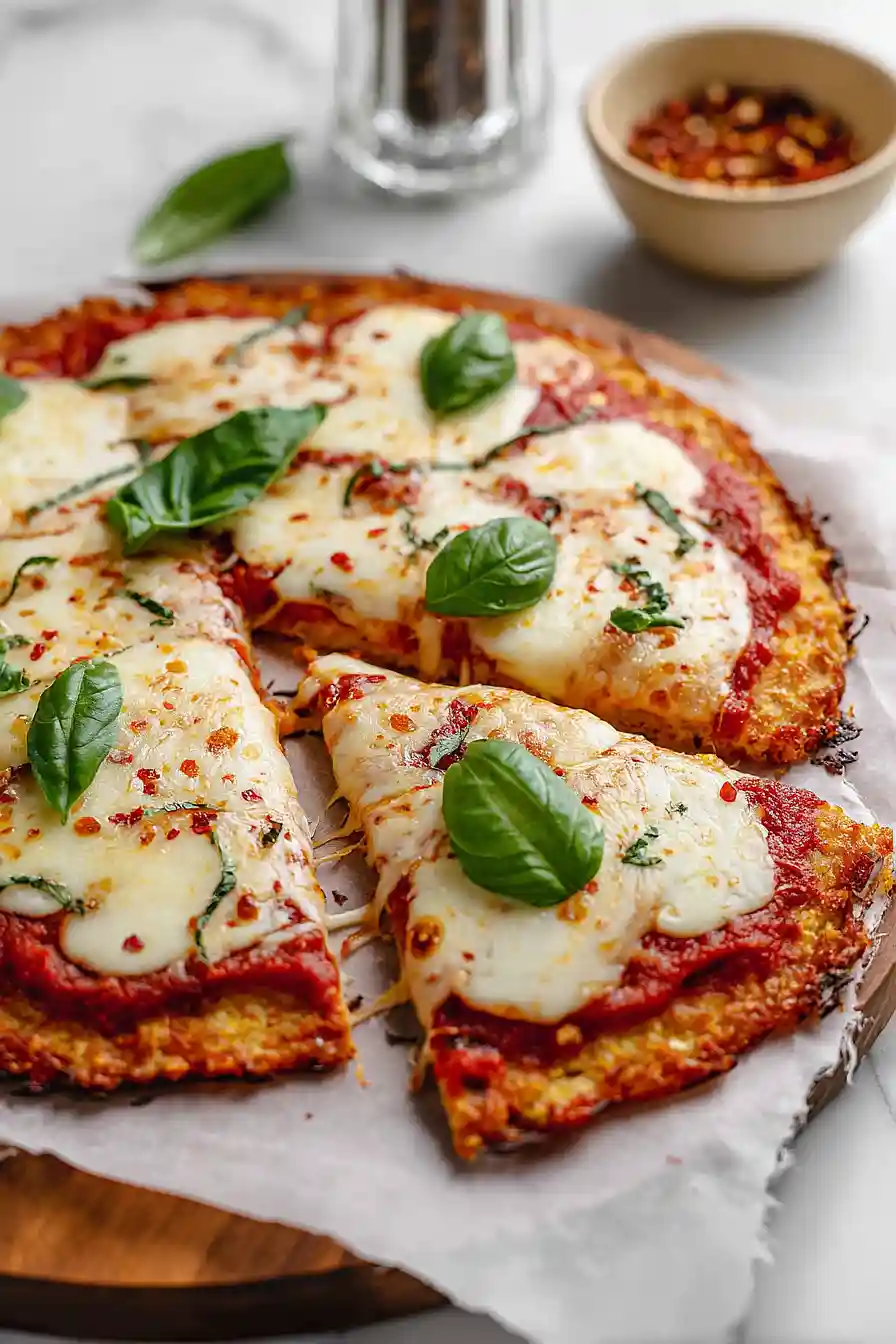
Why You’ll Love This Cottage Cheese Pizza Crust
- Low-carb and high-protein – This crust is perfect if you’re watching your carbs or trying to add more protein to your diet, making pizza night guilt-free.
- Simple ingredients – You only need six basic ingredients that you might already have in your fridge and pantry.
- Easy to make – Just blend everything together, spread it out, and bake. No complicated kneading or rising time required.
- Satisfying pizza fix – You get to enjoy all your favorite pizza toppings without the heavy, carb-loaded feeling afterward.
What Kind of Cottage Cheese Should I Use?
Any cottage cheese will work for this pizza crust, whether you go with small curd, large curd, or even whipped cottage cheese. Full-fat cottage cheese tends to give you a richer flavor and better texture, but low-fat or fat-free versions will still get the job done if that’s what you have on hand. If you’re using large curd cottage cheese and want a smoother crust, you can give it a quick blend in a food processor before mixing it with the other ingredients. The key is making sure you drain off any excess liquid from the cottage cheese before using it, as too much moisture can make your crust soggy instead of crispy.
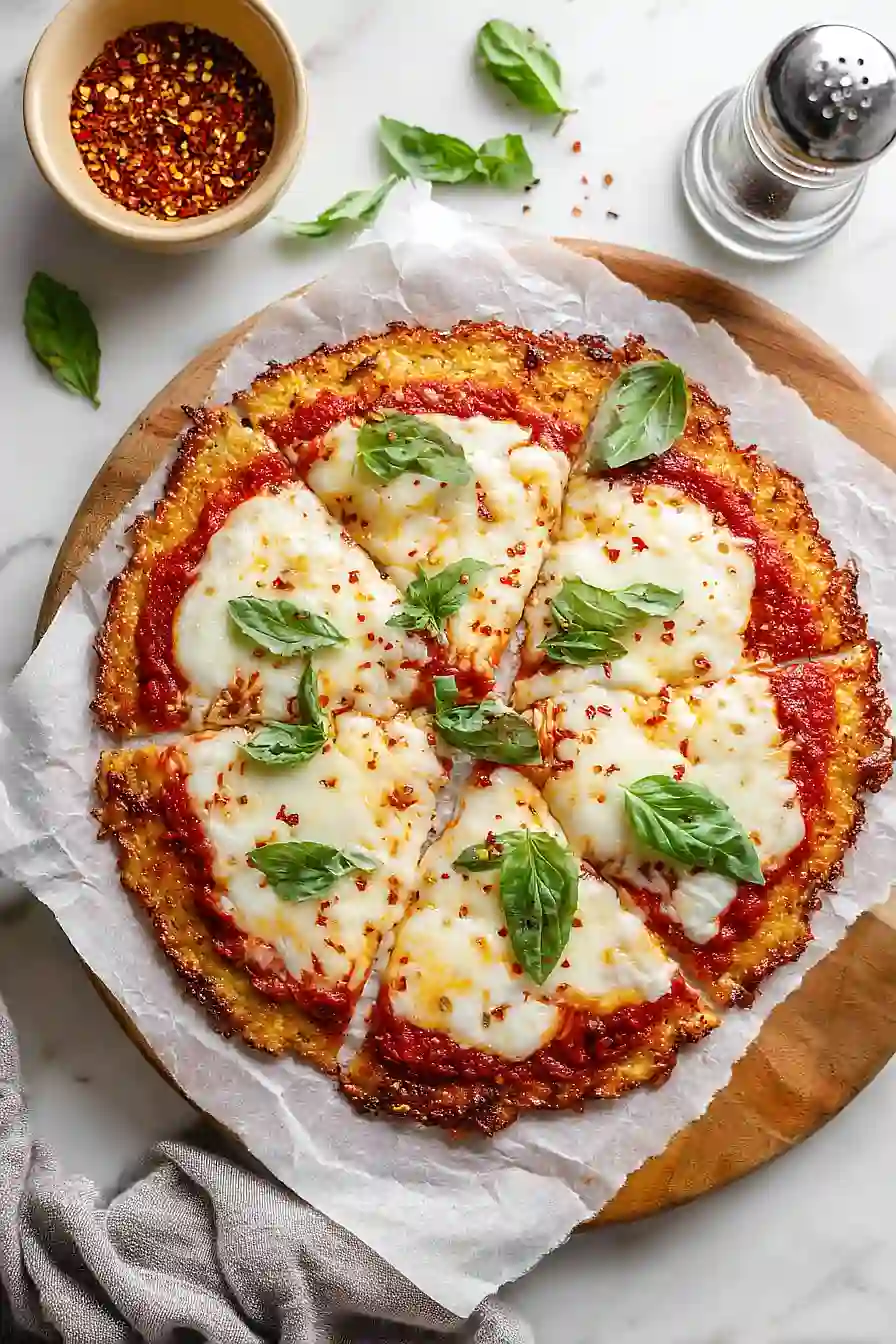
Options for Substitutions
This simple pizza crust recipe has a few swap options if you need them:
- Cottage cheese: You can use ricotta cheese instead of cottage cheese for a smoother texture. Just make sure to drain any excess liquid first by placing it in a fine-mesh strainer for about 15 minutes before mixing.
- Eggs: The eggs are really important here as they bind everything together and create the structure of the crust, so I wouldn’t recommend substituting them. They’re what makes this recipe work without traditional flour.
- Italian seasoning: Don’t have Italian seasoning? Mix together equal parts dried basil, oregano, and thyme. Or just use whatever dried herbs you have on hand – even plain oregano works fine.
- Garlic powder: Fresh minced garlic (about 1 clove) can replace the garlic powder, or you can use onion powder if that’s what you’ve got in your pantry.
Watch Out for These Mistakes While Baking
The biggest mistake people make with cottage cheese pizza crust is not baking it long enough in the first round, which leaves you with a soggy, floppy base that can’t support your toppings – make sure it’s golden brown and firm to the touch before adding anything on top.
Skipping the parchment paper is another error that will have you scraping your crust off the pan, so don’t try to get away with just greasing it.
To get a crispier crust, spread the mixture as thin as possible (closer to 1/8 inch if you can manage it) and consider patting the cottage cheese with paper towels before mixing to remove excess moisture.
The final cooling period after adding toppings is crucial – if you slice too early, the whole thing will fall apart, so give it the full 10 minutes even though you’re hungry.

What to Serve With Cottage Cheese Pizza Crust?
Since this pizza crust is on the lighter side, I like to pair it with a simple side salad tossed with olive oil and lemon juice to keep the meal balanced. A Caesar salad works really well too, especially if you’re topping your pizza with classic pepperoni or sausage. If you want something warm on the side, roasted vegetables like zucchini, bell peppers, or broccoli are perfect for scooping up any extra marinara sauce. For a more filling meal, you could also serve it alongside some garlic knots or a bowl of minestrone soup.
Storage Instructions
Store: Keep your leftover pizza in an airtight container in the fridge for up to 3 days. The crust holds up pretty well, though it might soften a bit more than regular pizza crust. I usually grab a slice for a quick lunch the next day!
Freeze: You can freeze baked pizza slices for up to a month. Just wrap each slice individually in plastic wrap, then place them all in a freezer bag. This works great if you want to make a couple pizzas at once and save some for later.
Reheat: For the best texture, reheat your pizza in the oven at 350°F for about 8-10 minutes until warmed through and the cheese gets melty again. You can also use an air fryer at 350°F for 5-6 minutes to crisp up the crust a bit.
| Preparation Time | 10-15 minutes |
| Cooking Time | 45-60 minutes |
| Total Time | 60-75 minutes |
| Level of Difficulty | Easy |
| Servings | 6 slices |
Estimated Nutrition
Estimated nutrition for the whole recipe (without optional ingredients):
- Calories: 280-320
- Protein: 28-32 g
- Fat: 14-18 g
- Carbohydrates: 8-12 g
Ingredients
- 1.25 cups cottage cheese (I prefer Good Culture for a thicker texture)
- 3 eggs (room temperature to help the crust bind better)
- 3/4 tsp garlic powder
- 1/2 tsp italian seasoning (I use McCormick for the best herb balance)
- 1/8 tsp salt
- 1/8 tsp pepper
- 1/4 tsp onion powder
Step 1: Prepare Your Setup and Preheat
- Parchment paper
- 9×13 inch baking sheet
Heat your oven to 350°F and line a standard 9×13 inch baking sheet (or similar size) with parchment paper.
This temperature is perfect for gently cooking the eggs and cottage cheese mixture through while achieving a light golden color without browning too quickly.
Having everything ready before you mix ensures your batter goes straight into the oven at the right moment.
Step 2: Mix the Crust Base
- 1.25 cups cottage cheese
- 3 eggs
- 3/4 tsp garlic powder
- 1/2 tsp Italian seasoning
- 1/8 tsp salt
- 1/8 tsp pepper
- 1/4 tsp onion powder
In a bowl, combine the cottage cheese, eggs, garlic powder, Italian seasoning, salt, pepper, and onion powder.
Blend thoroughly until you have a smooth, uniform batter with no visible lumps of cottage cheese.
I like using room temperature eggs here because they incorporate more smoothly into the cottage cheese, creating a better bind and more cohesive crust structure.
Step 3: Spread and Bake the Crust
- Crust mixture from Step 2
- Prepared baking sheet from Step 1
Pour the wet mixture from Step 2 onto your prepared baking sheet and spread it evenly to about 1/4 inch thickness using a spatula or the back of a spoon.
The consistent thickness ensures even cooking throughout.
Bake for 35-40 minutes until the top is light golden and the crust is set and firm when you touch it lightly.
Step 4: Cool and Add Toppings
- Baked crust from Step 3
- Pizza toppings of your choice
Remove the baked crust from the oven and let it cool for 5-10 minutes—this brief rest allows it to firm up slightly and become easier to work with.
Add your desired pizza toppings (sauce, cheese, vegetables, etc.) during this window.
I find that letting the crust cool slightly before topping prevents the seasonings from cooking off completely, so you maintain that savory flavor base.
Step 5: Final Bake and Rest
- Topped pizza from Step 4
Return the topped pizza to the oven and bake for 5-10 minutes until the cheese melts and toppings are warm.
Remove from the oven and let the pizza cool for about 10 minutes before slicing.
This final rest allows the crust to set completely and makes slicing much cleaner without falling apart.

Flourless Cottage Cheese Pizza Crust
Ingredients
- 1.25 cups cottage cheese (I prefer Good Culture for a thicker texture)
- 3 eggs (room temperature to help the crust bind better)
- 3/4 tsp garlic powder
- 1/2 tsp italian seasoning (I use McCormick for the best herb balance)
- 1/8 tsp salt
- 1/8 tsp pepper
- 1/4 tsp onion powder
Instructions
- Heat your oven to 350°F and line a standard 9x13 inch baking sheet (or similar size) with parchment paper. This temperature is perfect for gently cooking the eggs and cottage cheese mixture through while achieving a light golden color without browning too quickly. Having everything ready before you mix ensures your batter goes straight into the oven at the right moment.
- In a bowl, combine the cottage cheese, eggs, garlic powder, Italian seasoning, salt, pepper, and onion powder. Blend thoroughly until you have a smooth, uniform batter with no visible lumps of cottage cheese. I like using room temperature eggs here because they incorporate more smoothly into the cottage cheese, creating a better bind and more cohesive crust structure.
- Pour the wet mixture from Step 2 onto your prepared baking sheet and spread it evenly to about 1/4 inch thickness using a spatula or the back of a spoon. The consistent thickness ensures even cooking throughout. Bake for 35-40 minutes until the top is light golden and the crust is set and firm when you touch it lightly.
- Remove the baked crust from the oven and let it cool for 5-10 minutes—this brief rest allows it to firm up slightly and become easier to work with. Add your desired pizza toppings (sauce, cheese, vegetables, etc.) during this window. I find that letting the crust cool slightly before topping prevents the seasonings from cooking off completely, so you maintain that savory flavor base.
- Return the topped pizza to the oven and bake for 5-10 minutes until the cheese melts and toppings are warm. Remove from the oven and let the pizza cool for about 10 minutes before slicing. This final rest allows the crust to set completely and makes slicing much cleaner without falling apart.


I followed recipe exactly and it turned out great. We aren’t fans of thick pizza crust anyway so this was perfect for us.