There’s something about a big pot of soup simmering on the stove that makes a house feel like home. When I’m craving comfort food that’s actually good for me, I turn to minestrone. But not just any minestrone—this Italian green version is packed with vegetables and topped with a fresh basil pesto that makes it special.
I love that this soup is flexible. Got a random half cabbage in the fridge? Toss it in. Found some sad-looking carrots? They’ll perk right up in this pot. The best part is the parmesan rind trick—it melts into the broth and adds so much flavor that you’d think you’d been cooking all day.
This recipe makes a big batch, which means leftovers for lunch. The soup keeps well in the fridge, and honestly, it tastes even better the next day when all the flavors have had time to become friends. Just make the pesto fresh when you’re ready to serve.
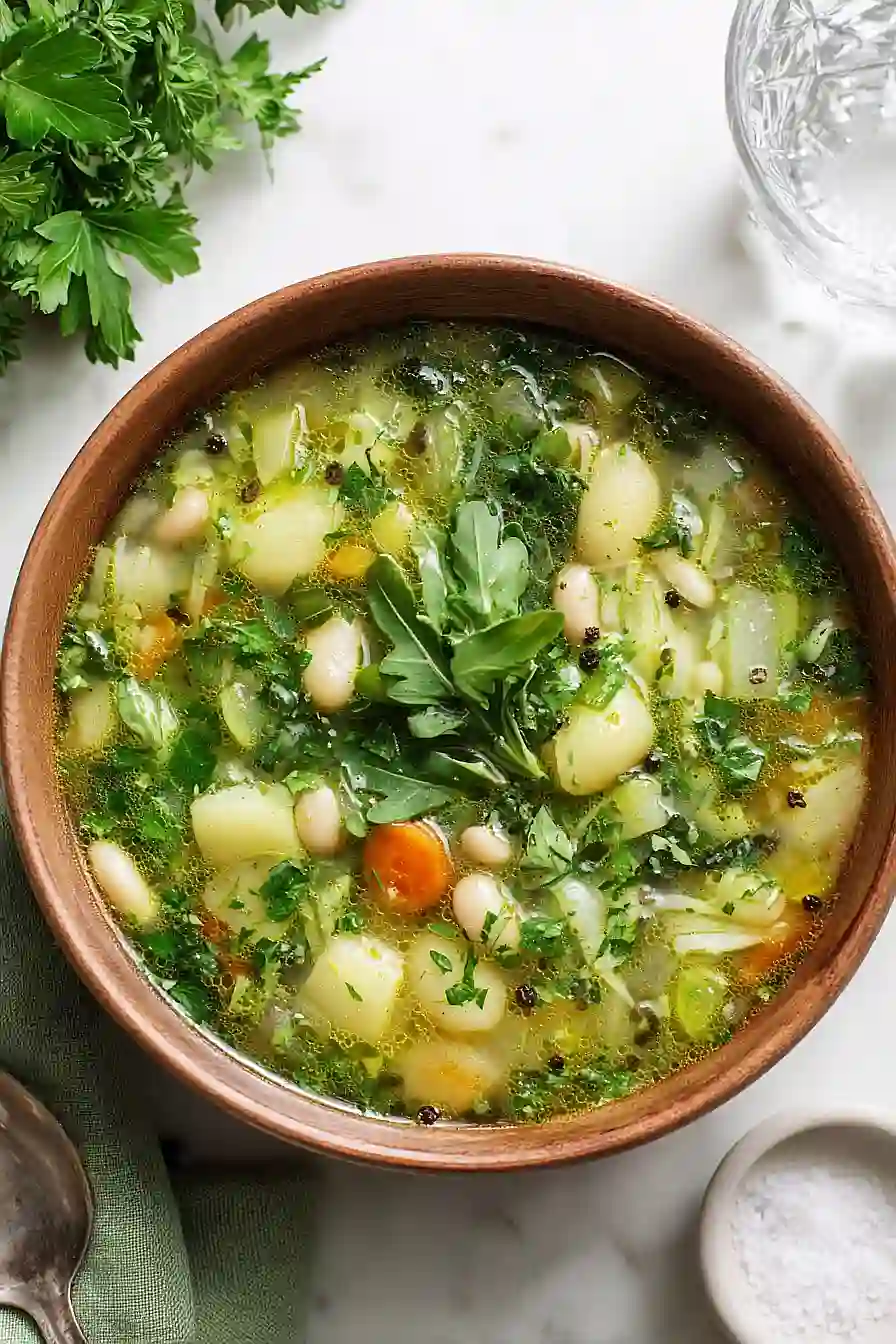
Why You’ll Love This Minestrone di Verdure
- Packed with vegetables – This soup is loaded with nutritious veggies like cabbage, carrots, celery, and arugula, making it an easy way to get your daily servings in one bowl.
- Ready in under an hour – You can have this hearty Italian soup on the table in 35-50 minutes, perfect for busy weeknights when you want something homemade and satisfying.
- Fresh homemade pesto – The basil pesto made with pine nuts and parmesan adds a bright, fresh flavor that takes this soup from good to amazing.
- Vegetarian and filling – With borlotti beans and potatoes, this meatless soup is hearty enough to keep you full without feeling heavy.
- Simple pantry ingredients – Most of these ingredients are kitchen staples or easy to find at any grocery store, so you won’t need to hunt down anything unusual.
What Kind of Beans Should I Use?
Borlotti beans are traditional in Italian minestrone and give the soup an authentic, creamy texture. If you can’t find borlotti beans at your local store, cannellini beans or cranberry beans make great substitutes and are usually easier to track down. You can use either canned or dried beans for this recipe – canned beans are obviously quicker, but if you’re using dried beans, make sure to soak them overnight and cook them until they’re tender before adding them to your soup. Whatever you choose, just drain and rinse canned beans well to get rid of that starchy liquid they’re packed in.
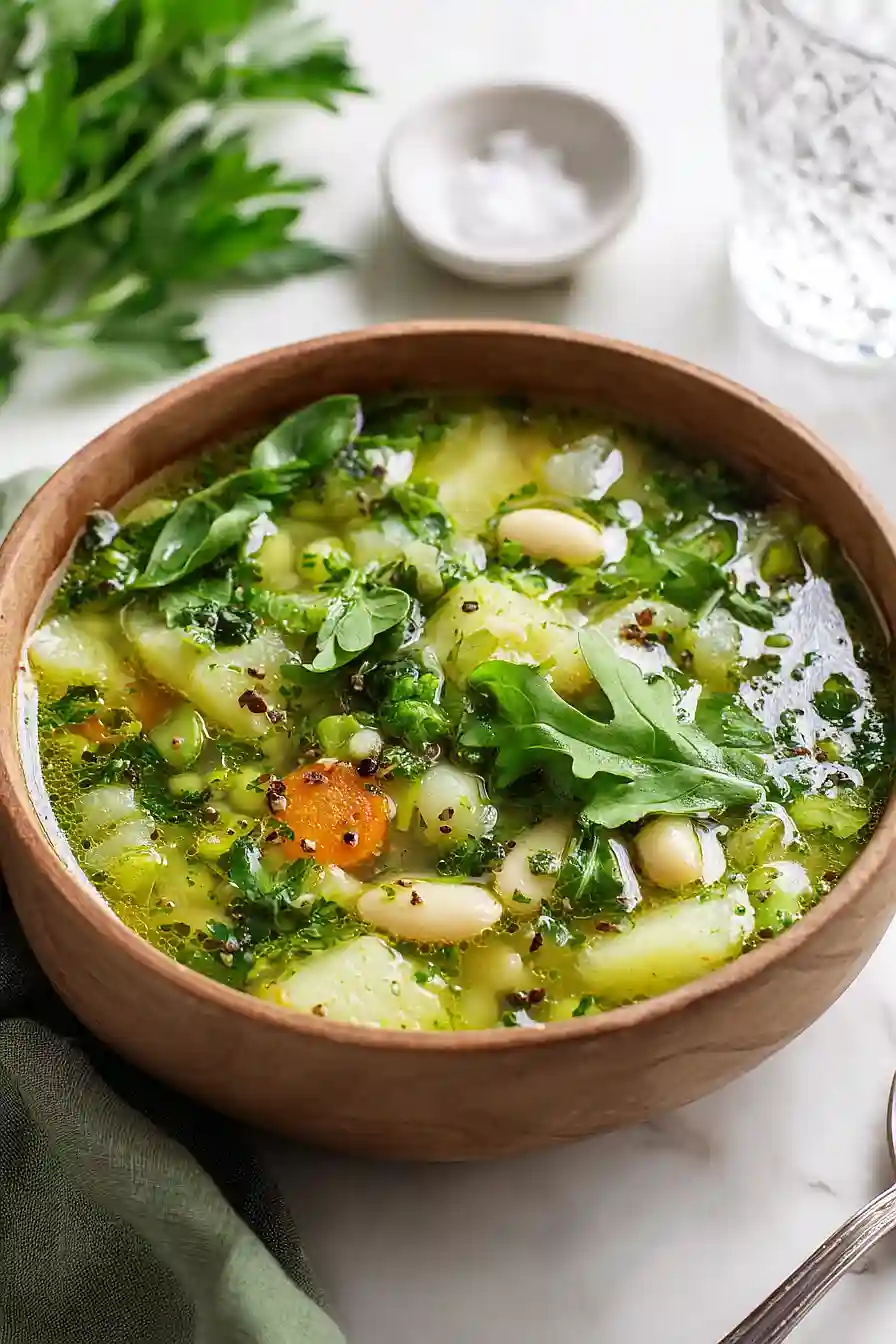
Options for Substitutions
This minestrone is pretty forgiving when it comes to swapping ingredients:
- Borlotti beans: Can’t find borlotti beans? Cannellini beans, kidney beans, or even chickpeas work great here. If using canned beans, drain and rinse them first.
- Cabbage: Feel free to use green cabbage, savoy cabbage, or even kale. If using kale, add it toward the end of cooking so it doesn’t get too soft.
- Pine nuts: Pine nuts can be pricey, so swap them with walnuts, almonds, or sunflower seeds for the pesto. Toast them lightly for better flavor.
- Arugula: Spinach or Swiss chard make good substitutes. Add them near the end of cooking since they wilt quickly.
- Parmesan rind: This adds great depth, but if you don’t have one, just skip it or add an extra tablespoon of grated parmesan at the end.
- Fresh herbs: If you’re short on fresh rosemary or thyme, use about 1 teaspoon of dried herbs for every tablespoon of fresh. Add dried herbs earlier in the cooking process.
- Vegetable stock: Water works in a pinch, but add an extra teaspoon of salt and maybe a splash of soy sauce for more flavor.
Watch Out for These Mistakes While Cooking
The biggest mistake when making minestrone is rushing the initial vegetable sauté – those first 10 minutes of cooking the onion, celery, and carrot are crucial for building a deep, sweet flavor base, so resist the urge to crank up the heat or skip ahead. Another common error is overcooking the potatoes, which can turn mushy and break down into the broth, so start checking them at the 8-minute mark and remove them from heat when they’re just tender with a slight bite. Don’t add the arugula too early or it will lose its fresh, peppery flavor and turn brown – stir it in right before serving so it just barely wilts. Finally, if your pesto tastes bitter, you likely over-blended it and heated up the basil, so pulse it in short bursts and scrape down the sides between pulses to keep everything cool and bright green.
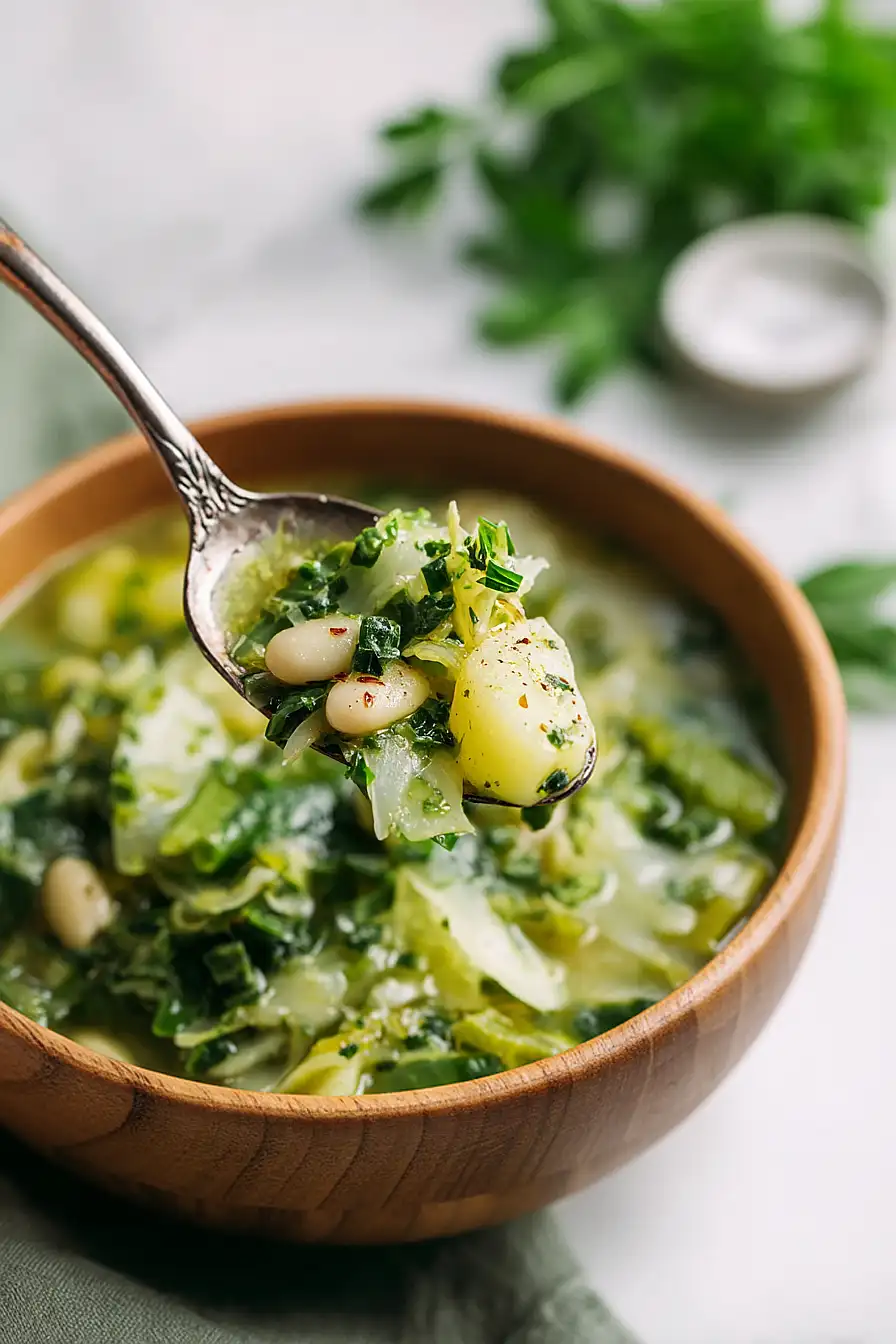
What to Serve With Minestrone?
This hearty minestrone is practically a meal on its own, but I love serving it with some crusty Italian bread or focaccia for dipping into all that flavorful broth. A simple side salad with mixed greens, cherry tomatoes, and a light vinaigrette keeps things fresh without weighing you down. If you want to make it more filling, add some grilled chicken on the side or serve it over a scoop of cooked pasta like small shells or elbows. Don’t forget to have extra parmesan cheese at the table for sprinkling on top – it really brings everything together!
Storage Instructions
Store: This minestrone actually gets better after a day or two in the fridge as all the flavors meld together. Keep it in an airtight container for up to 5 days. Just note that the veggies will soften a bit more over time, but that’s totally normal for soup.
Freeze: You can freeze this soup for up to 3 months, but I’d recommend leaving out the arugula and adding it fresh when you reheat. The potatoes might change texture slightly after freezing, but the soup will still taste great. Store it in freezer-safe containers or bags, leaving a bit of room at the top for expansion.
Reheat: Warm the soup gently on the stovetop over medium-low heat, stirring occasionally. You might need to add a splash of vegetable stock or water since it tends to thicken up in the fridge. Make fresh pesto or stir in any leftover pesto right before serving for the best flavor.
| Preparation Time | 15-20 minutes |
| Cooking Time | 20-30 minutes |
| Total Time | 35-50 minutes |
| Level of Difficulty | Medium |
| Servings | 6 servings |
Estimated Nutrition
Estimated nutrition for the whole recipe (without optional ingredients):
- Calories: 1450-1650
- Protein: 40-50 g
- Fat: 85-95 g
- Carbohydrates: 130-150 g
Ingredients
For the soup:
- 1 large onion (finely diced into 1/4-inch pieces)
- 5 garlic cloves
- 2 large carrots
- 2 celery stalks
- 2.5 cups cabbage (shredded into thin ribbons for better texture)
- 1 sprig fresh rosemary
- 10 sprigs fresh thyme
- 4 tbsp olive oil (I recommend Lucini Extra Virgin)
- 48 oz vegetable stock
- 2 cups potatoes (peeled and cut into 1/2-inch cubes)
- 2 tsp salt
- 15 oz borlotti beans
- 1 cup arugula
- 1.5 tsp black peppercorns
- 4 inches parmesan rind (adds a deep savory umami hit)
- 1/4 cup fresh parsley, chopped
For the pesto:
- 1 large bunch basil
- 1/3 cup pine nuts (toasted in a dry pan until golden brown)
- 1/2 cup olive oil
- 1 large lemon (zested and juiced for brightness)
- 1/3 cup parmesan (I always use Parmigiano Reggiano)
- 2 garlic cloves
- 1/2 tsp salt
Step 1: Prepare Mise en Place and Toast Pine Nuts
- 1 large onion
- 2 large carrots
- 2 celery stalks
- 2.5 cups cabbage
- 7 garlic cloves total
- 2 cups potatoes
- 1/4 cup fresh parsley
- 1 large bunch basil
- 1/3 cup pine nuts
Finely dice the onion into 1/4-inch pieces, peel and cut carrots into 1/2-inch rounds, chop celery stalks into 1/2-inch pieces, shred cabbage into thin ribbons, mince 5 garlic cloves, and chop 2 garlic cloves for the pesto (keep separate).
Peel and cut potatoes into 1/2-inch cubes.
Chop fresh parsley and measure out the basil leaves.
In a dry pan over medium heat, toast the pine nuts until golden brown, about 3-4 minutes, stirring frequently—this brings out their nutty flavor and prevents them from becoming bitter in the pesto.
Step 2: Build the Aromatic Base with the Soffritto
- 4 tbsp olive oil
- 1 large onion
- 2 large carrots
- 2 celery stalks
- 2 tsp salt
Heat 4 tablespoons of olive oil in a large pot over medium heat.
Once shimmering, add the diced onion, carrots, celery, and 2 teaspoons of salt.
Cook for 10 minutes, stirring occasionally, until the vegetables are softened and the onions become translucent—this creates the soffritto, the flavorful foundation of Italian soups.
I like to cook this gently so the vegetables release their sweetness without browning.
Step 3: Add Aromatics and Herbs for Depth
- 5 garlic cloves
- 1 sprig fresh rosemary
- 10 sprigs fresh thyme
- 1.5 tsp black peppercorns
Add the 5 minced garlic cloves, fresh rosemary sprig, thyme sprigs, and black peppercorns to the softened vegetables.
Stir constantly for about 1 minute until fragrant—the heat will bloom these aromatics and release their essential oils into the oil, building layers of flavor throughout the soup.
Step 4: Add Cabbage and Begin Building the Broth
- 2.5 cups cabbage
- 48 oz vegetable stock
- 4 inches parmesan rind
- 2 cups potatoes
Stir in the shredded cabbage and cook for 5-10 minutes until it begins to soften and wilt.
Then add the vegetable stock and parmesan rind (which adds a deep savory umami hit), followed by the potato cubes.
Bring the mixture to a simmer, then reduce heat to maintain a gentle simmer for about 10 minutes until the potatoes are completely tender and beginning to break apart slightly—this thickens the broth naturally.
Step 5: Finish the Soup with Beans and Arugula
- 15 oz borlotti beans
- 1 cup arugula
Add the borlotti beans (drained and rinsed from their can) and the arugula to the pot, stirring gently to combine.
Simmer for another 2-3 minutes just until the arugula wilts and the beans warm through.
Taste the soup and adjust seasoning with additional salt if needed.
Remove the rosemary sprig and discard it (the thyme sprigs will disperse throughout and are fine to leave).
Step 6: Prepare the Fresh Basil Pesto
- 1 large bunch basil
- 2 garlic cloves
- pine nuts
- 1/2 cup olive oil
- 1 large lemon
- 1/3 cup parmesan
- 1/2 tsp salt
While the soup finishes simmering, combine the basil leaves, 2 minced garlic cloves, toasted pine nuts from Step 1, 1/2 cup olive oil, lemon juice, lemon zest, 1/3 cup Parmigiano Reggiano, and 1/2 teaspoon salt in a food processor or blender.
Pulse until you reach a chunky-yet-cohesive consistency—I prefer to not over-blend pesto because the texture matters; you want flecks of basil and pine nuts visible, not a smooth paste.
Step 7: Plate and Serve
- Fresh basil pesto from Step 6
- 1/4 cup fresh parsley
Ladle the hot minestrone into serving bowls.
Top each bowl with a generous spoonful of fresh basil pesto and a sprinkle of the fresh chopped parsley.
The warm soup will slightly soften the pesto while keeping its vibrant color and fresh flavor intact.
Comforting Italian Green Minestrone di Verdure
Ingredients
For the soup::
- 1 large onion (finely diced into 1/4-inch pieces)
- 5 garlic cloves
- 2 large carrots
- 2 celery stalks
- 2.5 cups cabbage (shredded into thin ribbons for better texture)
- 1 sprig fresh rosemary
- 10 sprigs fresh thyme
- 4 tbsp olive oil (I recommend Lucini Extra Virgin)
- 48 oz vegetable stock
- 2 cups potatoes (peeled and cut into 1/2-inch cubes)
- 2 tsp salt
- 15 oz borlotti beans
- 1 cup arugula
- 1.5 tsp black peppercorns
- 4 inches parmesan rind (adds a deep savory umami hit)
- 1/4 cup fresh parsley, chopped
For the pesto::
- 1 large bunch basil
- 1/3 cup pine nuts (toasted in a dry pan until golden brown)
- 1/2 cup olive oil
- 1 large lemon (zested and juiced for brightness)
- 1/3 cup parmesan (I always use Parmigiano Reggiano)
- 2 garlic cloves
- 1/2 tsp salt
Instructions
- Finely dice the onion into 1/4-inch pieces, peel and cut carrots into 1/2-inch rounds, chop celery stalks into 1/2-inch pieces, shred cabbage into thin ribbons, mince 5 garlic cloves, and chop 2 garlic cloves for the pesto (keep separate). Peel and cut potatoes into 1/2-inch cubes. Chop fresh parsley and measure out the basil leaves. In a dry pan over medium heat, toast the pine nuts until golden brown, about 3-4 minutes, stirring frequently—this brings out their nutty flavor and prevents them from becoming bitter in the pesto.
- Heat 4 tablespoons of olive oil in a large pot over medium heat. Once shimmering, add the diced onion, carrots, celery, and 2 teaspoons of salt. Cook for 10 minutes, stirring occasionally, until the vegetables are softened and the onions become translucent—this creates the soffritto, the flavorful foundation of Italian soups. I like to cook this gently so the vegetables release their sweetness without browning.
- Add the 5 minced garlic cloves, fresh rosemary sprig, thyme sprigs, and black peppercorns to the softened vegetables. Stir constantly for about 1 minute until fragrant—the heat will bloom these aromatics and release their essential oils into the oil, building layers of flavor throughout the soup.
- Stir in the shredded cabbage and cook for 5-10 minutes until it begins to soften and wilt. Then add the vegetable stock and parmesan rind (which adds a deep savory umami hit), followed by the potato cubes. Bring the mixture to a simmer, then reduce heat to maintain a gentle simmer for about 10 minutes until the potatoes are completely tender and beginning to break apart slightly—this thickens the broth naturally.
- Add the borlotti beans (drained and rinsed from their can) and the arugula to the pot, stirring gently to combine. Simmer for another 2-3 minutes just until the arugula wilts and the beans warm through. Taste the soup and adjust seasoning with additional salt if needed. Remove the rosemary sprig and discard it (the thyme sprigs will disperse throughout and are fine to leave).
- While the soup finishes simmering, combine the basil leaves, 2 minced garlic cloves, toasted pine nuts from Step 1, 1/2 cup olive oil, lemon juice, lemon zest, 1/3 cup Parmigiano Reggiano, and 1/2 teaspoon salt in a food processor or blender. Pulse until you reach a chunky-yet-cohesive consistency—I prefer to not over-blend pesto because the texture matters; you want flecks of basil and pine nuts visible, not a smooth paste.
- Ladle the hot minestrone into serving bowls. Top each bowl with a generous spoonful of fresh basil pesto and a sprinkle of the fresh chopped parsley. The warm soup will slightly soften the pesto while keeping its vibrant color and fresh flavor intact.