Finding a hearty, comforting dinner that doesn’t require hours of hands-on cooking can feel impossible, especially on those busy weeknights when everyone’s starving and you’re running low on energy. And let’s be honest, getting a meal on the table that actually tastes like you put effort into it becomes even trickier when you’re juggling work deadlines and family schedules.
Thankfully, this German goulash delivers on all fronts: it’s rich and satisfying, mostly hands-off once everything’s in the pot, and works perfectly whether you’re feeding your family on a Tuesday night or meal prepping for the week ahead.
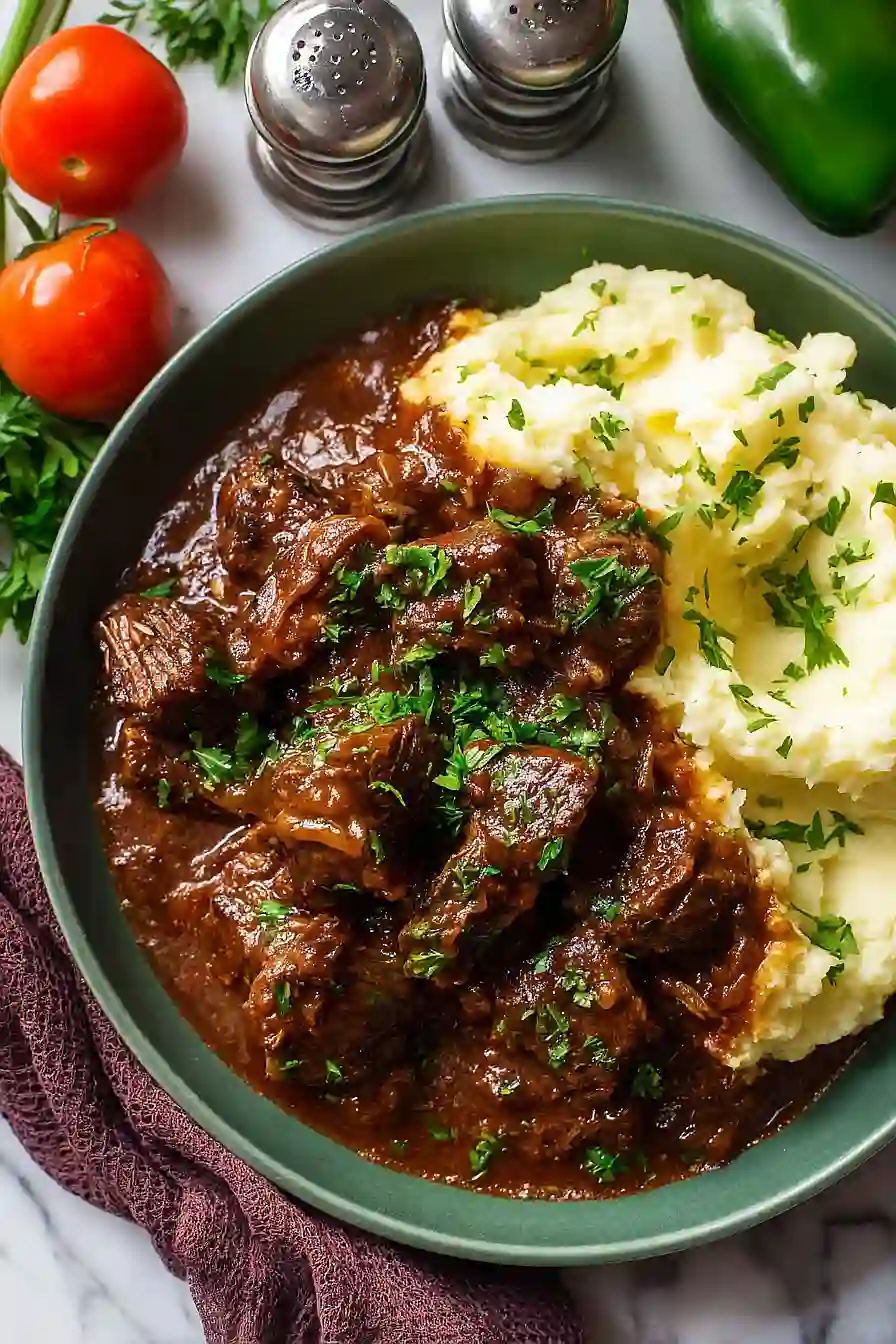
Why You’ll Love This German Goulash
- Rich, authentic flavors – The combination of paprika, marjoram, and caraway seeds creates that traditional German taste that’s warm and deeply satisfying.
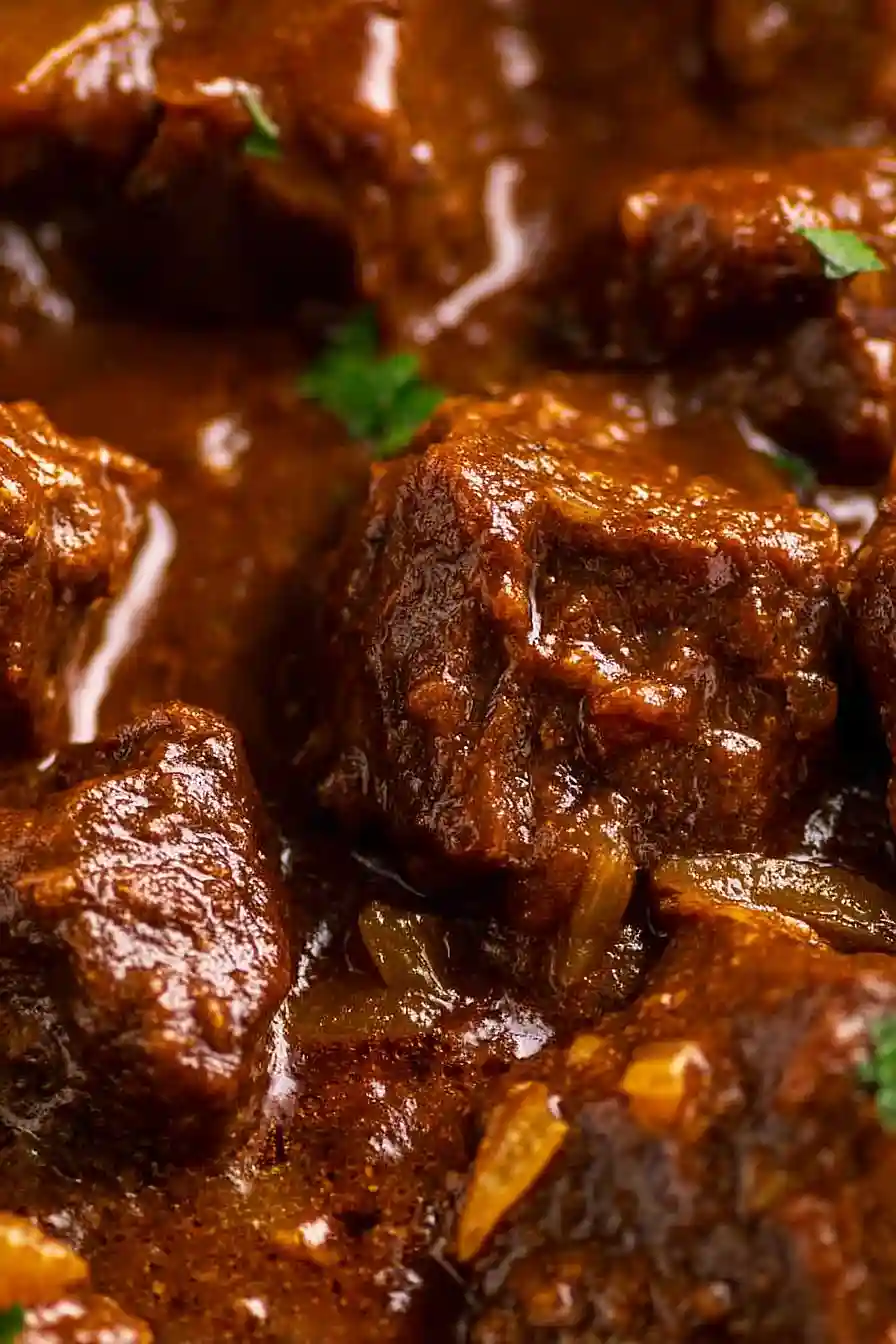
- Tender, melt-in-your-mouth beef – The slow cooking process transforms the beef into incredibly tender pieces that practically fall apart with your fork.
- Simple, everyday ingredients – You probably have most of these pantry staples and basic vegetables on hand already, making this an easy recipe to throw together.
- Perfect for meal prep – This goulash actually tastes even better the next day, so you can make a big batch and enjoy leftovers throughout the week.
- Hearty comfort food – This one-pot meal is filling and cozy, perfect for cold evenings when you want something that really sticks to your ribs.
What Kind of Beef Should I Use?
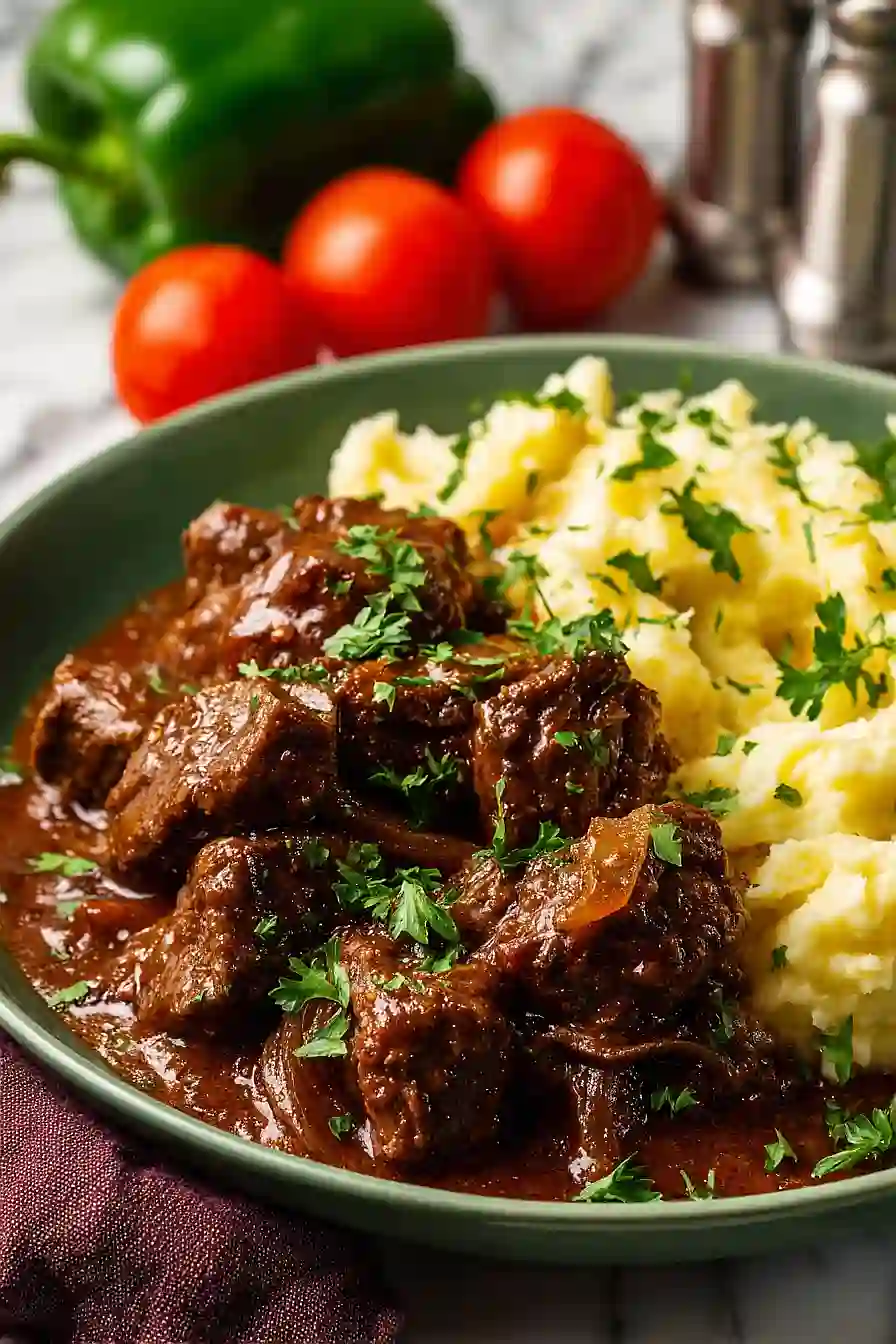
For German goulash, you’ll want to use a tougher cut of beef that becomes tender with slow cooking. Chuck roast is probably your best bet – it has enough marbling to stay moist and breaks down beautifully during the long simmer time. Beef stew meat from the grocery store also works well and saves you the trouble of cutting it yourself. If you’re feeling fancy, beef shank or short ribs will give you an even richer flavor, though they might cost a bit more. Whatever cut you choose, make sure to trim off any large chunks of fat and cut the meat into bite-sized pieces, about 1 to 1.5 inches, so they cook evenly.
Options for Substitutions
This goulash recipe is pretty forgiving, so here are some swaps you can make if needed:
- Beef: Chuck roast or beef shoulder work great here since they get tender with slow cooking. You can also use pork shoulder for a different twist, though cooking time might vary slightly.
- Paprika: Traditional Hungarian goulash calls for sweet paprika, but you can use a mix of sweet and smoked paprika for extra depth. Just don’t skip the paprika entirely – it’s what makes goulash taste like goulash.
- Red wine: If you don’t have red wine around, just use an extra half cup of beef broth. You’ll lose a bit of richness, but the dish will still turn out great.
- Marjoram: Can’t find marjoram? Oregano works as a substitute, though it has a slightly different flavor profile. Use the same amount.
- Caraway seeds: These add an authentic flavor, but if you’re not a fan or don’t have them, you can leave them out. The goulash will still be tasty without them.
- Green pepper: Red or yellow bell peppers work just as well and add a bit more sweetness to the dish.
Watch Out for These Mistakes While Cooking
The biggest mistake when making goulash is rushing the onions – they need those full 15-20 minutes to caramelize properly, which builds the deep, sweet flavor that makes this dish special.
Another common error is cutting your beef into pieces that are too small, as they’ll dry out during the long cooking time – aim for 1.5 to 2-inch cubes that can handle the slow braise.
Don’t skip searing the beef in batches if needed, since overcrowding the pot will cause the meat to steam instead of brown, and you’ll miss out on those flavorful browned bits.
Finally, resist the urge to fully cover the pot with the lid – leaving it partially open allows excess liquid to evaporate and concentrates the flavors, giving you a thick, rich sauce instead of a watery stew.
What to Serve With German Goulash?
German goulash is a hearty stew that pairs perfectly with something starchy to soak up all that rich, paprika-infused sauce. My go-to is serving it over egg noodles or spaetzle, which are traditional German dumplings that you can find at most grocery stores or make at home if you’re feeling ambitious. Mashed potatoes or crusty bread also work great for mopping up the sauce. For a lighter side, try a simple cucumber salad with dill and sour cream, or some pickled vegetables to cut through the richness of the beef.
Storage Instructions
Store: German goulash actually tastes even better the next day after all those flavors have had time to meld together. Keep it in an airtight container in the fridge for up to 4 days. I like to make a big batch on Sunday and enjoy it throughout the week with different sides.
Freeze: This is one of those dishes that freezes really well, making it perfect for meal prep. Let it cool completely, then portion it into freezer-safe containers or bags and freeze for up to 3 months. Just leave a little room at the top since it’ll expand as it freezes.
Reheat: Warm it up gently on the stovetop over medium-low heat, stirring occasionally and adding a splash of beef broth if it seems too thick. You can also use the microwave, but I find the stovetop gives you better control and keeps the meat tender.
| Preparation Time | 30-40 minutes |
| Cooking Time | 90-120 minutes |
| Total Time | 130-180 minutes |
| Level of Difficulty | Medium |
| Servings | 7 servings |
Estimated Nutrition
Estimated nutrition for the whole recipe (without optional ingredients):
- Calories: 1950-2150
- Protein: 160-180 g
- Fat: 110-125 g
- Carbohydrates: 85-100 g
Ingredients
For the goulash:
- 1.75 lb onions (finely diced into 1/4-inch pieces to melt into the sauce)
- 2 tbsp olive oil (I prefer Bertolli Extra Virgin for sauting)
- 2 lb beef (cut into 1.5-inch cubes for even cooking)
- 0.5 green pepper
- 4 garlic cloves
- 0.5 tomato
- 1 tsp salt
- 0.75 tsp black pepper
- 2.5 tbsp paprika (I always use pride of Szeged Hungarian Sweet Paprika)
- 2 tsp marjoram
- 1.25 tsp caraway seed (crushed slightly to release the aromatic oils)
- 2 tbsp tomato paste
- 2 cups beef broth (I use Kitchen Basics unsalted for better salt control)
- 0.5 cup red wine
- 1 bay leaf
- 1 tsp red wine vinegar
For the garnish:
- 0.25 cup fresh parsley
Step 1: Prepare Mise en Place and Aromatics
- 1.75 lb onions
- 2 lb beef
- 4 garlic cloves
- 0.5 green pepper
- 0.5 tomato
- 1.25 tsp caraway seed
Dice the onions into 1/4-inch pieces, cut the beef into 1.5-inch cubes, mince the garlic cloves, dice the green pepper, chop the tomato, and crush the caraway seeds slightly to release their aromatic oils.
Having everything prepped and ready will make the cooking process smooth and allow you to focus on developing flavor through proper technique.
Step 2: Caramelize Onions and Build Flavor Base
- 2 tbsp olive oil
- 1.75 lb onions
- 1 tsp salt
Heat the olive oil in a large, heavy pot or Dutch oven over medium heat.
Add the diced onions and 1 tsp salt, then cook for 15-20 minutes, stirring occasionally, until they’re deeply golden and starting to caramelize.
This slow cooking melts the onions into a sweet, savory base that will become part of the sauce itself.
I always use extra virgin olive oil for sautéing because it adds a subtle richness that complements the paprika beautifully.
Step 3: Sear the Beef and Develop Crust
- 2 lb beef
- 0.75 tsp black pepper
Push the caramelized onions to the side of the pot and increase heat to medium-high.
Add the cubed beef directly to the hot oil in a single layer, season with 0.75 tsp black pepper, and sear for 5-10 minutes without stirring too much—you want to develop a brown crust on each piece.
The beef doesn’t need to be cooked through; you’re just building flavorful color that will make the final dish taste richer.
Step 4: Build the Goulash Sauce
- 2.5 tbsp paprika
- 2 tsp marjoram
- 1.25 tsp caraway seed
- 2 tbsp tomato paste
Return all the seared beef and caramelized onions together in the pot, then add the paprika, marjoram, and crushed caraway seeds.
Stir constantly for about 1 minute to toast the spices and bloom their flavors—this prevents the paprika from tasting raw.
Then add the tomato paste and stir for another minute.
For an authentic Hungarian goulash, I always use Pride of Szeged Hungarian Sweet Paprika because it has the perfect balance of sweetness and depth that casual paprika can’t match.
Step 5: Combine Liquids and Add Remaining Ingredients
- 2 cups beef broth
- 0.5 cup red wine
- 0.5 green pepper
- 0.5 tomato
- 4 garlic cloves
- 1 bay leaf
Pour in the beef broth and red wine, then add the chopped green pepper, diced tomato, minced garlic, and bay leaf.
Stir everything together until well combined, and bring the mixture to a boil over medium-high heat.
The wine adds acidity and complexity while the broth creates the sauce base.
I use unsalted broth because it gives me better control over the final seasoning.
Step 6: Braise in the Oven Until Tender
Preheat your oven to 325°F.
Once the goulash comes to a boil, place the lid on the pot and partially crack it open (or tilt it slightly) to allow some steam to escape while trapping enough heat to braise gently.
Transfer the pot to the oven and cook for 1.5 hours until the beef is tender and the flavors have melded together.
The low, moist heat creates incredibly tender meat while the sauce develops deep, complex flavor.
Step 7: Finish and Serve
- 1 tsp red wine vinegar
- 0.25 cup fresh parsley
Remove the goulash from the oven and stir in the red wine vinegar to brighten the flavors—it cuts through the richness and adds a subtle tang that makes everything taste more vibrant.
Taste and adjust seasoning if needed.
Remove the bay leaf, then top with fresh chopped parsley and serve alongside egg noodles, buttered noodles, or creamy mashed potatoes.
The parsley adds a fresh note that balances the deep, savory sauce.
Beef German Goulash
Ingredients
For the goulash
- 1.75 lb onions (finely diced into 1/4-inch pieces to melt into the sauce)
- 2 tbsp olive oil (I prefer Bertolli Extra Virgin for sauting)
- 2 lb beef (cut into 1.5-inch cubes for even cooking)
- 0.5 green pepper
- 4 garlic cloves
- 0.5 tomato
- 1 tsp salt
- 0.75 tsp black pepper
- 2.5 tbsp paprika (I always use pride of Szeged Hungarian Sweet Paprika)
- 2 tsp marjoram
- 1.25 tsp caraway seed (crushed slightly to release the aromatic oils)
- 2 tbsp tomato paste
- 2 cups beef broth (I use Kitchen Basics unsalted for better salt control)
- 0.5 cup red wine
- 1 bay leaf
- 1 tsp red wine vinegar
For the garnish
- 0.25 cup fresh parsley
Instructions
- Dice the onions into 1/4-inch pieces, cut the beef into 1.5-inch cubes, mince the garlic cloves, dice the green pepper, chop the tomato, and crush the caraway seeds slightly to release their aromatic oils. Having everything prepped and ready will make the cooking process smooth and allow you to focus on developing flavor through proper technique.
- Heat the olive oil in a large, heavy pot or Dutch oven over medium heat. Add the diced onions and 1 tsp salt, then cook for 15-20 minutes, stirring occasionally, until they're deeply golden and starting to caramelize. This slow cooking melts the onions into a sweet, savory base that will become part of the sauce itself. I always use extra virgin olive oil for sautéing because it adds a subtle richness that complements the paprika beautifully.
- Push the caramelized onions to the side of the pot and increase heat to medium-high. Add the cubed beef directly to the hot oil in a single layer, season with 0.75 tsp black pepper, and sear for 5-10 minutes without stirring too much—you want to develop a brown crust on each piece. The beef doesn't need to be cooked through; you're just building flavorful color that will make the final dish taste richer.
- Return all the seared beef and caramelized onions together in the pot, then add the paprika, marjoram, and crushed caraway seeds. Stir constantly for about 1 minute to toast the spices and bloom their flavors—this prevents the paprika from tasting raw. Then add the tomato paste and stir for another minute. For an authentic Hungarian goulash, I always use Pride of Szeged Hungarian Sweet Paprika because it has the perfect balance of sweetness and depth that casual paprika can't match.
- Pour in the beef broth and red wine, then add the chopped green pepper, diced tomato, minced garlic, and bay leaf. Stir everything together until well combined, and bring the mixture to a boil over medium-high heat. The wine adds acidity and complexity while the broth creates the sauce base. I use unsalted broth because it gives me better control over the final seasoning.
- Preheat your oven to 325°F. Once the goulash comes to a boil, place the lid on the pot and partially crack it open (or tilt it slightly) to allow some steam to escape while trapping enough heat to braise gently. Transfer the pot to the oven and cook for 1.5 hours until the beef is tender and the flavors have melded together. The low, moist heat creates incredibly tender meat while the sauce develops deep, complex flavor.
- Remove the goulash from the oven and stir in the red wine vinegar to brighten the flavors—it cuts through the richness and adds a subtle tang that makes everything taste more vibrant. Taste and adjust seasoning if needed. Remove the bay leaf, then top with fresh chopped parsley and serve alongside egg noodles, buttered noodles, or creamy mashed potatoes. The parsley adds a fresh note that balances the deep, savory sauce.