If you ask me, freezer meals are one of the best ways to make weeknight dinners easier.
This Greek-inspired chicken dish comes together quickly and stores beautifully in your freezer until you’re ready to use it. Tender chicken and russet potatoes get coated in a lemon and herb marinade with oregano, dill, and garlic.
The olive oil keeps everything moist while the fresh lemon juice adds a nice tangy kick. A handful of fresh parsley brightens up the whole meal.
It’s a straightforward recipe that tastes like you spent hours in the kitchen, perfect for those busy nights when you need dinner on the table fast.
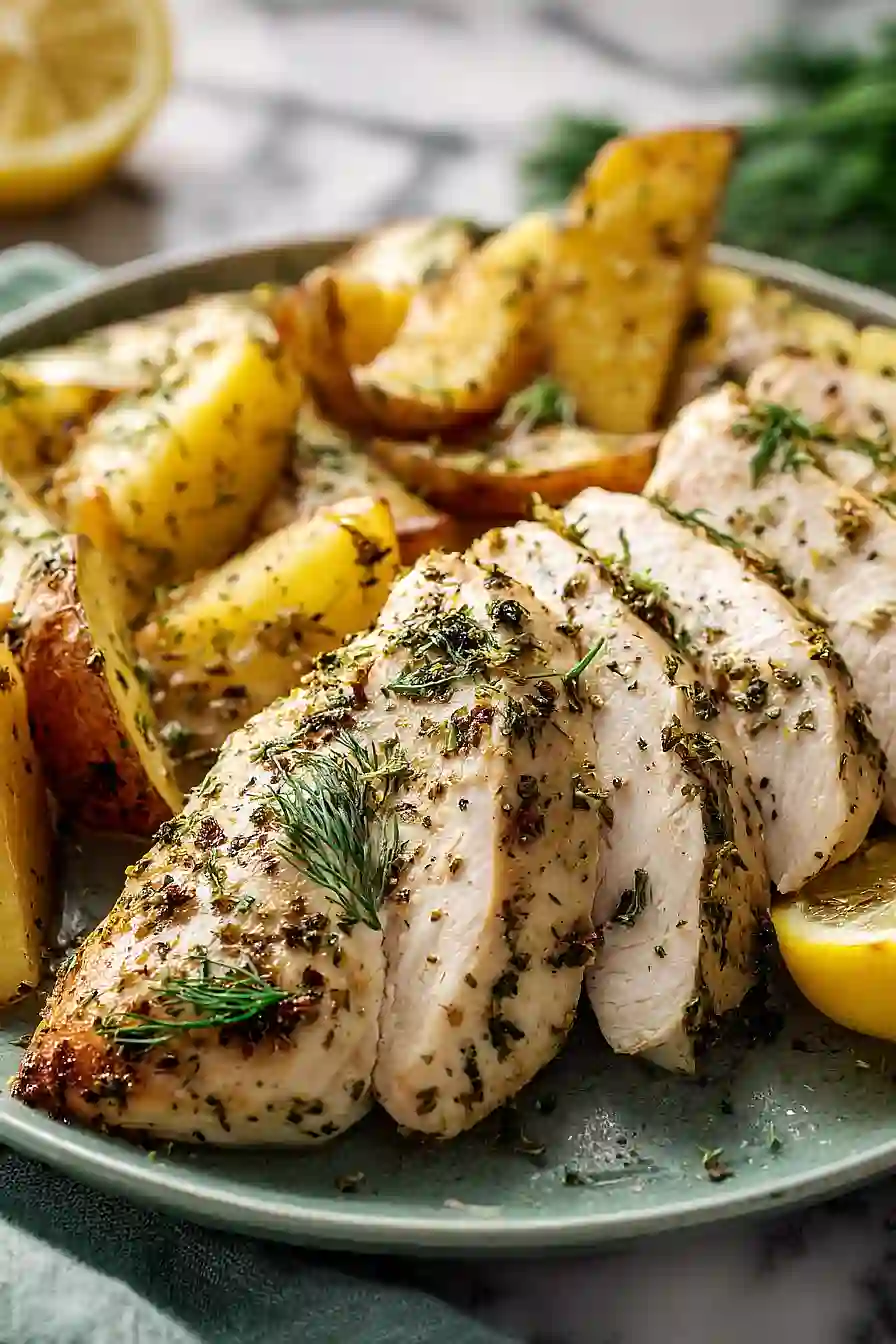
Why You’ll Love This Greek Chicken Freezer Meal
- Freezer-friendly convenience – Prep this meal ahead of time and stash it in your freezer for those busy weeknights when you need dinner on the table fast.
- Simple pantry ingredients – You probably already have most of these staples in your kitchen—no need for a special trip to the store.
- Quick cooking time – From freezer to table in under an hour, this meal comes together faster than ordering takeout.
- Healthy and protein-packed – Lean chicken breast paired with potatoes and Mediterranean flavors makes for a balanced dinner that’s naturally gluten-free.
- Flavorful Greek-inspired taste – The combination of lemon, oregano, and dill brings bright, fresh flavors that make this anything but boring weeknight chicken.
What Kind of Chicken Should I Use?
For this Greek chicken freezer meal, boneless, skinless chicken breasts are your best bet since they’re easy to portion and freeze well. You can also swap in chicken thighs if you prefer dark meat – they tend to stay a bit more moist after freezing and reheating. If you’re buying fresh chicken, look for pieces that are similar in size so they cook evenly, or you can even cut larger breasts in half to create more uniform portions. And don’t worry if frozen chicken is all you have on hand – just make sure to thaw it completely before prepping your freezer meal so everything marinates properly.
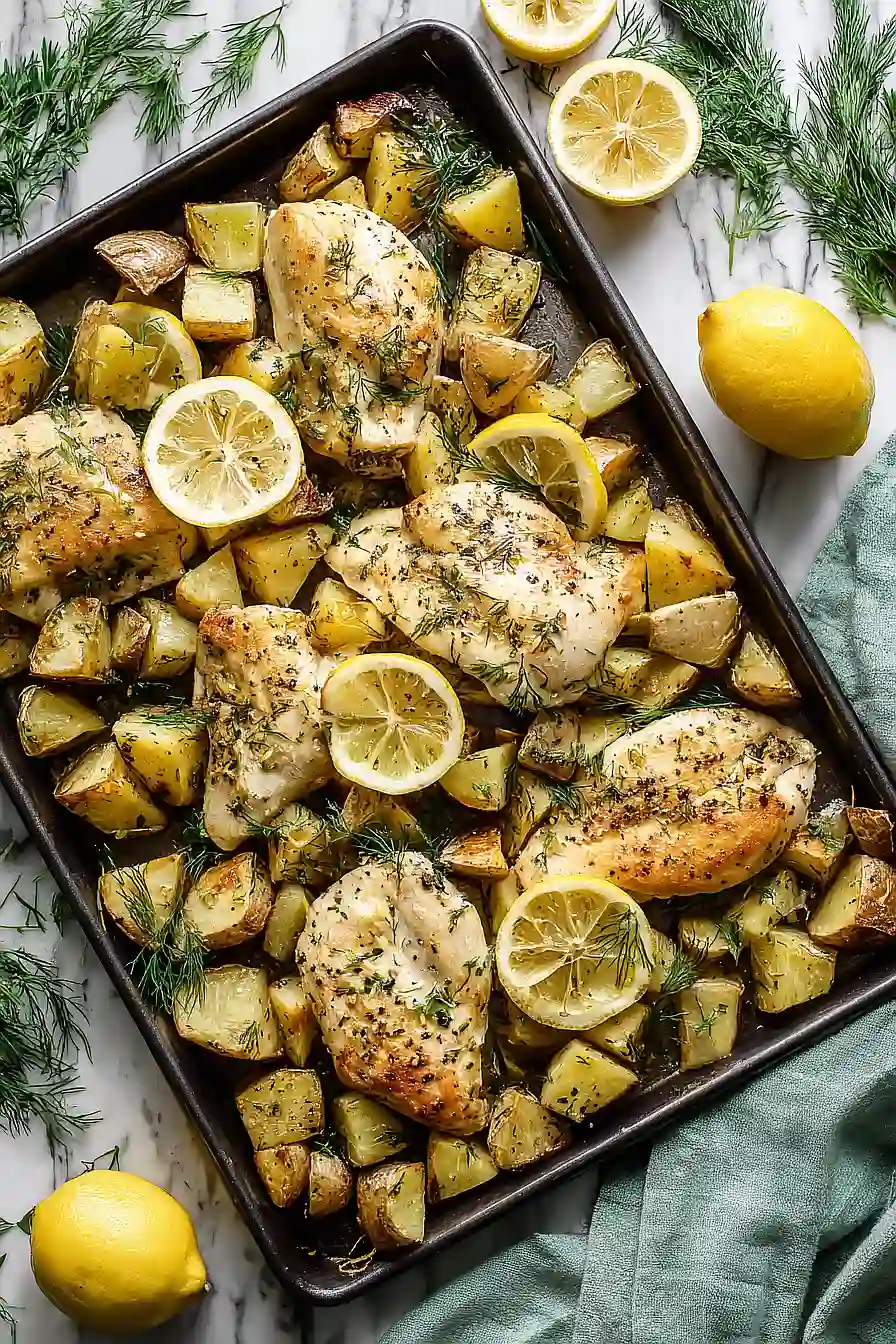
Options for Substitutions
This Greek chicken freezer meal is pretty forgiving when it comes to swaps:
- Russet potatoes: You can use Yukon gold or red potatoes instead. They’ll hold their shape a bit better during cooking, which some people prefer. Just cut them to similar sizes as you would the russets.
- Chicken breast: Chicken thighs work great here and actually stay more moist during freezing and reheating. You can use boneless, skinless thighs as a direct swap – just keep the weight around 2 pounds.
- Dried oregano and dill: If you have fresh herbs on hand, use triple the amount (so 3 tablespoons each). Fresh herbs will give you a brighter flavor, but the dried versions work perfectly fine for a freezer meal.
- Lemon juice: Fresh lemon juice is best, but bottled works in a pinch. You can also use white wine vinegar if that’s what you have – it’ll still give you that tangy kick.
- Garlic powder: Fresh garlic (about 4-5 cloves, minced) can replace the powder if you prefer. Just note that fresh garlic can get stronger in the freezer, so you might want to use slightly less.
Watch Out for These Mistakes While Cooking
The biggest mistake with this freezer meal is over-boiling the potatoes in step one, which can make them mushy after baking – they should still be firm in the center since they’ll finish cooking in the oven later.
When you’re ready to cook, make sure to thaw the meal completely in the refrigerator overnight rather than trying to speed things up at room temperature, as partially frozen chicken won’t cook evenly and could end up dry on the outside while undercooked inside.
Don’t skip checking the internal temperature with a meat thermometer – pull the chicken at 160°F instead of waiting for 165°F, since it will continue cooking for a few minutes after you remove it from the oven.
Finally, keep a close eye during the broiling step because those few minutes can quickly turn from golden brown to burnt, especially with the lemon juice in the marinade.
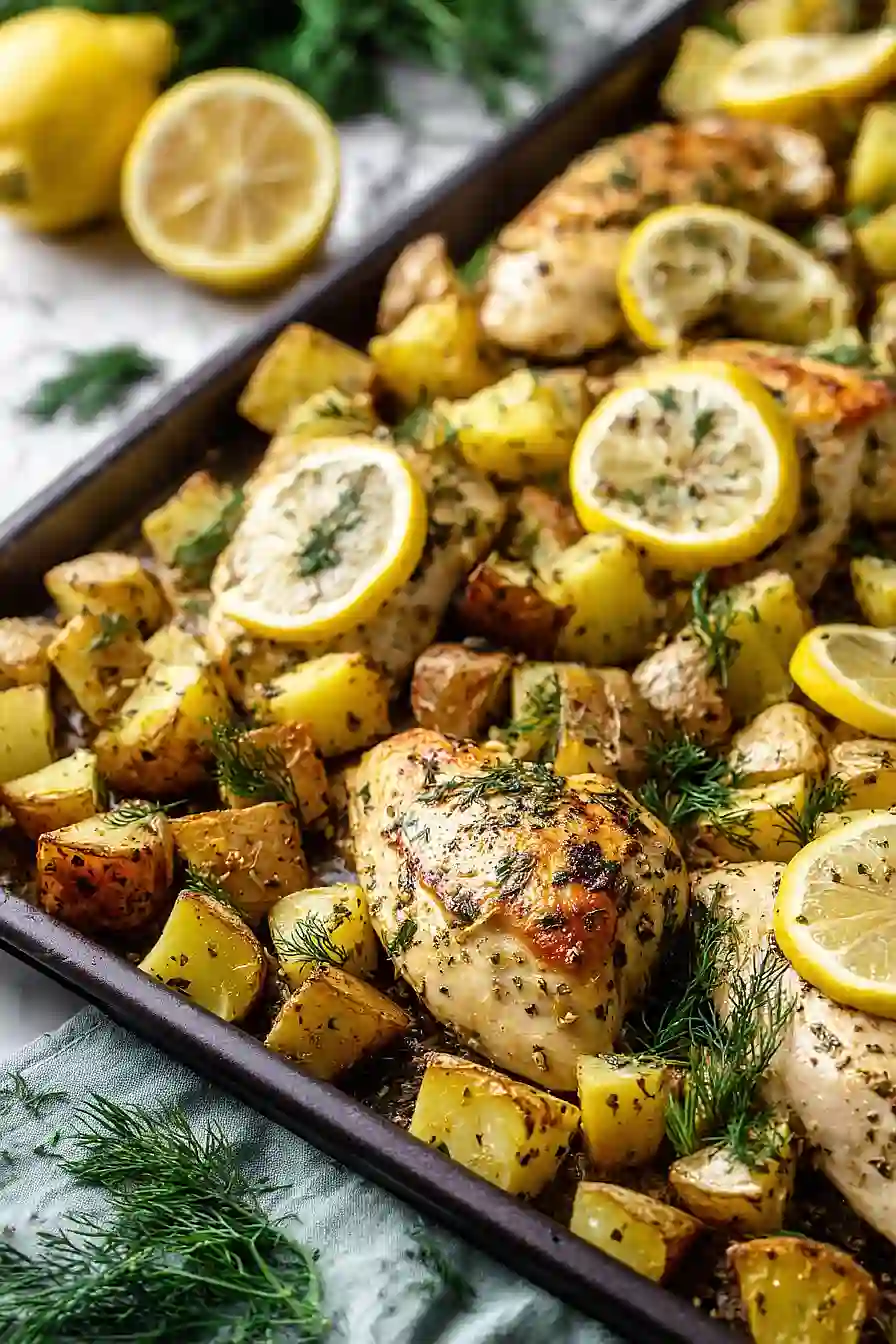
What to Serve With Greek Chicken?
This Greek chicken pairs beautifully with a simple Greek salad made with cucumbers, tomatoes, red onion, and feta cheese tossed in a light lemon vinaigrette. Since the meal already includes potatoes, you might want to add some warm pita bread on the side for scooping up any extra sauce and juices from the chicken. A dollop of tzatziki sauce (that cool yogurt and cucumber dip) is perfect for drizzling over everything, and it really brings out those Mediterranean flavors. If you want to add more veggies to the plate, some roasted or grilled zucchini seasoned with a bit of olive oil and oregano would round out the meal nicely.
Storage Instructions
Freeze: This Greek chicken freezer meal is perfect for prepping ahead. Combine the chicken with the marinade ingredients in a large freezer bag, squeeze out the air, and freeze flat for up to 3 months. When you’re ready to cook, just thaw it overnight in the fridge and you’re good to go.
Store Leftovers: After cooking, let everything cool down and store the chicken and potatoes in separate airtight containers in the fridge for up to 4 days. The potatoes might lose a bit of their crispiness, but the flavors will still be great.
Serve: Reheat the chicken and potatoes in the oven at 350°F for about 15 minutes to bring back some of that crispy texture. You can also use the microwave if you’re in a hurry, though the potatoes won’t be quite as crispy. Garnish with fresh parsley right before serving.
| Preparation Time | 20-30 minutes |
| Cooking Time | 20-25 minutes |
| Total Time | 40-55 minutes |
| Level of Difficulty | Medium |
| Servings | 4 servings |
Estimated Nutrition
Estimated nutrition for the whole recipe (without optional ingredients):
- Calories: 1700-1850
- Protein: 200-220 g
- Fat: 55-65 g
- Carbohydrates: 80-95 g
Ingredients
For the chicken and potatoes:
- 1.75 lb russet potatoes (peeled and cut into 1-inch chunks to ensure even cooking)
- 2.25 lb chicken breast
- 1.5 tbsp salt
- fresh parsley (finely chopped, about 1/4-inch pieces)
For the marinade:
- 0.33 cup olive oil (I prefer Bertolli Extra Virgin for a robust flavor)
- 2.5 tbsp lemon juice (freshly squeezed for best acidity)
- 1.5 tbsp dried oregano
- 1.25 tbsp garlic powder
- 1.25 tbsp dried dill (I use McCormick dried herbs for consistent quality)
- 1.25 tbsp salt
- 0.5 tsp black pepper
Step 1: Prepare Ingredients and Parboil Potatoes
- 1.75 lb russet potatoes
- 1.5 tbsp salt
Peel and cut the russet potatoes into 1-inch chunks—this size ensures they cook evenly alongside the chicken.
Bring a pot of salted water to a boil and add the potatoes, cooking for exactly 6 minutes.
This partial cooking step is crucial for a freezer meal because it jump-starts the cooking process and ensures the potatoes will be tender when you eventually bake the dish, preventing undercooked, hard centers.
Drain the potatoes well and spread them on a clean kitchen towel or paper towels to cool completely—this prevents excess moisture from diluting your marinade and affecting the freezing process.
Step 2: Prepare Chicken and Build the Marinade
- 2.25 lb chicken breast
- 0.33 cup olive oil
- 2.5 tbsp lemon juice
- 1.25 tbsp salt
- 1.5 tbsp dried oregano
- 1.25 tbsp garlic powder
- 1.25 tbsp dried dill
- 0.5 tsp black pepper
While potatoes cool, pat the chicken breasts dry with paper towels and cut them into bite-sized pieces or leave them whole depending on your preference—smaller pieces freeze and thaw more evenly.
In a large bowl, whisk together the olive oil, freshly squeezed lemon juice, salt, dried oregano, garlic powder, and dried dill until well combined.
I like to make the marinade in a bowl large enough to hold all your ingredients because it makes coating everything easier and more efficient.
The acidity from fresh lemon juice is key here—it helps preserve the chicken during freezing and will brighten the final dish.
Step 3: Coat and Assemble for Freezing
- cooled potatoes from Step 1
- prepared chicken from Step 2
- marinade mixture from Step 2
Add the cooled potatoes and prepared chicken to the bowl with the marinade and toss everything together until all pieces are evenly coated.
Make sure every piece of chicken and potato is touched by the marinade—this is where the flavor comes from and it protects the meat during freezing.
Transfer the entire mixture into freezer-safe bags or containers, pressing out as much air as possible to prevent freezer burn.
Label with the date and contents, then freeze until ready to cook—this meal will keep well for up to 3 months.
Step 4: Thaw and Prepare for Baking
- thawed chicken and potato mixture from Step 3
When ready to cook, transfer the frozen meal to the refrigerator and thaw completely overnight or for at least 8 hours.
This slow thaw ensures even cooking and food safety.
Preheat your oven to 400°F about 15 minutes before baking.
Spread the thawed chicken and potatoes on a single layer of a large baking sheet or roasting pan, arranging them in a relatively even layer so heat circulates properly around each piece.
Step 5: Bake Until Chicken Reaches Safe Temperature
- chicken and potato mixture on baking sheet
Place the baking sheet in the preheated 400°F oven and bake for 20-25 minutes, stirring occasionally for even browning.
The chicken is done when it reaches an internal temperature of 165°F when measured with a meat thermometer at the thickest part.
The potatoes should be golden and tender at this point.
If the chicken is cooked through but the potatoes need more time, you can tent the pan loosely with foil and continue baking a few minutes longer.
Step 6: Finish with Broil and Fresh Parsley
- fresh parsley
Switch your oven to broil and place the pan under the broiler for 3-5 minutes, watching carefully to prevent burning.
This quick broil step adds a nice caramelized, golden finish to the chicken and potatoes.
Remove from the oven immediately and top generously with freshly chopped parsley just before serving—the fresh herb brightens the dish and provides a nice color contrast against the golden chicken.
Oregano Greek Chicken Freezer Meal
Ingredients
For the chicken and potatoes::
- 1.75 lb russet potatoes (peeled and cut into 1-inch chunks to ensure even cooking)
- 2.25 lb chicken breast
- 1.5 tbsp salt
- fresh parsley (finely chopped, about 1/4-inch pieces)
For the marinade::
- 0.33 cup olive oil (I prefer Bertolli Extra Virgin for a robust flavor)
- 2.5 tbsp lemon juice (freshly squeezed for best acidity)
- 1.5 tbsp dried oregano
- 1.25 tbsp garlic powder
- 1.25 tbsp dried dill (I use McCormick dried herbs for consistent quality)
- 1.25 tbsp salt
- 0.5 tsp black pepper
Instructions
- Peel and cut the russet potatoes into 1-inch chunks—this size ensures they cook evenly alongside the chicken. Bring a pot of salted water to a boil and add the potatoes, cooking for exactly 6 minutes. This partial cooking step is crucial for a freezer meal because it jump-starts the cooking process and ensures the potatoes will be tender when you eventually bake the dish, preventing undercooked, hard centers. Drain the potatoes well and spread them on a clean kitchen towel or paper towels to cool completely—this prevents excess moisture from diluting your marinade and affecting the freezing process.
- While potatoes cool, pat the chicken breasts dry with paper towels and cut them into bite-sized pieces or leave them whole depending on your preference—smaller pieces freeze and thaw more evenly. In a large bowl, whisk together the olive oil, freshly squeezed lemon juice, salt, dried oregano, garlic powder, and dried dill until well combined. I like to make the marinade in a bowl large enough to hold all your ingredients because it makes coating everything easier and more efficient. The acidity from fresh lemon juice is key here—it helps preserve the chicken during freezing and will brighten the final dish.
- Add the cooled potatoes and prepared chicken to the bowl with the marinade and toss everything together until all pieces are evenly coated. Make sure every piece of chicken and potato is touched by the marinade—this is where the flavor comes from and it protects the meat during freezing. Transfer the entire mixture into freezer-safe bags or containers, pressing out as much air as possible to prevent freezer burn. Label with the date and contents, then freeze until ready to cook—this meal will keep well for up to 3 months.
- When ready to cook, transfer the frozen meal to the refrigerator and thaw completely overnight or for at least 8 hours. This slow thaw ensures even cooking and food safety. Preheat your oven to 400°F about 15 minutes before baking. Spread the thawed chicken and potatoes on a single layer of a large baking sheet or roasting pan, arranging them in a relatively even layer so heat circulates properly around each piece.
- Place the baking sheet in the preheated 400°F oven and bake for 20-25 minutes, stirring occasionally for even browning. The chicken is done when it reaches an internal temperature of 165°F when measured with a meat thermometer at the thickest part. The potatoes should be golden and tender at this point. If the chicken is cooked through but the potatoes need more time, you can tent the pan loosely with foil and continue baking a few minutes longer.
- Switch your oven to broil and place the pan under the broiler for 3-5 minutes, watching carefully to prevent burning. This quick broil step adds a nice caramelized, golden finish to the chicken and potatoes. Remove from the oven immediately and top generously with freshly chopped parsley just before serving—the fresh herb brightens the dish and provides a nice color contrast against the golden chicken.