As someone who’s spent countless weekends exploring America’s national parks over the past five years, I’m often asked which ones are worth visiting for a quick getaway. The truth is, picking favorites from our country’s 63 national parks feels a bit like choosing between children – they’re all special in their own way.
“The beauty of our national park system is that each park tells its own unique story,” says Sarah Thompson, a park ranger I met at Yellowstone who’s worked across six different parks. “From desert landscapes to alpine meadows, ancient forests to coastal cliffs – every weekend trip offers something completely different from the last.”
While you could spend a lifetime exploring all our national parks, sometimes you just need a quick escape from the daily grind. That’s why I’ve put together this list of 15 national parks that are perfect for weekend adventures, each one offering its own slice of American wilderness without requiring too much time off work.
Yosemite National Park, California
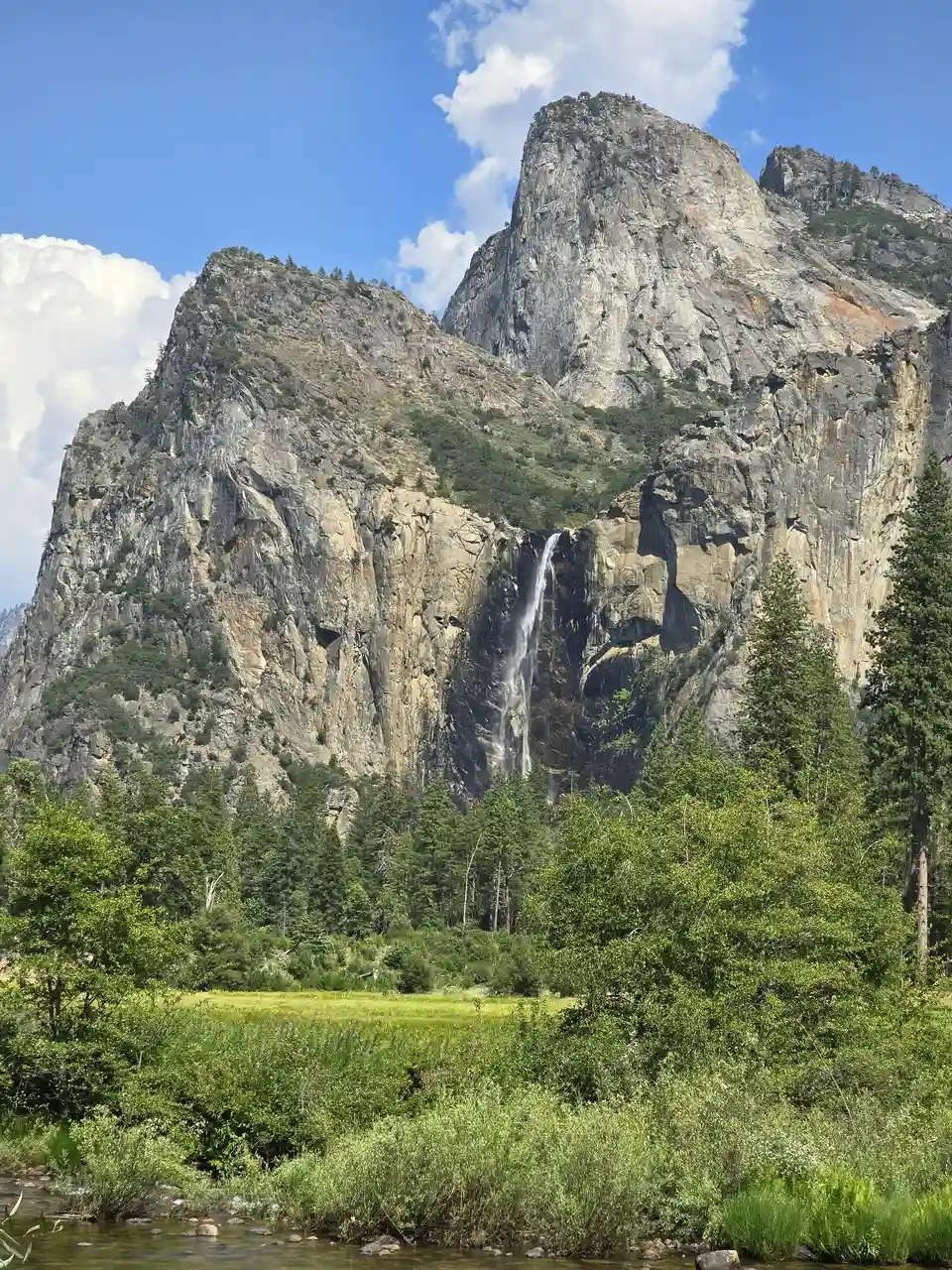
Ever stood beneath a waterfall taller than a 100-story building? That’s just another Tuesday at Yosemite National Park, where El Capitan’s granite face towers over the valley floor like nature’s own skyscraper. Just a 4-hour drive from San Francisco, this slice of Sierra Nevada paradise draws rock climbers, hikers, and nature lovers year-round. Whether you’re watching climbers tackle Half Dome’s famous cables or having a picnic beneath ancient sequoias in Mariposa Grove, you’ll find yourself wondering how a place this wild still exists in California. The park’s meadows turn into natural ice rinks in winter, while spring sees waterfalls at full force – and if you’re lucky, you might spot a black bear ambling through the valley like it owns the place (which it kind of does).
Acadia National Park, Maine

I always tell outdoor enthusiasts to head straight to Acadia National Park in Maine. Perched along the rugged Atlantic coast, this compact park packs in rocky beaches, granite peaks, and dense forests that come alive with red and gold colors each fall. The 27-mile Park Loop Road connects you to major sites like Sand Beach, Thunder Hole, and Cadillac Mountain – the first spot in the US to see the sunrise each morning.
Zion National Park, Utah
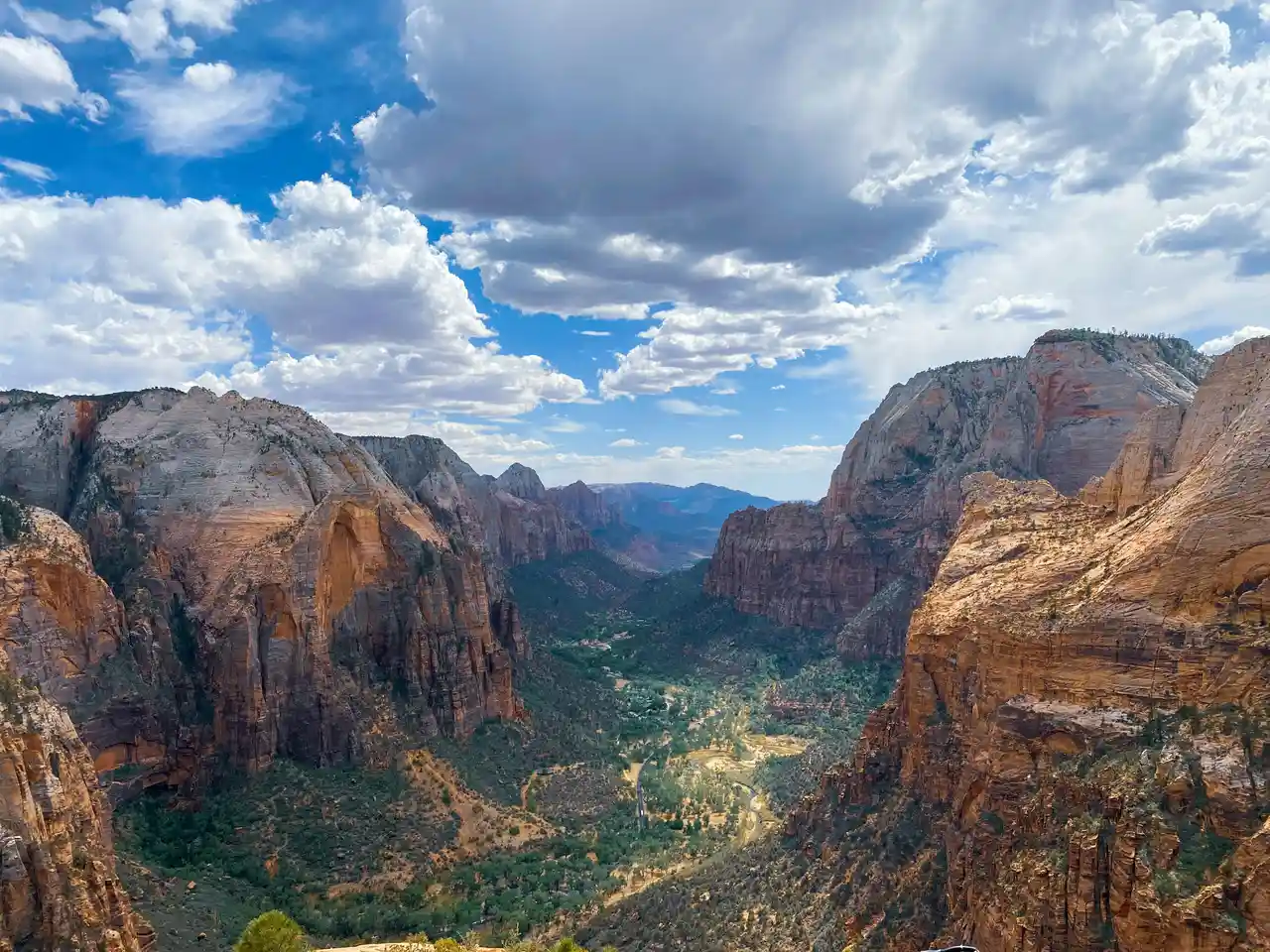
When it comes to experiencing the raw beauty of the American Southwest, Zion National Park stands in a league of its own. This Utah gem draws hikers and outdoor enthusiasts to its towering sandstone cliffs and winding canyon trails, where the Virgin River has carved its way through the landscape over millions of years. Whether you’re scaling the famous Angels Landing trail – not for the faint of heart – or wading through the narrow passages of the Narrows, you’ll find yourself surrounded by red rock formations that seem to touch the sky. It’s not just a place for adrenaline seekers though – the park’s shuttle system makes it easy for families and casual visitors to access scenic viewpoints and gentler trails that wind past hanging gardens and hidden waterfalls.
Grand Teton National Park, Wyoming
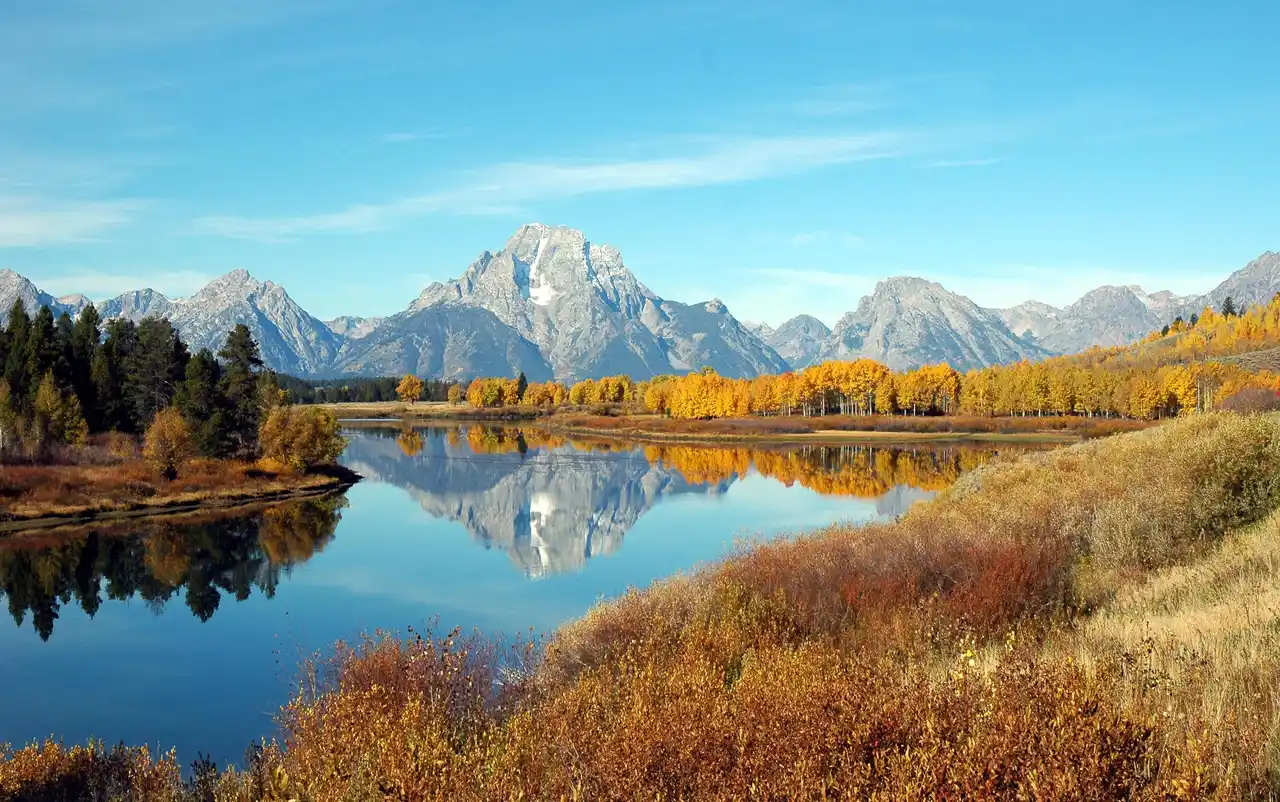
Many travelers head to Grand Teton National Park for its iconic mountain range, but this Wyoming gem offers much more than just peaks. The park’s blend of alpine lakes, winding rivers, and wide-open valleys creates a perfect setting for both casual walks and serious outdoor adventures. In summer, visitors can spot moose wading in the shallows of String Lake or elk grazing in the meadows, while winter transforms the landscape into a quiet playground for cross-country skiing and snowshoeing. The historic Mormon Row barns provide excellent photo opportunities against the mountain backdrop, and Jenny Lake serves as a natural hub for kayaking and swimming during warmer months.
Rocky Mountain National Park, Colorado
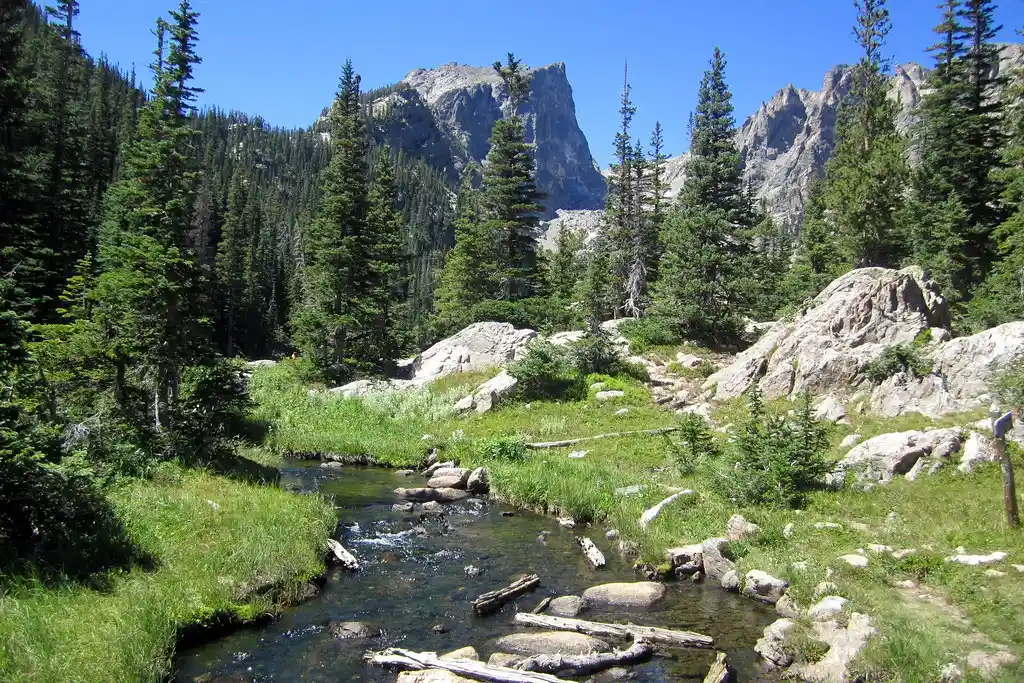
Ever watched elk graze against a backdrop of snow-capped peaks? It’s an everyday scene in Rocky Mountain National Park, just a 90-minute drive from Denver, where alpine meadows meet jagged mountain peaks. A paradise for outdoor enthusiasts, the park’s Trail Ridge Road winds through forests and tundra, reaching heights of 12,000 feet above sea level. From May to September, you can spot marmots sunbathing on rocks, trek through wildflower-dotted valleys, and climb some of Colorado’s most famous peaks. The park is also home to historic lodges like the Stanley Hotel, which inspired Stephen King’s “The Shining” and offers a perfect base for exploring the park’s 355 miles of hiking trails.
Shenandoah National Park, Virginia
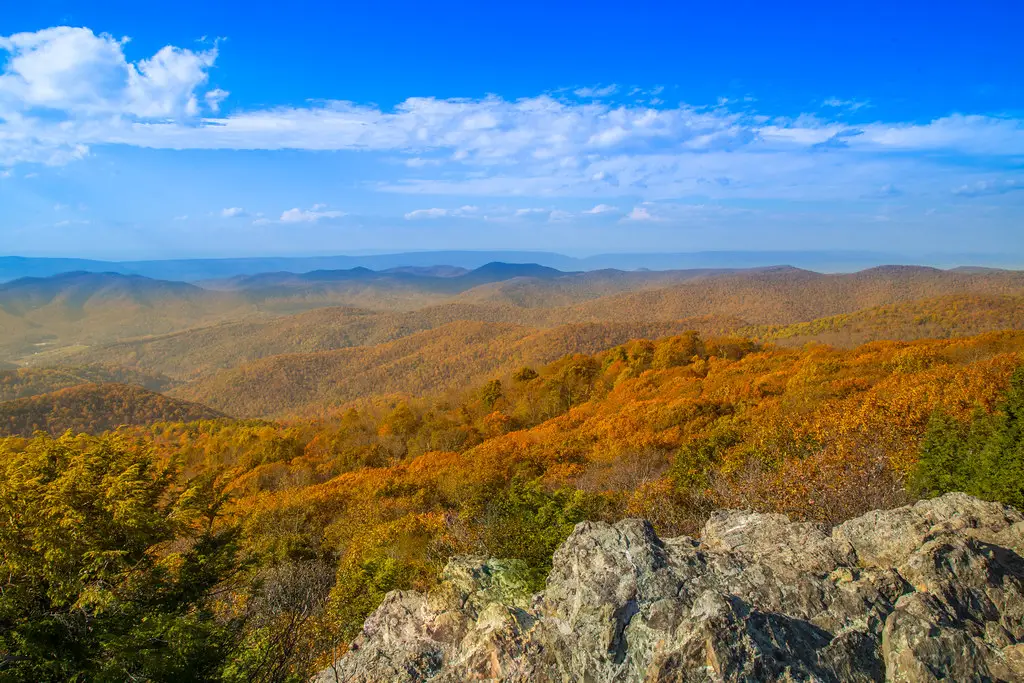
Nestled in the Blue Ridge Mountains of Virginia, Shenandoah National Park draws visitors seeking a true mountain escape within driving distance of Washington D.C. The park’s famous Skyline Drive winds for 105 miles along the mountain ridge, offering frequent overlooks of the rolling Shenandoah Valley and dense forests below. While many come for the fall colors that paint the landscape in warm hues, the park delivers year-round appeal with its network of hiking trails, including a significant portion of the Appalachian Trail. The park’s abundant wildlife, rushing waterfalls, and quiet mountain hollows provide endless opportunities for outdoor recreation, from casual nature walks to challenging backcountry adventures.
Olympic National Park, Washington
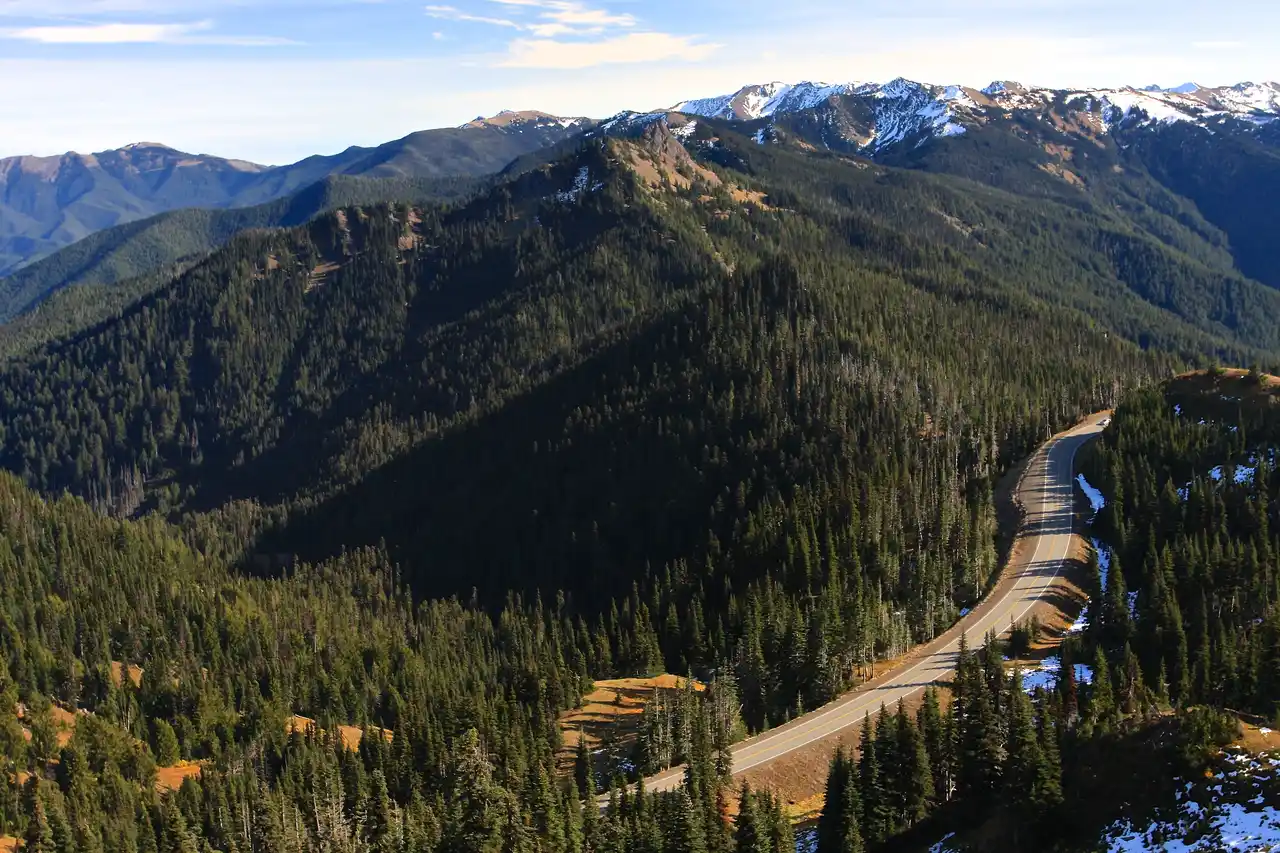
Olympic National Park feels like three completely different parks rolled into one unforgettable experience. From the rocky Pacific coastline where seals lounge on beaches, to the moss-draped rainforests that get 12 feet of rain annually, to the snow-capped peaks of the Olympic Mountains – this park keeps you guessing around every turn. It’s a place where you can hike through ancient forests in the morning, dig for clams on the beach in the afternoon, and watch the sunset paint the glaciers pink in the evening. The park’s unique geography creates these distinct ecosystems, making it a favorite among photographers and nature lovers who want to experience the Pacific Northwest’s raw beauty without having to choose between mountains, forests, or coast.
Joshua Tree National Park, California
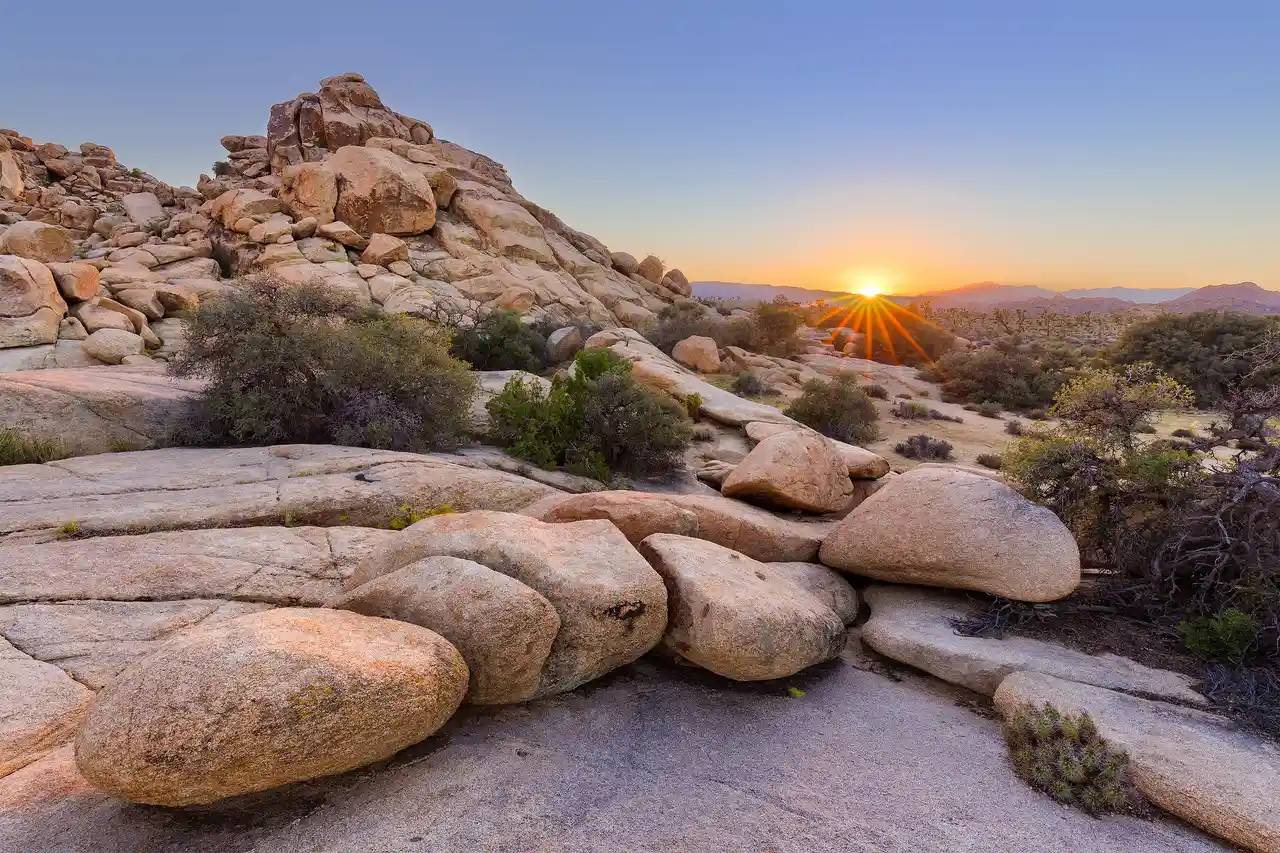
Ever since my first visit to Joshua Tree National Park in 2015, I’ve been drawn back to this otherworldly desert landscape where the Mojave and Colorado deserts meet. The park spans across southeastern California, creating a unique ecosystem where its namesake Joshua trees dot the rocky terrain like natural sculptures. Massive granite boulders rise from the desert floor, attracting rock climbers from around the world, while hidden oases shelter native fan palms and desert wildlife. The park really comes alive at night, when the vast, dark skies reveal a dazzling display of stars, making it a favorite spot for amateur astronomers and photographers. The nearby town of Joshua Tree adds to the experience with its artsy desert vibe, quirky shops, and cozy coffee spots perfect for early morning pit stops.
Bryce Canyon National Park, Utah
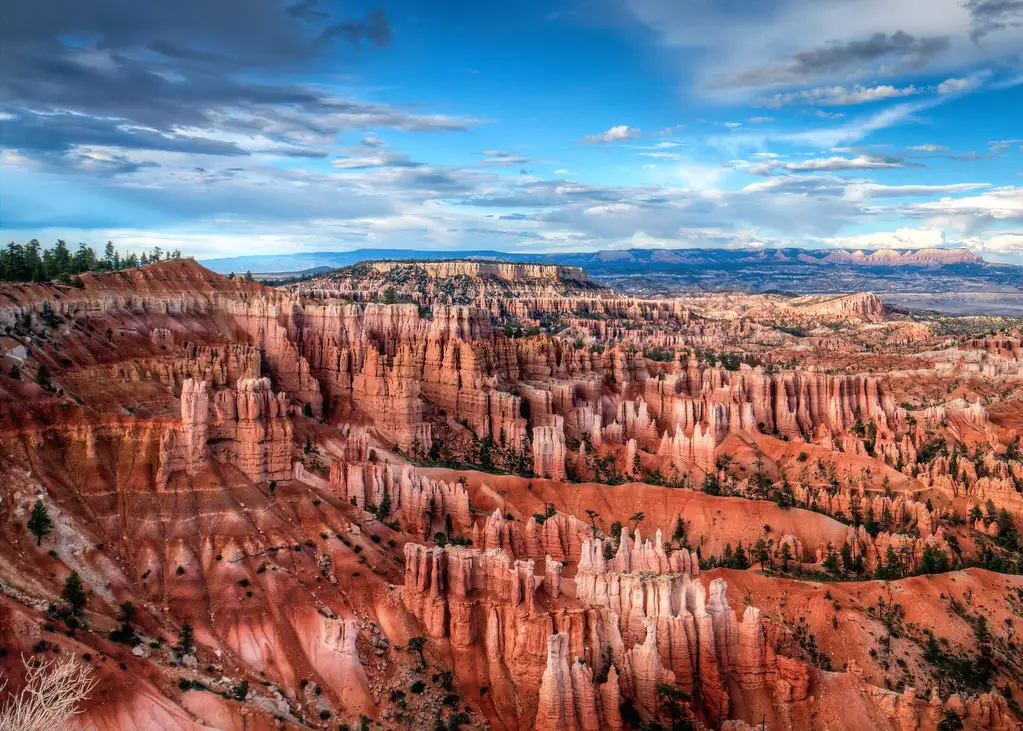
Many travelers venture to Bryce Canyon National Park for its unique rock formations called hoodoos, but this natural wonder offers far more than just interesting geology. The park’s amphitheater-like canyons stretch across the landscape, creating a maze of pink and orange limestone spires that seem to glow at sunrise and sunset. While the scenic drive provides easy access to various viewpoints, the park’s network of trails lets visitors get up close to these natural sculptures. In winter, the park transforms into a snow-covered playground for cross-country skiing and snowshoeing, while summer brings perfect conditions for stargazing programs and ranger-led hikes through the otherworldly terrain.
Mesa Verde National Park, Colorado
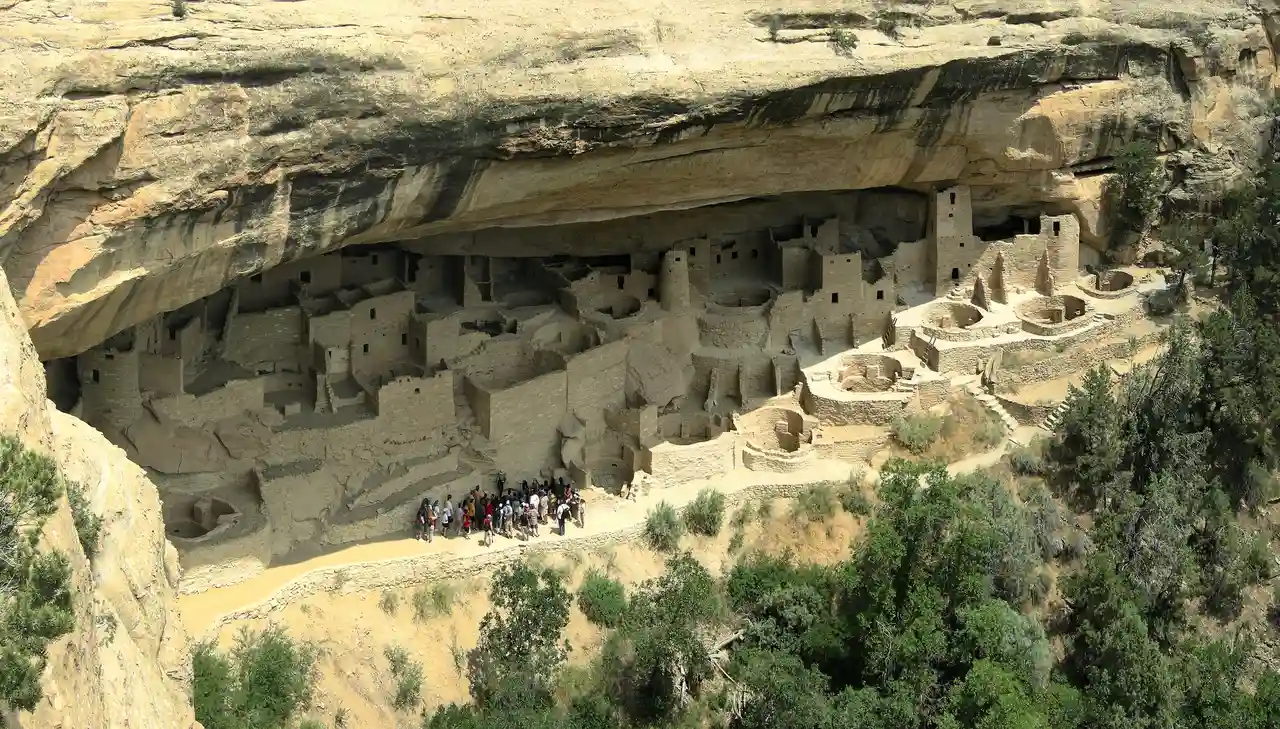
Tucked away in southwestern Colorado, Mesa Verde National Park offers a fascinating glimpse into ancient Pueblo life. Unlike many national parks that focus on natural wonders, this park tells the story of human history through its well-preserved cliff dwellings. As you wind your way up the mesa, you’ll spot hundreds of ancestral Puebloan homes built right into the sandstone cliffs – some dating back over 700 years. The park’s crown jewel, Cliff Palace, features 150 rooms and 23 kivas (ceremonial chambers), making it the largest cliff dwelling in North America. Because of its remote location and careful preservation, Mesa Verde feels like an outdoor museum where you can walk in the footsteps of people who called these cliffs home between 600 and 1300 CE.
Great Smoky Mountains National Park, Tennessee
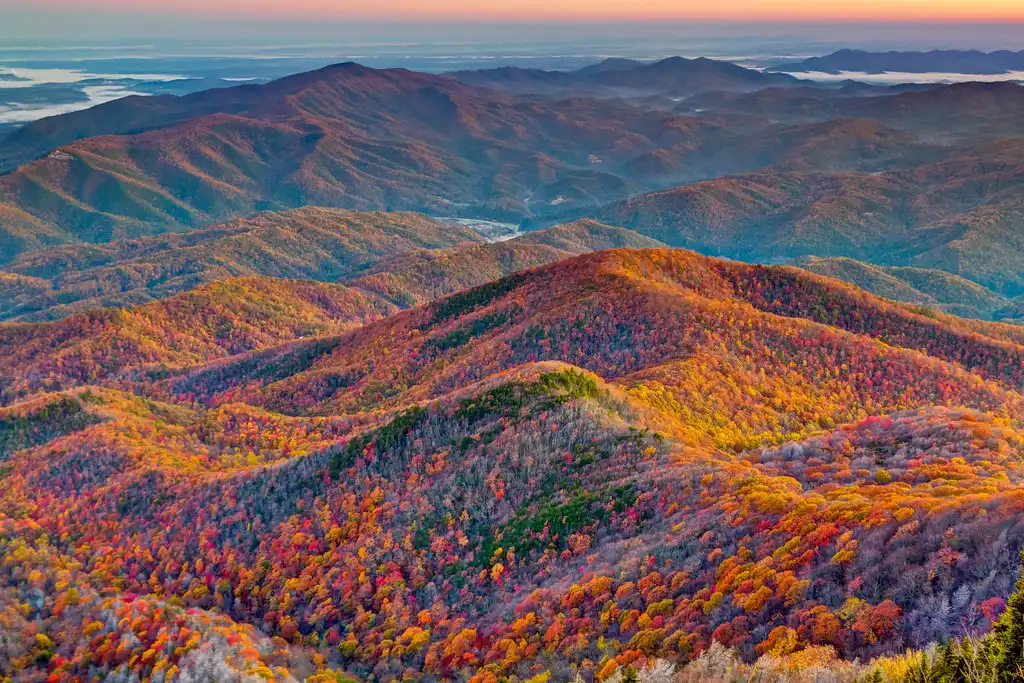
Nestled in the ancient Appalachian Mountains, the Great Smoky Mountains National Park has been my go-to escape since my first visit in 2018. Straddling the border of Tennessee and North Carolina, this park draws more visitors than any other in the U.S., yet somehow maintains its peaceful charm. Dense forests blanket the rolling mountains, creating that signature “smoky” effect when the morning mist rises from the valleys. Black bears roam freely through the old-growth forests, while historic log cabins and mills dot the landscape, telling stories of the early settlers who once called these mountains home. The Cades Cove loop road offers an easy way to take in the park’s natural wonders, winding past meadows where white-tailed deer graze at dusk and fireflies put on light shows in early summer.
Yellowstone National Park, Wyoming
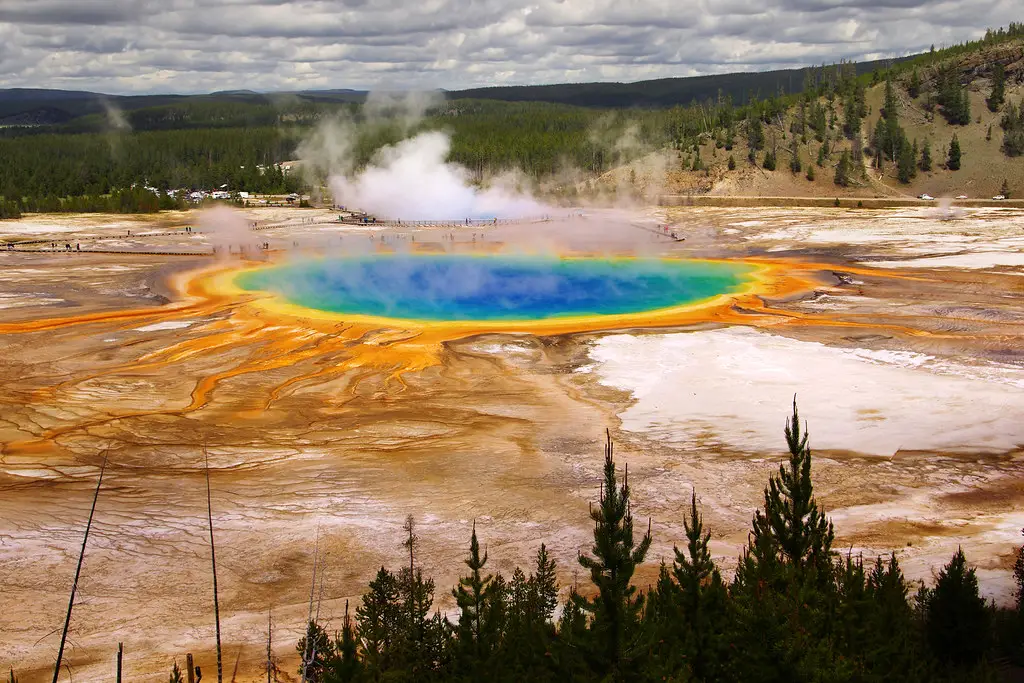
If there’s one national park that truly embodies the raw power of nature, it’s Yellowstone in Wyoming. This vast wilderness is home to the largest concentration of geothermal features in the world, with over 10,000 hydrothermal sites including the famous Old Faithful geyser. The park’s 2.2 million acres stretch across three states, offering visitors a chance to witness everything from bubbling mud pots and colorful hot springs to free-roaming bison and elk herds. It’s not just a park – it’s a living geology lesson where you can watch the Earth’s inner workings bubble up to the surface. While summer brings the crowds, a winter visit lets you experience the otherworldly steam rising through the snow-covered landscape in relative solitude.
Mount Rainier National Park, Washington
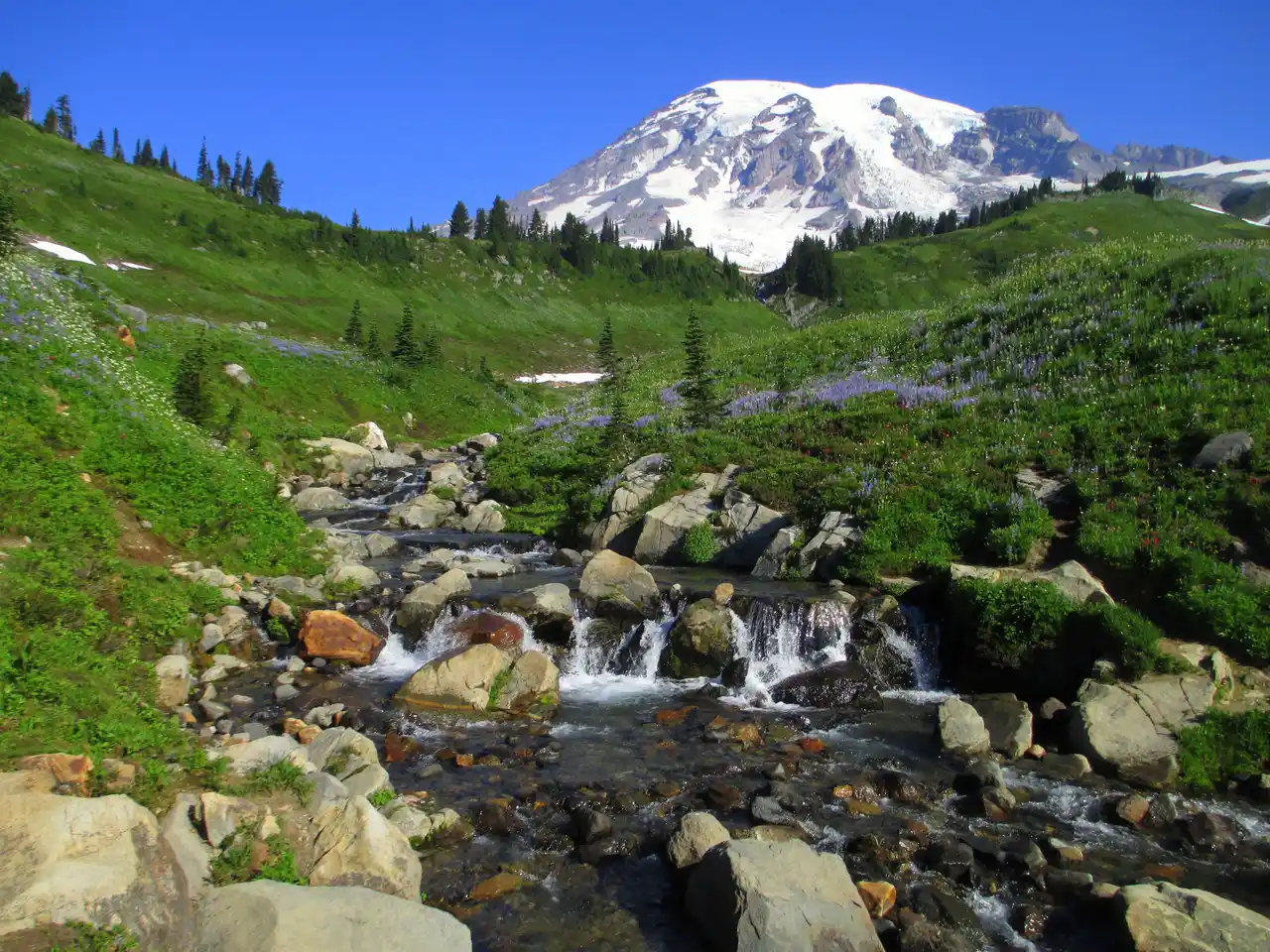
Mount Rainier is the kind of place that makes you feel tiny in the best possible way. This 14,411-foot active volcano towers over Washington state like a watchful guardian, its snow-capped peak visible from Seattle on clear days. The park offers more than 260 miles of maintained trails that wind through old-growth forests and alpine meadows, where wildflowers paint the landscape in summer months. It’s not just a mountain – it’s a complete ecosystem where glaciers, forests, and meadows come together in a way that feels almost impossible. While the summit climb is reserved for serious mountaineers, day hikers can still experience plenty of magic on trails like the Skyline Loop or Sunrise Rim, where mountain views and wildlife sightings are just part of a normal afternoon.
Arches National Park, Utah
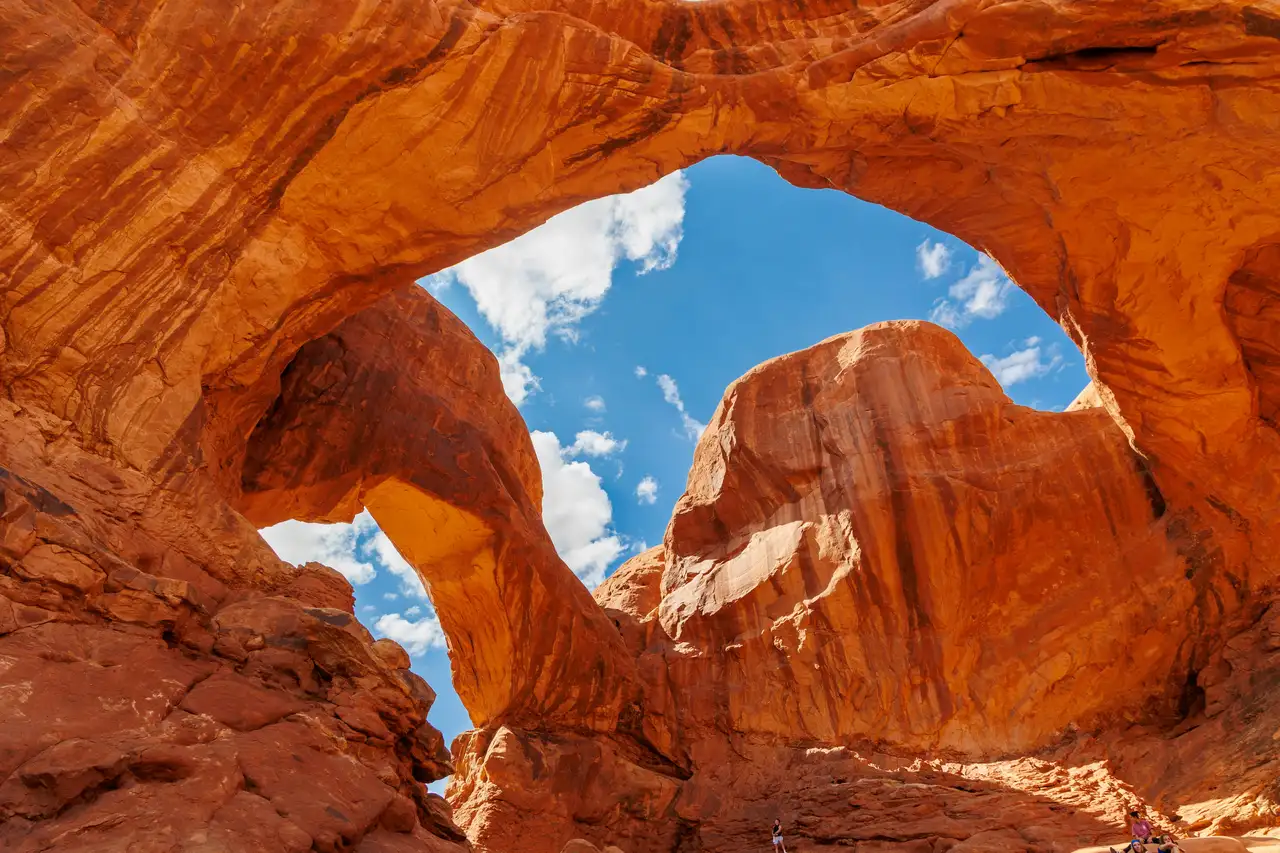
Arches National Park in Utah is one of those places that makes you feel like you’ve landed on another planet. This wonderland of red rock spans over 75,000 acres and houses more than 2,000 natural stone arches – the highest concentration you’ll find anywhere on Earth. The park’s main scenic drive takes you past massive fins of sandstone, towering spires, and gravity-defying balanced rocks that seem to defy explanation. It’s not just a drive-through experience though – hiking trails ranging from easy walks to challenging scrambles let you get up close to icons like Delicate Arch and Double Arch. While summer brings intense heat and crowds, visiting during spring or fall rewards you with perfect hiking weather and the chance to see these remarkable formations cast in the golden light of sunrise or sunset.

