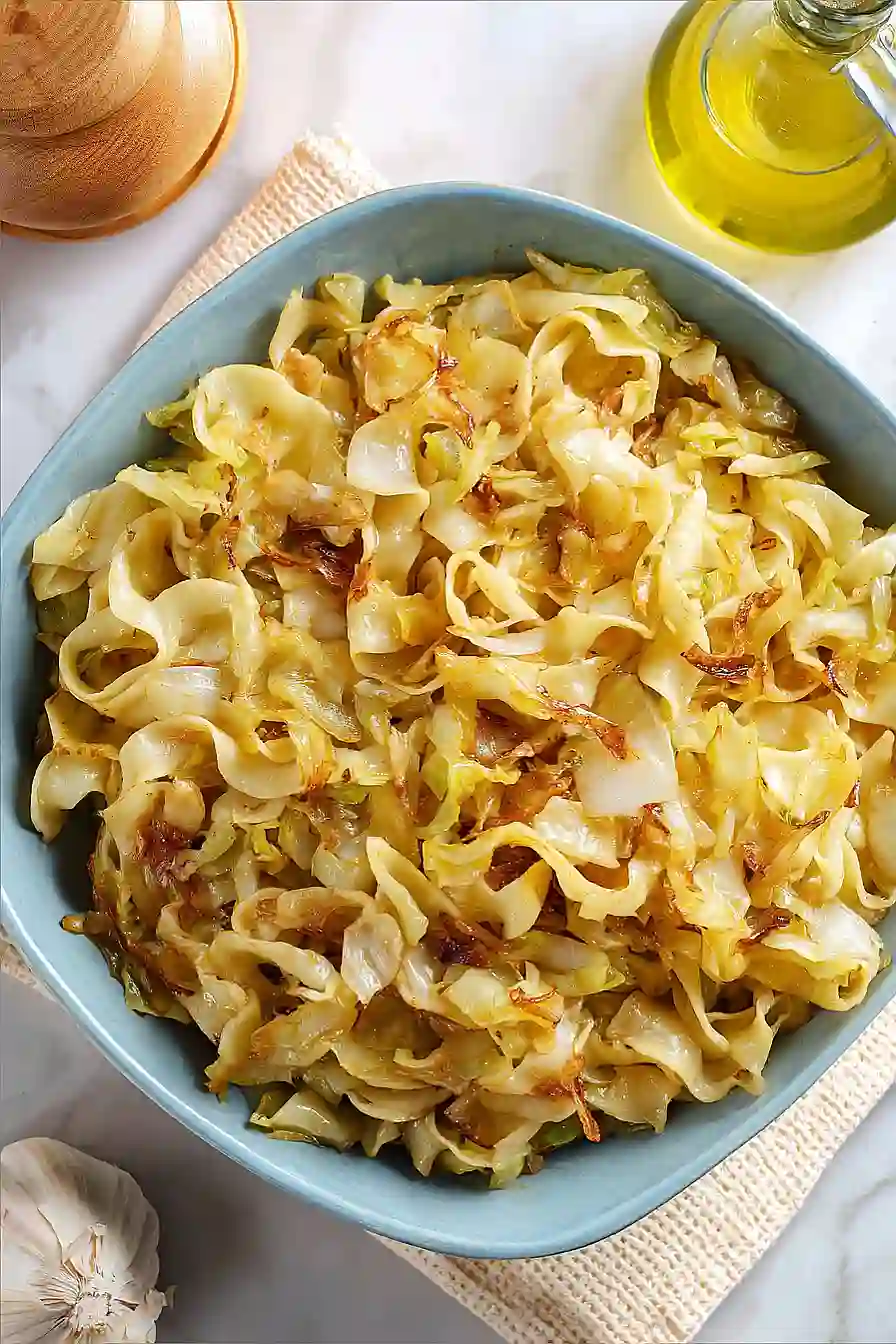
Here is my favorite haluski recipe, with crispy bacon, buttery caramelized onions and cabbage, and tender egg noodles all cooked together in one pan.
This haluski is comfort food at its best. My family asks for it all the time, especially on busy weeknights when we need something simple and satisfying. Plus, cleanup is easy since everything cooks in the same skillet!
Why You’ll Love This Haluski
- Budget-friendly comfort food – This Eastern European classic uses simple, inexpensive ingredients like cabbage, noodles, and bacon to create a satisfying meal that won’t break the bank.
- Quick and easy – Ready in under 45 minutes, this one-pan dish is perfect for busy weeknights when you need something filling fast.
- Simple ingredients – You probably already have most of these pantry staples on hand, making it an easy go-to recipe.
- Rich, savory flavor – The combination of crispy bacon, caramelized onions, and buttery cabbage creates a deeply satisfying dish that tastes way more complicated than it actually is.
What Kind of Cabbage Should I Use?
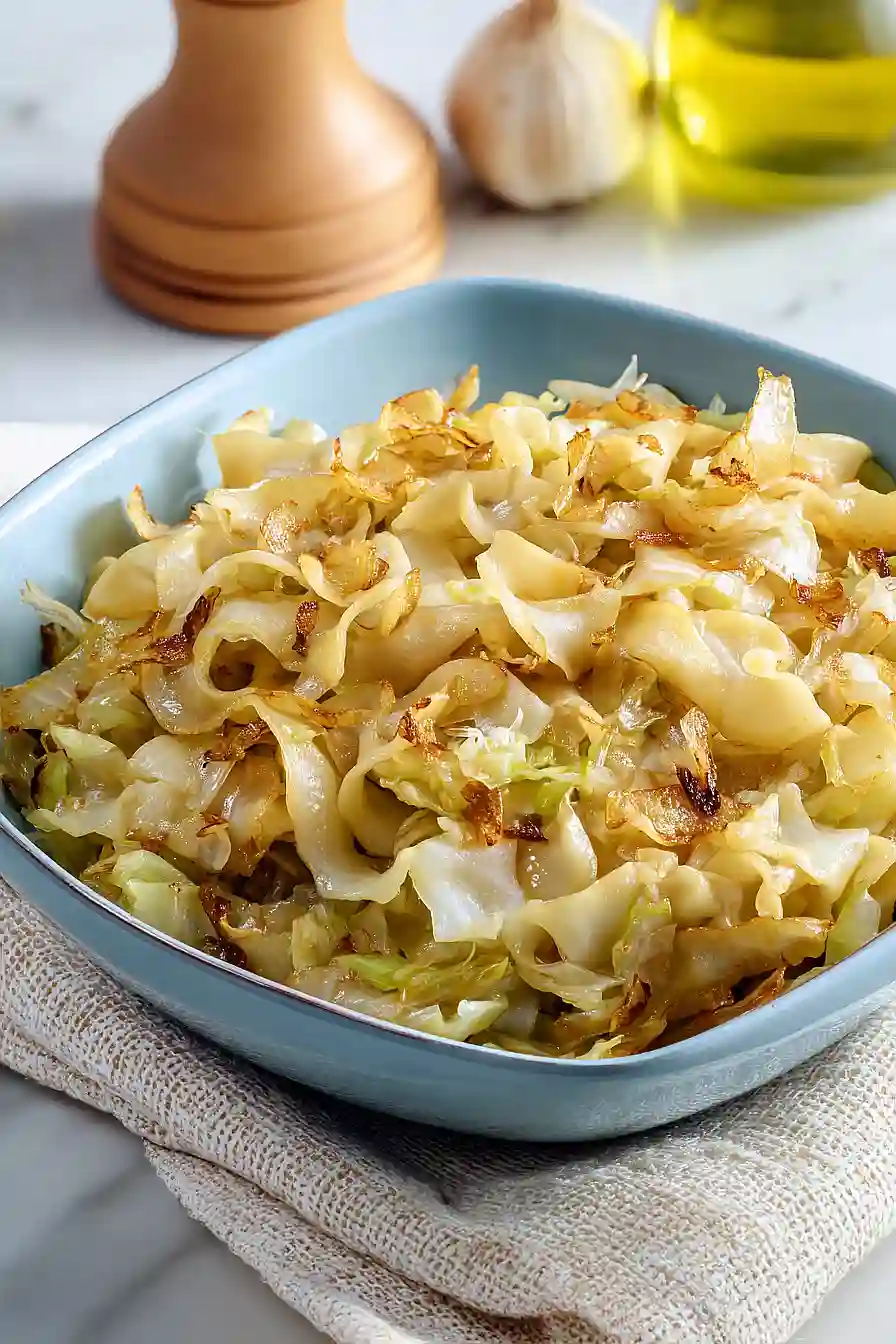
Green cabbage is the traditional choice for haluski and what you’ll find in most authentic recipes. It has a mild, slightly sweet flavor that becomes even sweeter as it cooks down with the butter and onions. You can also use savoy cabbage if that’s what you have on hand – it’s a bit more tender and has a milder taste, so it cooks faster. Some people like mixing in a little red cabbage for color, but keep in mind it can turn your noodles a purplish tint. When picking out your cabbage at the store, look for heads that feel heavy for their size and have crisp, tightly packed leaves without any brown spots.
Options for Substitutions
This classic comfort food is pretty forgiving when it comes to swaps:
- Bacon: If you don’t eat pork, turkey bacon works great here. You can also use kielbasa or smoked sausage cut into small pieces for a different flavor. For a vegetarian version, skip the bacon entirely and add a bit of smoked paprika for that smoky taste.
- Butter: You can replace some or all of the butter with olive oil if you prefer, though butter does give this dish its traditional rich flavor. Use about the same amount of oil.
- Egg noodles: Wide egg noodles are traditional, but you can use any pasta shape you have on hand – penne, rotini, or even spaghetti broken into pieces will work. Just cook according to package directions.
- Green cabbage: Green cabbage is standard, but savoy cabbage or a mix of green and red cabbage adds nice color and slightly different texture. Red cabbage will turn the dish a bit purple, which some folks like.
- Onion: Yellow onions are typical, but sweet onions like Vidalia give a milder, slightly sweeter result if you’re not a fan of strong onion flavor.
Watch Out for These Mistakes While Cooking
The biggest mistake people make with haluski is cooking the cabbage on too high heat, which causes it to brown and turn bitter instead of becoming sweet and tender – keep it on medium-low and let it steam in its own moisture under the lid.
Undercooking the cabbage is another common error that leaves it crunchy and raw-tasting, so make sure to give it the full 10 minutes (or even a bit longer) until it’s soft and slightly caramelized.
Don’t skip draining your noodles well before mixing them with the cabbage, as excess water will make your dish watery and prevent the butter from coating everything properly.
Finally, resist the urge to stir the cabbage constantly while it’s cooking – letting it sit undisturbed helps it develop better flavor and texture, so just give it an occasional toss to prevent sticking.
What to Serve With Haluski?
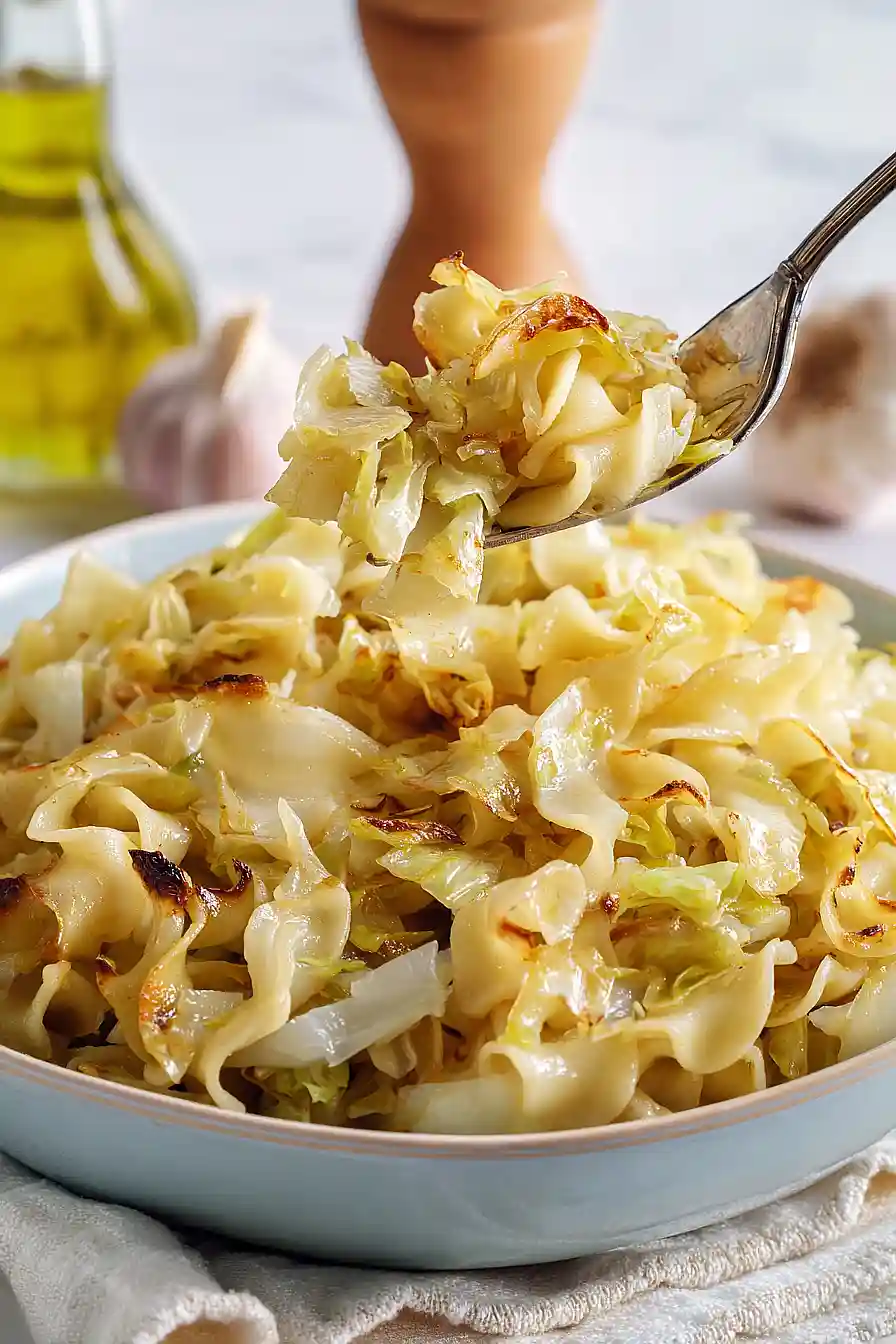
Haluski is pretty hearty on its own, but I love serving it alongside some grilled or pan-fried kielbasa for a complete Polish-inspired meal. A dollop of sour cream on top adds a nice tangy contrast to the buttery noodles and caramelized cabbage. If you want to add some freshness to the plate, a simple cucumber salad with dill and vinegar cuts through the richness perfectly. You could also serve it with some rye bread on the side for mopping up any butter left on your plate.
Storage Instructions
Store: Keep your leftover haluski in an airtight container in the fridge for up to 4 days. The flavors actually meld together nicely overnight, so it tastes great the next day. Just know that the noodles will absorb some of the butter as it sits, so it might look a bit drier than when you first made it.
Freeze: You can freeze haluski for up to 2 months in a freezer-safe container. I’ll be honest though – the noodles can get a bit mushy after freezing, so I usually only freeze it if I have a lot of leftovers and don’t want them to go to waste.
Reheat: Warm it up in a skillet over medium heat with a tablespoon or two of butter to bring back that rich flavor. You can also microwave it, but I find the stovetop method gives you better texture and lets you crisp up the edges a bit if you like.
| Preparation Time | 10-15 minutes |
| Cooking Time | 20-30 minutes |
| Total Time | 30-45 minutes |
| Level of Difficulty | Medium |
| Servings | 5 servings |
Estimated Nutrition
Estimated nutrition for the whole recipe (without optional ingredients):
- Calories: 1600-1750
- Protein: 35-42 g
- Fat: 105-120 g
- Carbohydrates: 125-140 g
Ingredients
- 5 oz bacon (diced into 1/2-inch pieces for even browning)
- 7 tbsp butter (I prefer Kerrygold unsalted butter for this)
- 2 cups onion
- 1.5 lb cabbage (cored and cut into 1-inch squares)
- 1 tsp salt
- 3/4 tsp black pepper
- 6 oz egg noodles (I always use Amish Kitchens wide egg noodles)
- 1/2 tsp garlic powder
Step 1: Cook the Bacon and Start the Aromatics
- 5 oz bacon
- 2 tablespoons butter
In a large pot or Dutch oven, cook the diced bacon over medium heat until it’s crispy and rendered, about 8-10 minutes, stirring occasionally.
Remove the bacon with a slotted spoon and set aside on a paper towel, leaving about 1 tablespoon of bacon fat in the pot.
Add 2 tablespoons of butter to the pot and stir in the diced onions, cooking for 2-3 minutes until they begin to soften and become fragrant.
This combination of bacon fat and butter creates a flavorful base for the cabbage.
Step 2: Cook the Cabbage Low and Slow
- 2 tablespoons butter
- 1.5 lb cabbage
- 1 tsp salt
- 3/4 tsp black pepper
- 1/2 tsp garlic powder
- cooked bacon from Step 1
Add the remaining 2 tablespoons of butter to the pot with the onions, then add the cabbage cut into 1-inch squares, salt, pepper, and garlic powder.
Stir everything together to coat the cabbage with the fat and seasonings.
Return the cooked bacon to the pot, reduce heat to medium-low, cover with a lid, and cook for 10-12 minutes, stirring occasionally.
The cabbage will release moisture and become tender while the flavors meld together.
I like to let this cook gently so the cabbage softens without browning too much—it keeps the dish more delicate.
Step 3: Cook the Noodles and Combine
- 6 oz egg noodles
- 2 tablespoons butter
- cabbage mixture from Step 2
While the cabbage is cooking, bring a pot of salted water to a boil and cook the egg noodles according to package directions until al dente, then drain well.
Once the cabbage is tender, add the drained noodles and the remaining 2 tablespoons of butter to the pot with the cabbage mixture.
Toss everything together gently but thoroughly, allowing the butter to coat the noodles and distribute the cabbage evenly throughout.
I find that tossing gently here keeps the noodles from breaking and ensures every bite has both cabbage and noodles.
Step 4: Heat Through and Serve
- combined noodle and cabbage mixture from Step 3
Cook the combined mixture over medium heat for 1-2 minutes, stirring gently, until everything is heated through and any excess moisture has evaporated slightly.
The haluski should be creamy and cohesive, not dry or soupy.
Transfer to a serving bowl or individual bowls and serve warm.
Classic Haluski (Fried Cabbage and Noodles)
Ingredients
- 5 oz bacon (diced into 1/2-inch pieces for even browning)
- 7 tbsp butter (I prefer Kerrygold unsalted butter for this)
- 2 cups onion
- 1.5 lb cabbage (cored and cut into 1-inch squares)
- 1 tsp salt
- 3/4 tsp black pepper
- 6 oz egg noodles (I always use Amish Kitchens wide egg noodles)
- 1/2 tsp garlic powder
Instructions
- In a large pot or Dutch oven, cook the diced bacon over medium heat until it's crispy and rendered, about 8-10 minutes, stirring occasionally. Remove the bacon with a slotted spoon and set aside on a paper towel, leaving about 1 tablespoon of bacon fat in the pot. Add 2 tablespoons of butter to the pot and stir in the diced onions, cooking for 2-3 minutes until they begin to soften and become fragrant. This combination of bacon fat and butter creates a flavorful base for the cabbage.
- Add the remaining 2 tablespoons of butter to the pot with the onions, then add the cabbage cut into 1-inch squares, salt, pepper, and garlic powder. Stir everything together to coat the cabbage with the fat and seasonings. Return the cooked bacon to the pot, reduce heat to medium-low, cover with a lid, and cook for 10-12 minutes, stirring occasionally. The cabbage will release moisture and become tender while the flavors meld together. I like to let this cook gently so the cabbage softens without browning too much—it keeps the dish more delicate.
- While the cabbage is cooking, bring a pot of salted water to a boil and cook the egg noodles according to package directions until al dente, then drain well. Once the cabbage is tender, add the drained noodles and the remaining 2 tablespoons of butter to the pot with the cabbage mixture. Toss everything together gently but thoroughly, allowing the butter to coat the noodles and distribute the cabbage evenly throughout. I find that tossing gently here keeps the noodles from breaking and ensures every bite has both cabbage and noodles.
- Cook the combined mixture over medium heat for 1-2 minutes, stirring gently, until everything is heated through and any excess moisture has evaporated slightly. The haluski should be creamy and cohesive, not dry or soupy. Transfer to a serving bowl or individual bowls and serve warm.

