Here is my favorite dutch oven pork tenderloin recipe, with a simple seasoning blend, tender juicy meat, and an easy one-pot cooking method that makes cleanup a breeze.
This pork tenderloin is my family’s go-to weeknight dinner when we want something that feels fancy but doesn’t take hours to make. The dutch oven keeps everything moist and flavorful, and I love that I can throw in some vegetables alongside the meat for a complete meal.
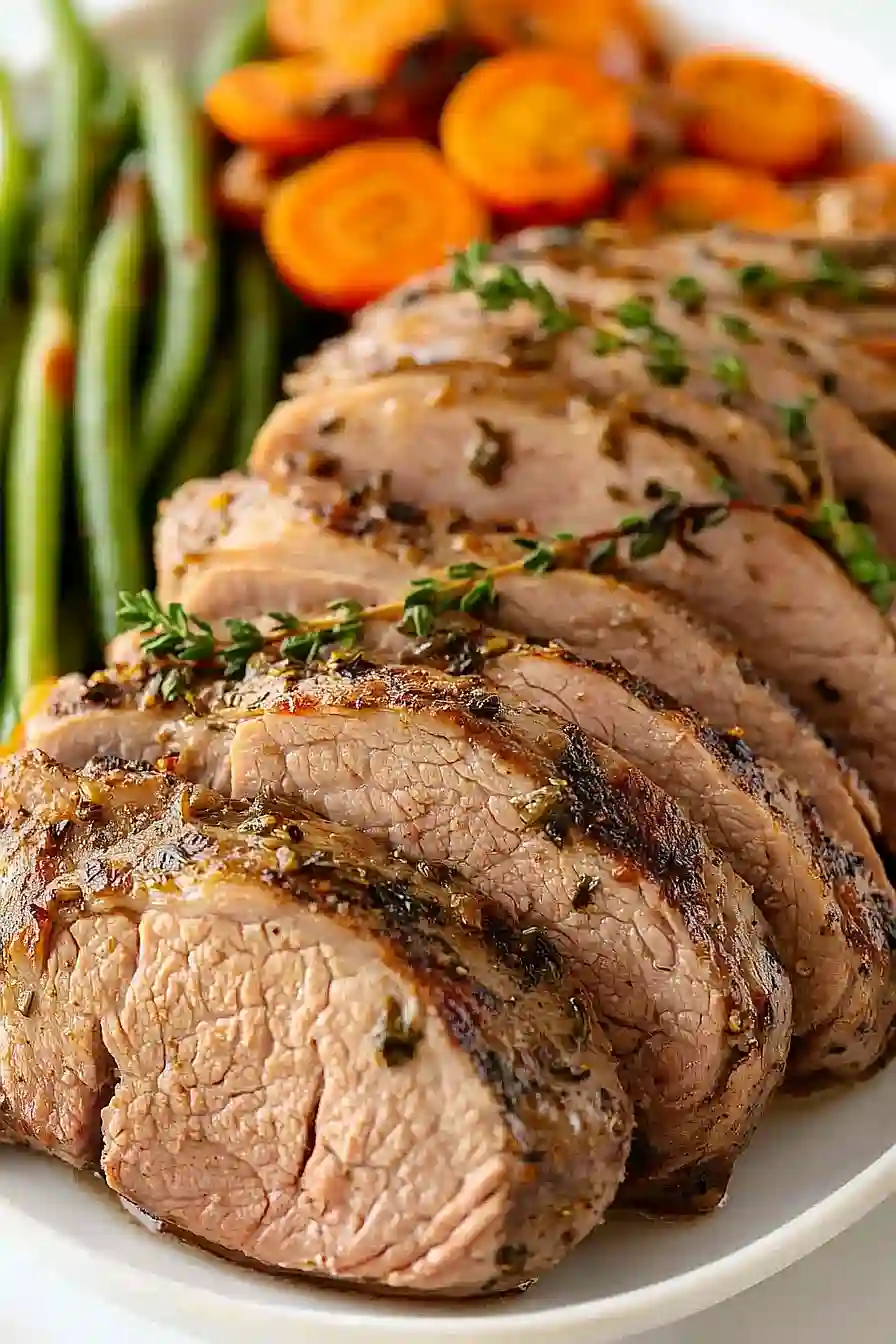
Why You’ll Love This Dutch Oven Pork Tenderloin
- Quick weeknight dinner – Ready in under an hour, this recipe is perfect when you want something special but don’t have all day to cook.
- One-pot cooking – Everything cooks together in your dutch oven, which means less cleanup and more time to relax after dinner.
- Restaurant-quality results – The balsamic glaze gives this tender pork a glossy finish that looks and tastes like something you’d order at a nice restaurant.
- Simple pantry ingredients – You probably already have most of these spices and ingredients at home, making this an easy go-to recipe.
- Complete meal option – Add the optional vegetables right to the same pot for a full dinner that’s both satisfying and nutritious.
What Kind of Pork Tenderloin Should I Use?
When shopping for pork tenderloin, look for pieces that are similar in size so they cook evenly – most tenderloins at the grocery store come in packages of two and weigh around 12 ounces each. You’ll want to choose meat that’s pinkish-red in color with minimal visible fat, though a little marbling is fine. Make sure to trim off any silver skin or excess fat before cooking, as this tough membrane won’t break down during the cooking process. If you can only find larger tenderloins, you can easily cut them down to size or adjust your cooking time accordingly.
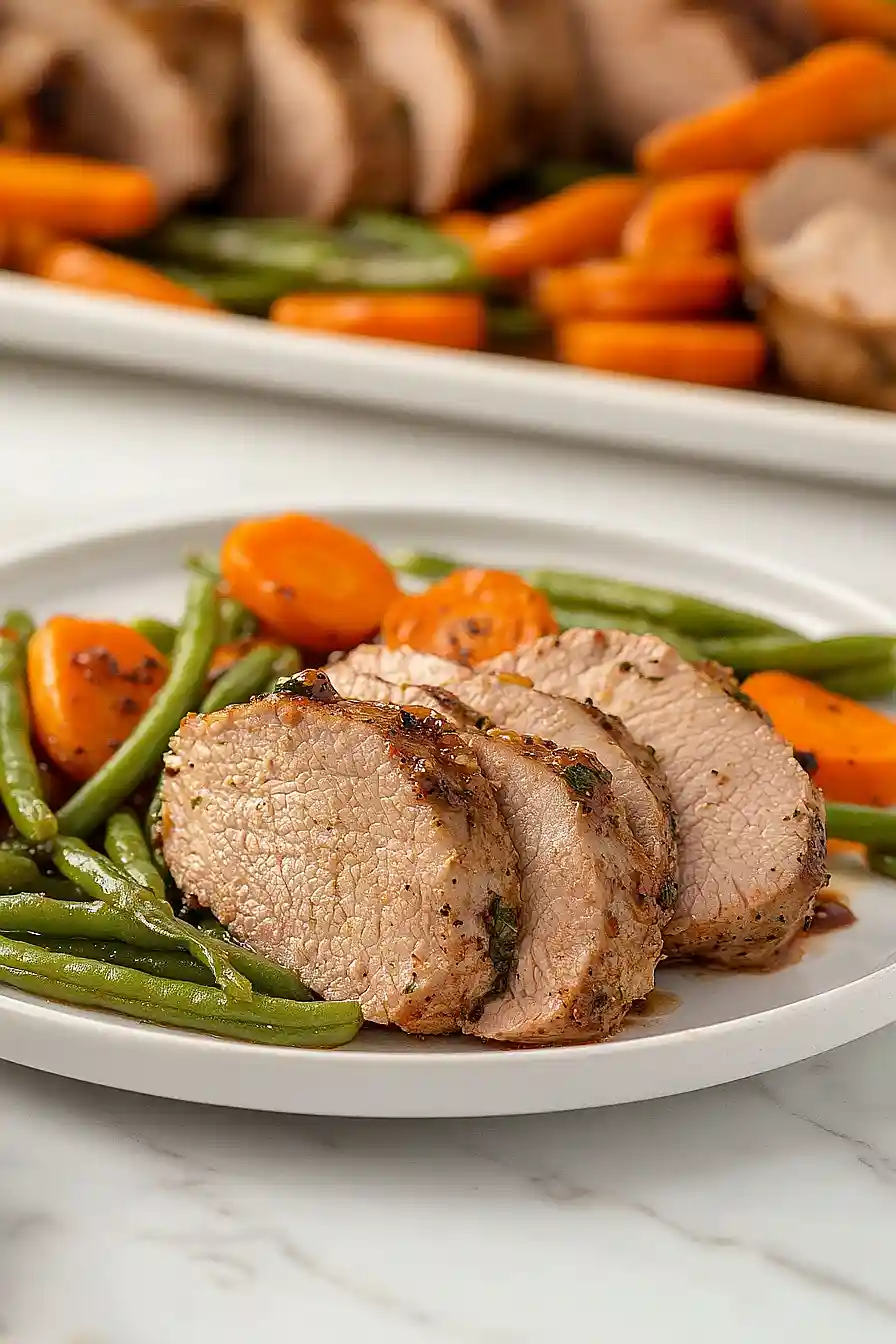
Options for Substitutions
This pork tenderloin recipe is pretty forgiving when it comes to swaps:
- Pork tenderloin: If you can’t find tenderloin, pork loin works too – just adjust your cooking time since it’s a bit thicker. Chicken breasts are another option, though they’ll cook faster.
- Fresh herbs: Don’t stress if you only have dried herbs on hand. Use about 1 teaspoon each of dried rosemary and thyme instead of fresh – they’ll work just fine.
- Balsamic vinegar: Red wine vinegar or apple cider vinegar can step in for balsamic. You might want to add a pinch of sugar to balance the flavor since balsamic is naturally sweeter.
- Brown sugar: Regular white sugar works in a pinch, or try honey or maple syrup (use about 3 tablespoons instead of 1/3 cup). If using liquid sweeteners, you might need to cook the glaze a bit longer to thicken.
- Garlic cloves: Fresh garlic gives the best flavor, but garlic powder is totally fine if that’s what you have. About 1 teaspoon equals 2-3 fresh cloves.
- Vegetables: Feel free to swap the string beans and carrots for whatever you have – Brussels sprouts, asparagus, or baby potatoes all roast nicely alongside the pork.
Watch Out for These Mistakes While Cooking
The biggest mistake when cooking pork tenderloin is overcooking it, which turns this naturally tender cut into a dry, tough disappointment – use a meat thermometer and pull it from the heat when it reaches 145°F, then let it rest for 5 minutes to reach the safe temperature of 150°F.
Another common error is not letting the meat rest at room temperature for 15-20 minutes before cooking, which helps it cook more evenly and prevents the outside from overcooking while the center stays cold.
Don’t skip searing the tenderloin on all sides before adding the glaze, as this step creates a nice crust and locks in the juices, and be careful not to let your balsamic glaze burn by adding it during the last 10-15 minutes of cooking time.
Finally, always slice the pork against the grain at a slight angle for the most tender results, and let it rest for at least 5 minutes after cooking to keep all those delicious juices from running out onto your cutting board.
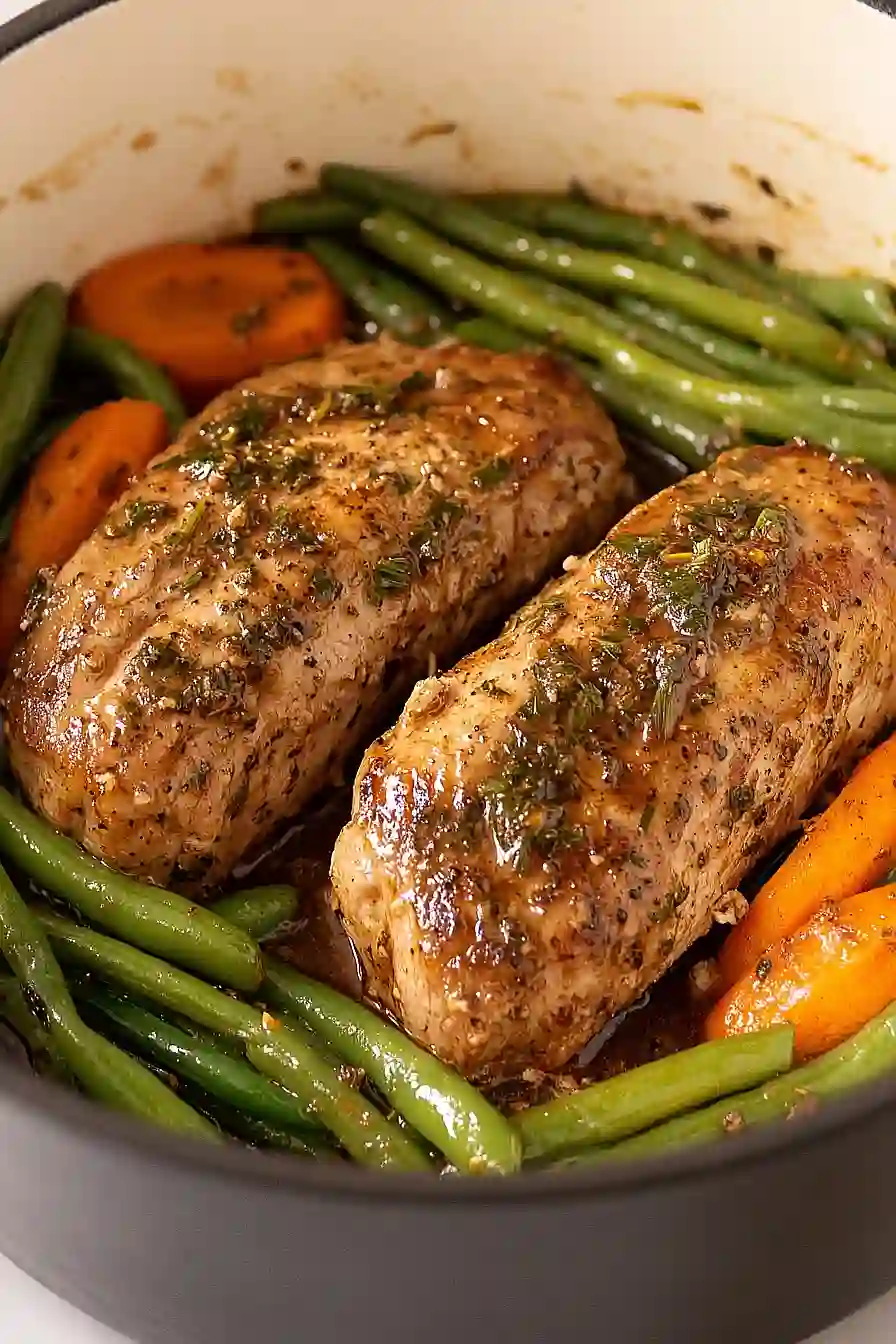
What to Serve With Dutch Oven Pork Tenderloin?
This tender, flavorful pork pairs beautifully with roasted vegetables like Brussels sprouts, sweet potatoes, or the string beans and carrots mentioned in the recipe. Mashed potatoes or creamy polenta are perfect for soaking up that delicious balsamic glaze, while a simple rice pilaf or wild rice also works great as a base. For something lighter, try a mixed greens salad with dried cranberries and walnuts, or roasted asparagus with a squeeze of lemon. The herb-crusted pork also goes wonderfully with garlic mashed cauliflower if you’re looking for a lower-carb option.
Storage Instructions
Refrigerate: Leftover pork tenderloin keeps really well in the fridge for up to 4 days when stored in an airtight container. I like to slice it up before storing so it’s ready to go for quick lunches or dinner additions. The balsamic glaze will thicken up a bit when cold, but that’s totally normal.
Freeze: You can freeze the cooked pork tenderloin for up to 3 months in freezer-safe containers or bags. I recommend slicing it first and freezing individual portions with some of the glaze. This makes it super easy to thaw just what you need for a meal.
Warm Up: To reheat, gently warm sliced pork in a skillet over medium-low heat with a splash of broth or water to keep it moist. You can also use the microwave on 50% power, checking every 30 seconds. The key is low and slow so it doesn’t dry out.
| Preparation Time | 10-15 minutes |
| Cooking Time | 35-45 minutes |
| Total Time | 45-60 minutes |
| Level of Difficulty | Medium |
Estimated Nutrition
Estimated nutrition for the whole recipe (without optional ingredients):
- Calories: 900-1000
- Protein: 80-90 g
- Fat: 50-60 g
- Carbohydrates: 60-70 g
Ingredients
For the pork:
- 2 pork tenderloins (12 oz each), trimmed
- 2 to 3 garlic cloves, sliced, or 1 tsp garlic powder
- 1 tbsp olive oil
- Fresh rosemary and fresh thyme branches, or 1 tsp dried herbs
For the dry rub:
- 1 tsp salt
- 1 tsp black pepper
- 1 tsp onion powder
- 1 tsp paprika
For the balsamic glaze:
- 1/3 cup brown sugar or alternative sweetener (such as swerve)
- 1/4 cup balsamic vinegar
- Salt and pepper, as needed
Optional vegetables:
- Trimmed green beans
- Sliced carrots
Step 1: Prepare the Balsamic Glaze
- 1/4 cup balsamic vinegar
- 1/3 cup brown sugar or alternative sweetener (such as Swerve)
In a small bowl, thoroughly combine the balsamic vinegar and brown sugar (or alternative sweetener), stirring until the sugar is mostly dissolved.
Set the glaze aside for later use.
Step 2: Prepare and Season the Pork Tenderloins
- 2 pork tenderloins (12 oz each), trimmed
- 2 to 3 garlic cloves, sliced, or 1 tsp garlic powder
- fresh rosemary and fresh thyme branches, or 1 tsp dried herbs
- 1 tsp salt
- 1 tsp black pepper
- 1 tsp onion powder
- 1 tsp paprika
- 1 tbsp olive oil
Pat the pork tenderloins dry and, using a sharp knife, cut 4-5 slits along the top of each tenderloin, making them deep enough to stuff with garlic slices and fresh rosemary and thyme (or dried herbs, if using).
Insert the garlic and herbs evenly into the slits.
In a small bowl, combine the salt, black pepper, onion powder, and paprika to create a dry rub.
Sprinkle and rub this mixture all over the pork, ensuring even coverage.
Next, rub the tenderloins all over with 1 tablespoon of olive oil.
Step 3: Sear the Pork Tenderloins
- 1 tbsp olive oil
- stuffed and seasoned pork tenderloins from Step 2
Heat a Dutch oven over medium-high heat and add 1 tablespoon of olive oil.
When the oil is hot, place the seasoned and stuffed pork tenderloins in the pot.
Sear each side for about 2 minutes until all sides are lightly browned.
This helps develop flavor and color before roasting.
I find that getting a good sear makes the final dish much tastier and more visually appealing.
Step 4: Roast and Glaze the Pork
- seared pork tenderloins from Step 3
- balsamic glaze from Step 1
Preheat your oven to 400°F if you haven’t already.
Transfer the Dutch oven containing the seared pork tenderloins to the oven, leaving it uncovered.
Brush the prepared balsamic glaze over the pork, ensuring an even coating.
Roast for 15 minutes, then turn the pork tenderloins, brush with more balsamic glaze, and continue roasting until the internal temperature reaches 145°F-150°F on a meat thermometer (about 20-30 minutes longer).
When done, remove the pork to a cutting board and allow it to rest for 5-10 minutes before slicing.
Letting the meat rest ensures it remains juicy and tender.
Step 5: Prepare and Serve the Vegetables
- trimmed green beans
- sliced carrots
- salt and pepper, as needed
While the pork is resting, steam or blanch the green beans and sliced carrots in lightly salted water until just tender, about 4-6 minutes.
Drain well.
Season with salt and pepper to taste before serving alongside the sliced pork tenderloin.
For a little extra flavor, I sometimes drizzle the vegetables with a bit of olive oil or a touch of fresh lemon juice.