Finding a pizza crust recipe that’s actually healthy without sacrificing flavor can feel like an impossible task. After all, traditional pizza dough requires yeast, rising time, and a whole lot of waiting around—not to mention the carb-heavy flour that leaves you feeling sluggish an hour later.
Luckily, this cottage cheese pizza crust checks all the boxes: it’s protein-packed and surprisingly tasty, comes together in minutes with just a few ingredients, and works perfectly with whatever toppings you’re craving for pizza night.

Why You’ll Love This Cottage Cheese Pizza Crust
- High-protein base – The cottage cheese adds extra protein to your pizza, making it more filling and nutritious than regular pizza crust.
- Simple ingredients – You only need three basic ingredients for the crust – cottage cheese, flour, and baking powder – that you might already have in your kitchen.
- Quick and easy – This pizza comes together in under 35 minutes, making it perfect for busy weeknights when you’re craving homemade pizza without the wait.
- Customizable – Top it with whatever you like – pepperoni, veggies, or keep it simple with just cheese and sauce.
What Kind of Cottage Cheese Should I Use?
Any type of cottage cheese will work for this pizza crust, whether you go with small curd, large curd, or even whipped cottage cheese. Full-fat cottage cheese tends to create a richer, more flavorful crust, but low-fat or fat-free versions work just fine if that’s what you have on hand. If you’re using large curd cottage cheese and want a smoother texture, you can give it a quick blend or mash it with a fork before mixing it into your dough. The moisture content is pretty similar across brands, so don’t stress too much about which one you grab at the store.
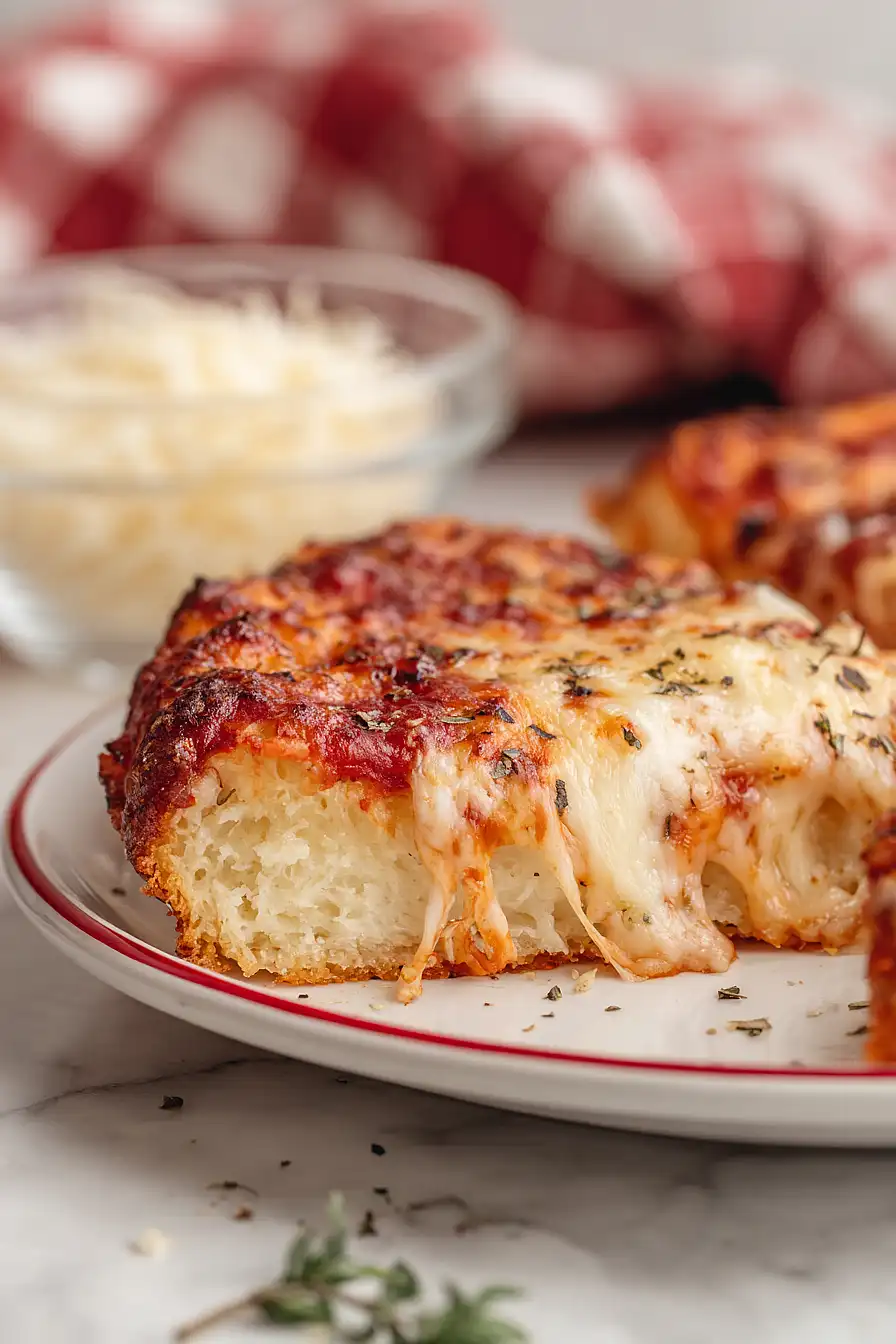
Options for Substitutions
This simple pizza crust is pretty forgiving, so here are some swaps you can make:
- Cottage cheese: This is the star of the crust, so I wouldn’t recommend substituting it. The cottage cheese gives the crust its unique texture and protein boost. If you absolutely need to swap it, ricotta cheese might work, but the texture will be different and you may need to drain excess liquid first.
- All-purpose flour: You can use whole wheat flour for a nuttier flavor and extra fiber, though the crust will be a bit denser. For a gluten-free option, try a 1-to-1 gluten-free flour blend, but note that the texture might be slightly different.
- Baking powder: If you’re out of baking powder, you can make your own by mixing 1/2 teaspoon baking soda with 1 teaspoon cream of tartar.
- Pizza sauce: Feel free to use marinara sauce, pesto, white sauce, or even barbecue sauce depending on what kind of pizza you’re making.
- Cheese: Mozzarella is classic, but you can use whatever melting cheese you have – cheddar, provolone, gouda, or a blend all work great.
Watch Out for These Mistakes While Baking
The biggest mistake people make with cottage cheese pizza crust is not blending the cottage cheese completely smooth – any lumps will create an uneven texture and prevent the dough from holding together properly.
Another common error is skipping the parchment paper greasing step, which leads to the crust sticking to the pan and tearing when you try to remove it, so make sure to use plenty of cooking spray or oil.
Don’t overwork the dough when combining the cottage cheese with the flour mixture – stir just until it comes together, as overmixing develops too much gluten and makes the crust tough instead of light.
Finally, watch your crust closely during the broiling step since it can go from perfectly melted to burnt in seconds, and consider placing your oven rack in the middle position rather than too close to the broiler.
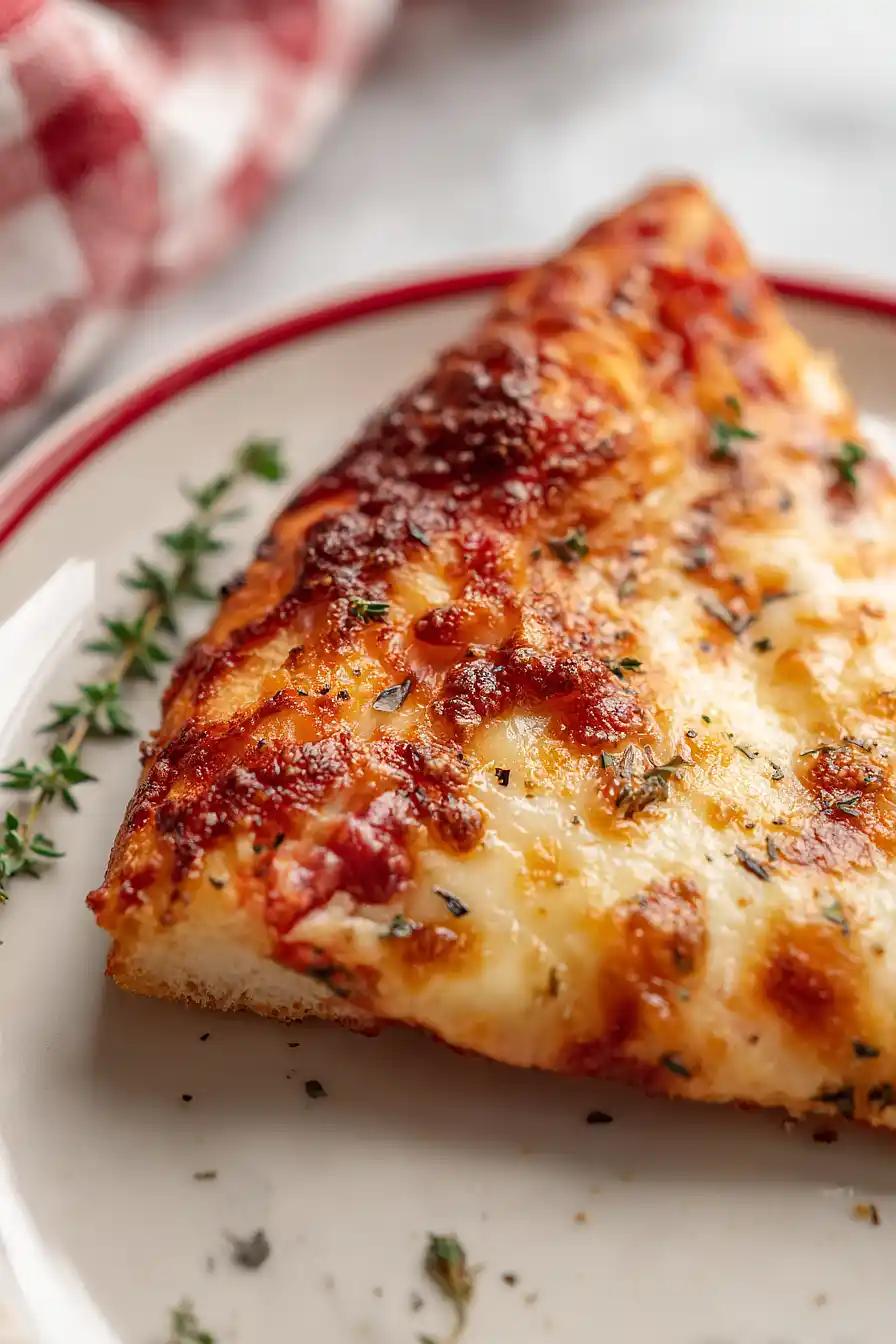
What to Serve With Cottage Cheese Pizza Crust?
Since this pizza crust is lighter and higher in protein than regular pizza dough, I like pairing it with a fresh side salad to keep the meal balanced. A simple arugula salad with cherry tomatoes, olive oil, and a squeeze of lemon works perfectly and doesn’t weigh you down. If you’re feeding a crowd, garlic knots or breadsticks are always a hit on the side, and you can serve them with marinara for dipping. For a complete meal, roasted vegetables like zucchini, bell peppers, or broccoli make a great addition and complement the pizza flavors nicely.
Storage Instructions
Store: Leftover pizza keeps well in the fridge for about 3 days. Just wrap each slice in foil or stack them in an airtight container with parchment paper between the slices. The crust might soften a bit in the fridge, but it still tastes great!
Freeze: You can freeze the baked pizza for up to 2 months. Let it cool completely, then wrap individual slices tightly in plastic wrap and place them in a freezer bag. I like to freeze slices separately so I can grab just what I need for a quick meal.
Reheat: For the best texture, reheat your pizza in the oven at 375°F for about 8-10 minutes until the cheese is bubbly again. If you’re short on time, the microwave works too, but the crust won’t be as crispy. A quick trick is to microwave it for 30 seconds, then finish it in a hot skillet for a minute to crisp up the bottom.
| Preparation Time | 10-15 minutes |
| Cooking Time | 15-20 minutes |
| Total Time | 25-35 minutes |
| Level of Difficulty | Easy |
| Servings | 2 servings |
Estimated Nutrition
Estimated nutrition for the whole recipe (without optional ingredients):
- Calories: 700-800
- Protein: 35-45 g
- Fat: 20-28 g
- Carbohydrates: 85-100 g
Ingredients
For the dough:
- 1.25 cups cottage cheese (I prefer Good Culture for a thicker consistency)
- 1.2 cups flour (I always use King Arthur all-purpose flour)
- 1 tsp baking powder
- 1/4 teaspoon salt
For the toppings:
- 1/4 cup pizza sauce (I like Rao’s for the best homemade flavor)
- 1/2 cup cheese
- assorted toppings
Step 1: Prepare Equipment and Blend Cottage Cheese
- 1.25 cups cottage cheese
- Parchment paper and oil for the baking sheet
Preheat your oven to 450°F and line a baking sheet with parchment paper, lightly greasing the parchment.
While the oven heats, add the cottage cheese to a blender or food processor and blend until completely smooth with no visible curds—this step is crucial because it creates a uniform dough texture and helps the crust bind together properly.
Step 2: Mix Dry Ingredients and Form Dough
- 1.2 cups flour
- 1 tsp baking powder
- 1/4 teaspoon salt
- blended cottage cheese from Step 1
In a medium bowl, whisk together the flour, baking powder, and salt.
Add the blended cottage cheese from Step 1 and stir until a shaggy dough forms—don’t overmix, just combine until everything comes together.
The dough will be slightly sticky and wetter than traditional pizza dough, which is exactly what you want.
Step 3: Shape and Pre-Bake the Crust
- dough from Step 2
Transfer the dough to your prepared parchment-lined baking sheet.
Using your hands or a spatula, gently press and flatten the dough into a 12-inch circle, creating an even thickness throughout—I find it helps to lightly oil your hands first so the dough doesn’t stick as much.
Bake for 10-12 minutes until the crust is set and lightly golden around the edges.
This pre-baking step ensures the crust is fully cooked and won’t be soggy when you add toppings.
Step 4: Top and Finish the Pizza
- pre-baked crust from Step 3
- 1/4 cup pizza sauce
- 1/2 cup cheese
- assorted toppings
Remove the pre-baked crust from the oven and spread the pizza sauce evenly over the surface, leaving a small border around the edges.
Sprinkle the cheese and your desired assorted toppings over the sauce.
Return the pizza to the oven and broil for 1-2 minutes, watching carefully to prevent burning, until the cheese melts and the toppings are heated through.
Perfect 3-Ingredient Cottage Cheese Pizza Crust
Ingredients
For the dough
- 1.25 cups cottage cheese (I prefer Good Culture for a thicker consistency)
- 1.2 cups flour (I always use King Arthur all-purpose flour)
- 1 tsp baking powder
- 1/4 teaspoon salt
For the toppings
- 1/4 cup pizza sauce (I like Rao's for the best homemade flavor)
- 1/2 cup cheese
- assorted toppings
Instructions
- Preheat your oven to 450°F and line a baking sheet with parchment paper, lightly greasing the parchment. While the oven heats, add the cottage cheese to a blender or food processor and blend until completely smooth with no visible curds—this step is crucial because it creates a uniform dough texture and helps the crust bind together properly.
- In a medium bowl, whisk together the flour, baking powder, and salt. Add the blended cottage cheese from Step 1 and stir until a shaggy dough forms—don't overmix, just combine until everything comes together. The dough will be slightly sticky and wetter than traditional pizza dough, which is exactly what you want.
- Transfer the dough to your prepared parchment-lined baking sheet. Using your hands or a spatula, gently press and flatten the dough into a 12-inch circle, creating an even thickness throughout—I find it helps to lightly oil your hands first so the dough doesn't stick as much. Bake for 10-12 minutes until the crust is set and lightly golden around the edges. This pre-baking step ensures the crust is fully cooked and won't be soggy when you add toppings.
- Remove the pre-baked crust from the oven and spread the pizza sauce evenly over the surface, leaving a small border around the edges. Sprinkle the cheese and your desired assorted toppings over the sauce. Return the pizza to the oven and broil for 1-2 minutes, watching carefully to prevent burning, until the cheese melts and the toppings are heated through.