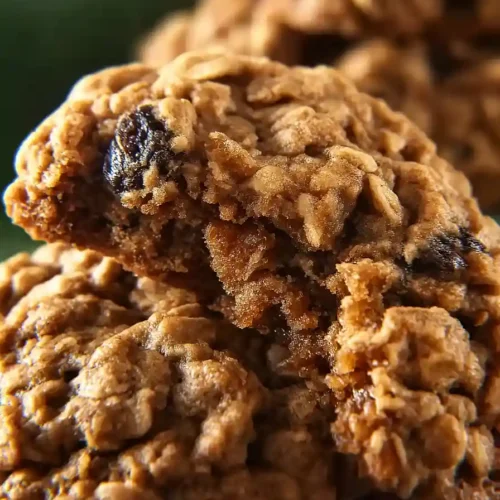
30-Minute Oatmeal Molasses Raisin Cookies
Delicious 30-Minute Oatmeal Molasses Raisin Cookies recipe with step-by-step instructions.
Ingredients
- 1.75 cups all-purpose flour (I use King Arthur all-purpose flour)
- 1/2 tsp salt
- 1/2 tsp cinnamon (freshly ground preferred for more flavor)
- 1 tsp baking powder
- 1.25 cups sugar
- 1/2 cup salted butter (softened to room temperature)
- 1 cup raisins (plump and moist for best texture)
- 1 tsp baking soda
- 6 tbsp molasses (I use Grandpa's molasses)
- 2 large eggs (room temperature)
- 2.5 cups old-fashioned oats
Instructions
- Start by preheating your oven to 350°F and preparing your baking sheets with parchment paper or silicone mats. While the oven heats, measure out all your dry ingredients—flour, salt, cinnamon, baking powder, and baking soda—into a small bowl and whisk them together to distribute the leavening agents evenly. This ensures your cookies will rise uniformly. Measure your oats and raisins into separate bowls. I always use plump, moist raisins because they stay tender in the baked cookie rather than turning hard and chewy.
- In a large mixing bowl, beat the softened butter and sugar together for 2-3 minutes until the mixture is pale, fluffy, and smooth. This creaming process incorporates air into the dough, which helps the cookies spread and bake evenly. The texture should look almost like frosting when it's ready. This is the foundation of your cookie structure, so don't skip this step.
- Add your room-temperature eggs one at a time to the creamed butter and sugar, beating well after each addition to fully incorporate. Then add the molasses and mix until the wet ingredients are completely combined and smooth. The molasses adds deep, complex sweetness and helps keep these cookies moist. I prefer Grandpa's molasses for its rich flavor, but any unsulfured molasses works well here.
- Add the dry ingredient mixture from Step 1 to the wet ingredients and stir until just combined. Don't overmix at this stage—you want a cohesive dough but not one that's been overworked, which can make cookies tough. Stop mixing as soon as you don't see streaks of flour.
- Gently fold the oats and raisins into the dough using a spatula or wooden spoon, stirring until they're evenly distributed throughout. The dough should be thick and chunky. If your dough seems too wet or sticky, refrigerate it for 15-20 minutes before scooping—this makes handling much easier and helps the cookies hold their shape.
- Scoop the dough into 1- to 1.5-inch balls and place them about 2 inches apart on your prepared baking sheets. Bake at 350°F for 12-15 minutes, watching for the edges to turn golden brown while the centers still look slightly underbaked. The cookies will continue to cook on the hot sheet after you remove them from the oven, so don't overbake or they'll become hard.
- Let the cookies rest on the baking sheet for 5 minutes—this allows them to set up just enough to handle without breaking apart. Then transfer them to a wire cooling rack and let them cool for another 10 minutes before eating. This resting period is crucial because it lets the structure set properly, ensuring your cookies stay chewy in the center with crispy edges.